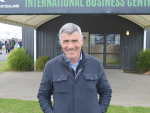
India FTA Removes 33% Tariff on NZ Sheepmeat
New Zealand’s red meat sector has welcomed the India-New Zealand Free Trade Agreement taking effect, which removes India’s 33% tariff on New Zealand sheepmeat.




 increase font size

THE MINISTRY for Primary Industries has lifted its controls on the movement of fruit and vegetables in Whangarei after no further Queensland fruit fly were found in the areas.
Primary Industries Minister Nathan Guy has thanked the Whangarei people for their cooperation over the last two weeks in responding to the find of a single male Queensland fruit fly.
"It's very pleasing that no other fruit fly has been found and that this appears to be a solitary insect," he says. "This detection is a very rare event and shows we have a high performing biosecurity system."
Controls put in place by the Ministry for Primary Industries (MPI) restricting the movement of fruit and some vegetables have now been lifted.
"Agencies involved in the response have done an excellent job of communicating with local people and searching carefully for any signs of further fruit flies. This has involved extra trapping and fruit collection through the temporary laboratory," he says. "As with any major operation, MPI will look back and consider any learnings that could further enhance our systems."
MPI deputy director general, compliance and response, Andrew Coleman, says this marks the two weeks of trapping, fruit sampling and testing for the presence of the Queensland fruit fly is completed.
"We have received our final results from trapping and fruit examination and our rigorous checks found no further sign of the fruit fly in the Whangarei area. New Zealand's fruit fly-free status remains intact, as it has throughout this response. There is no longer any need for residents in the area to be restricted in their movements of produce."
A fortnight ago the Ministry put in place a 1.5 km diameter Controlled Area around where a single male Queensland fruit fly was found in a surveillance trap in the suburb of Parihaka. Residents were asked not to move whole fresh fruit or vegetables outside of this zone, which took in Parihaka, Riverside and parts of central Whangarei.
The move was precautionary while MPI carried out intensive checks for any further flies. Had a population been found, the controls in place would have prevented any spread of the pest fly out of the area.
Coleman says while the controls are lifted, this does not signal the end of work in the area.
"MPI will continue with its routine fruit fly surveillance programme, with an additional 33 traps left in high-risk locations such as near landfills and industrial areas."
Should local residents find anything of concern, particularly insects or larvae in fruit, they should contact MPI's Pests and Diseases Hotline – 0800 80 99 66.
New Zealand’s red meat sector has welcomed the India-New Zealand Free Trade Agreement taking effect, which removes India’s 33% tariff on New Zealand sheepmeat.
New Zealand's role is not to compete with Indian growers, according to NZ Apples and Pears.
The red meat sector is in great heart.
Blueberries have the potential to become a major horticultural export, earning up to $150 million within the next three to five years.
As expected, the US has launched a safeguard investigation into lamb imports, a move that could impact New Zealand sheepmeat returns.


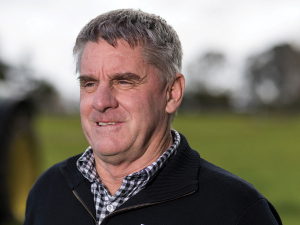
Federated Farmers has welcomed new rural policies released by ACT, saying they align closely with its own election priorities.

Rural Contractors NZ says proposed changes to land transport rules for agricultural vehicles are a welcome response by the Government to out of date regulations which have seen members hit with huge fines.
Alliance is calling for final applications for its 2027 Graduate Programme, with applications closing on Sunday 25 October.
Decades piloting planes has ensured vet and farmer David Hayes is focused on safety. So, after a serious accident while welding on farm, he is sharing his experience so others can learn from it.
Canterbury milk processor, Synlait Milk has confirmed Leon Fung as its chief executive officer.
OPINION: Making it easier to collect rainwater and use it to grow crops and livestock is a no brainer.



OPINION: The same mainstream media muppets that brought you Jacindamania in 2017 have been flat out pimping for the Opportunities…
OPINION: Your old mate reckons the atrocious way farmers in the UK are treated by their lords and masters in…




