Wools of New Zealand Calls for India FTA to Boost Farmer Returns
Wools of New Zealand is joining calls for New Zealand to urgently ratify a Free Trade Agreement with India.




 increase font size
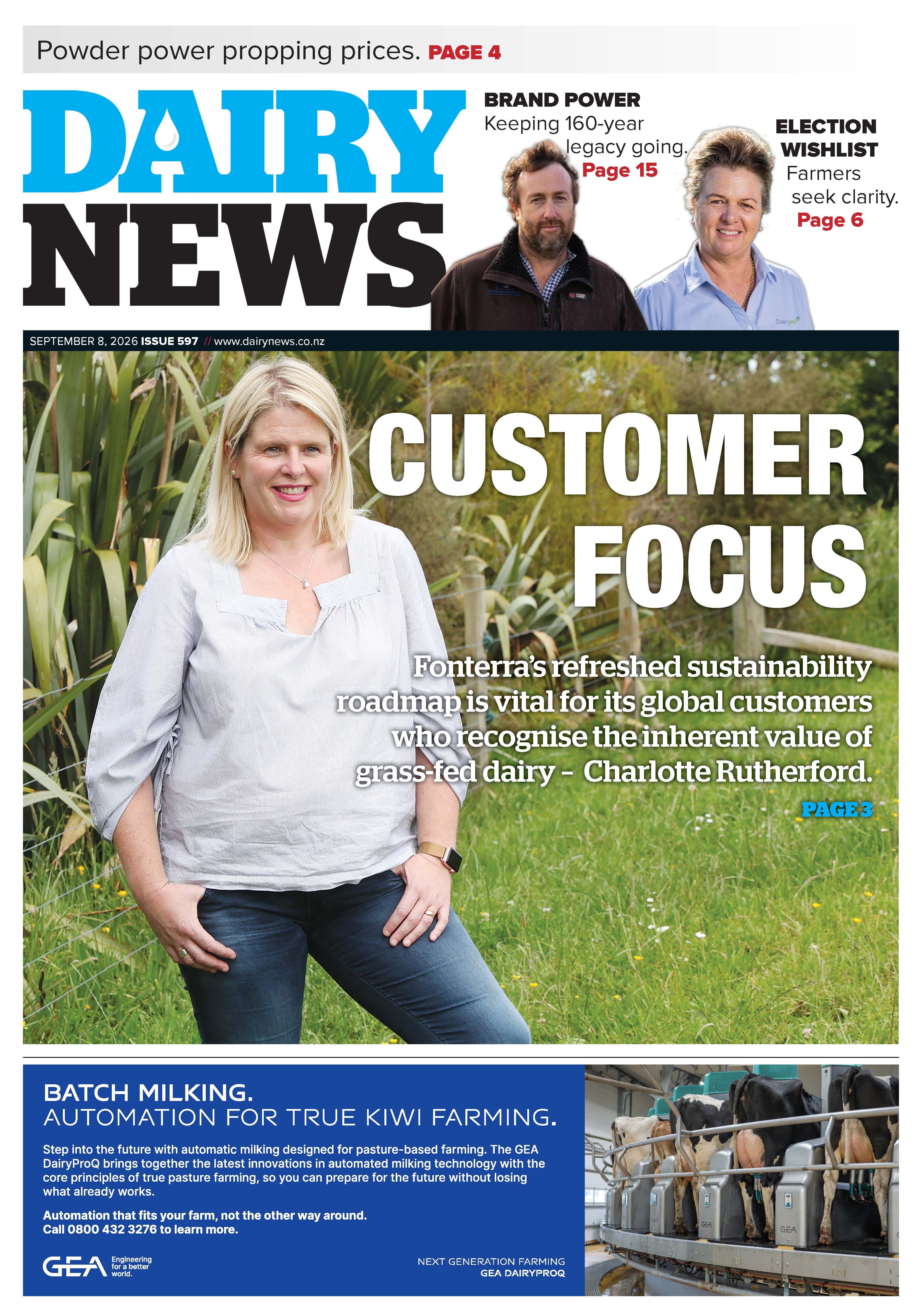
 Wools of New Zealand former chief executive Ross Townshend.
Wools of New Zealand (WNZ) has posted its first after-tax profit of $1.48 million for the year ending June 2016, but former chief executive Ross Townshend is keeping up the pressure.
The company’s maiden profit results from a 16% improvement in wool sales, helping lift revenues past $30m for the first time -- to $31.5m, the company says.
Operating profit increased to $681,000, a turnaround of $1.16m from the previous year’s loss of $493,000.
The company sold 5.5 million kg of shareholders’ wool during the year, reflected in an increase in Wool Market Development Commitment (WMDC) income to $2.6m, from $2.2m in 2015.
Commenting on the WMDC, chairman Mark Shadbolt says “at the time of our capital raising in 2012 the WMDC was critical to driving our marketing initiatives and investments. By 2014 we’d reduced our reliance to 20% of revenue and this year this has fallen to 8%, in spite of the WMDC’s increase in real terms.”
But Townsend says the claimed net operating profit includes $2.6m of WMDC “donation”.
“So without that – or in real terms – this is a $2m loss, not a profit. When WMDC runs out mid-2018, WNZ will be broke,” says Townshend who is a shareholder and former chief executive of the organisation.
“The directors need a Plan B, as I stated recently.”
Wools of New Zealand is joining calls for New Zealand to urgently ratify a Free Trade Agreement with India.
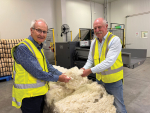
Keratin biomaterials company Keraplast and Wools of New Zealand have signed a new superpremium wool contract which is said to deliver a boost to wool growers.
Wool farmers are hoping that efforts by two leading companies to develop a more efficient supply chain would eventually boost farmgate returns.
Wools of New Zealand has signed a partnership agreement with a leading Chinese manufacturer as the company looks to further grow demand in China and globally.
Chinese textile company Saibosi has partnered with Wools of New Zealand to put the 'farm to floor' story of New Zealand wool rugs on screen for its customers.


Farmer-owned fertiliser company, Ballance Agri Nutrients is welcoming National’s plan to negotiate security agreements with key supplier countries to protect New Zealand-bound products from export restrictions and greater supply chain certainty.

Carrfields has announced the appointment of Stu Hall to the newly created role of chief operating officer, Carrfields Ltd, reflecting the continued growth of their agribusinesses and the need to ensure the company has the leadership capacity and support in place as it pursues the emerging opportunities ahead.
New Zealand's role is not to compete with Indian growers, according to NZ Apples and Pears.
The potato industry is celebrating the success of two rising stars - James Blair, the 2026 Young Grower of the Year and runner-up and innovation award winner, Amber Davy.
Twenty-eight emerging leaders from across the horticulture sector spent two days last month learning valuable skills and connecting with industry experts.
There are five entrants in this year’s Young Horticulturist of the Year, competing in a series of technical, practical, business and leadership challenges.





OPINION: The same mainstream media muppets that brought you Jacindamania in 2017 have been flat out pimping for the Opportunities…
OPINION: Your old mate reckons the atrocious way farmers in the UK are treated by their lords and masters in…