Wednesday, 12 February 2025 08:55

FE survey underway

Written by  Peter Burke
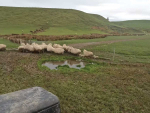
A new survey will shed light on the financial toll of facial eczema (FE) at the farm level. A new survey will shed light on the financial toll of facial eczema (FE) at the farm level.

Beef + Lamb NZ wants farmers to complete a survey that will shed light on the financial toll of facial eczema (FE) at the farm level.

They say this critical research will inform solutions as part of the multi-sector “Eliminating Facial Eczema Impacts” (EFEI) programme.

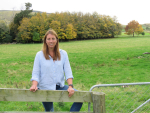
Becky Dymond, senior advisor farmer engagement at B+LNZ, says FE costs the New Zealand livestock industry an estimated $332 million annually but says the true impact on individual farms - the decisions, sacrifices, and challenges - remains unclear.

“Whether you’ve experienced FE firsthand or not, your input is vital to help researchers understand the broader economic and operational effects,” she says.

Dymond says the results of the survey will help researchers quantify the financial impacts of FE across different farming systems and regions, and contribute to the development of support strategies and tools to reduce the financial challenges caused by FE.

She says B+LNZ understands that farmers are incredibly busy and already have a lot on their plates, but says the survey will take just 15 to 20 minutes to complete.

Dymond says the information they want to get from the survey will focus on financial and management data, such as approximate revenue, animal health expenses and stock class numbers. She says farmers’ privacy is their top priority. Data will remain completely anonymous and will only be used for EFEI research, presented in summary form to ensure individual confidentiality.

“This survey is a crucial opportunity to make your voice heard and help us design solutions that genuinely make a difference for you and your business.

“By sharing your experience, you’re contributing to tools and strategies that will help strengthen the resilience of our farming communities and businesses for years to come,” she says.

For those who complete the survey, there is a potential reward. All participants who complete the survey by 28 February, 2025 will go into the draw to win one of two $250 Greenlea Meats vouchers.

The Eliminating Facial Eczema Impacts programme is jointly funded by B+LNZ, the Government through the Ministry for Primary Industries Sustainable Food and Fibre Futures fund and other primary sector companies and levy bodies.


More like this

Three Pillars of BVD Control

Solid biosecurity practices, regular monitoring and timely vaccination are the three key pillars of effective Bovine Viral Diarrhoea (BVD) control on New Zealand farms. Zoetis veterinary technical advisor, Karley DeFrees, explains BVD is a costly but preventative disease that impacts a significant number of dairy farms in New Zealand. Implementation of a BVD control plan can help protect your herd from this avoidable disease.

Clostridial Disease in Lambs: NZ Vaccination Guide

Although preventable, lamb loss from clostridial diseases during the first year of life on New Zealand hill country farms continues to be an issue. A field trial, where lambs were vaccinated at docking and weaning, demonstrated that vaccination was highly effective, lowering clostridial deaths by 23%. Zoetis veterinarian Dr Victoria Chapman unpacks the importance of robust animal health programmes, vaccination timing and the potential harmful consequences for stock when vaccination isn't given.

BVD Control in Dairy Herds: How to Find & Remove PI Animals

Bovine Viral Diarrhoea (BVD) is estimated to cost New Zealand's dairy and beef industries more than $150 million every year, yet many of the tools needed to control it are already well understood. After more than 25 years in veterinary practice, Andrew Weir, animal health technical specialist at LIC, has seen firsthand the impact BVD can have on herd performance. We asked him about the role of persistently infected (PI) animals and the practical steps farmers can take to reduce their risk.

Transition Period: The Make-or-Break Window for Dairy Cows

The transition period is the make-or-break window for your entire season. If this period is poorly managed, you don't just see a few downer cows, you see a downward spiral that affects the cow's health, production and reproduction long into the season.

Featured

Sharemilkers Credit DairyBase Tool for Staffing Decisions

Signing up to a benchmarking tool is not about competition, but about improving collectively, says Ximena Puig and Alvaro Luzardo who are 50-50 sharemilkers at a 164-hectare (effective) dairy farm in Eketāhuna in the Lower North Island.

National

Machinery & Products


» Latest Print Issues Online

The Hound

True Reflection?

A fair question has been raised about how member-funded organisations should conduct themselves when taking a public position on any…

Civil Circus!

OPINION: It really is getting harder to lampoon government bureaucrats when they do such a good job of it themselves.…

» Connect with Rural News

» eNewsletter

Subscribe to our weekly newsletter