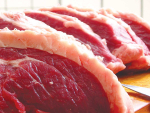
Editorial: No Small Challenge
OPINION: There could hardly be a more appropriate theme for a conference than the one chosen by the red meat sector - Navigating Volatility.




 increase font size
 Mike Petersen.
The virtual collapse of the international food service sector may have an adverse effect of some exports of New Zealand meat.
According to the country’s former Special Trade Envoy, Mike Petersen, it will be a long time before the food service sector bounces back. He told Rural News that that a lot of NZ companies have been rightly chasing high-value markets with a focus on the food service sector.
“I believe there will be a lot of casualties in that space in the international markets, ranging from master importers, who are supplying restaurants and cafes, through to retail customers themselves,” Petersen says.
“The collapse of the food servicing sector will really hurt and the fact that we are heading into the holiday season in the northern hemisphere where there won’t be a tourist season this year is going to make demand quite subdued.”
Petersen says two of the casualties – in terms of product – are likely to be venison and premium cuts of lamb, which tend to go into the fine dining restaurants and cafes. He says the high-priced cuts are going to be challenging to sell.
However, he says on the positive side lower priced meats will likely come through the COVID-19 crisis well. He points to the example of beef and says because it is seen as a comfort food, prices could potentially rise.
“People will be looking for the likes of hamburgers, takeaways and meat that can easily be cooked at home.”
Petersen says given the chaos in the US market, there may be some short-term opportunities for gaps to be filled by NZ meat, while processing plants there are closed due to COVID. He says there are also promising signs in China as that market opens up.
Petersen says the outlook for apples and kiwifruit also looks good as consumers seek healthy foods. He also acknowledges though that dairy prices, especially for high value consumer products, may be down.
“My big concern remains what will happen in the light of the collapse of the food service sector around the world and what impact that may have on NZ in the coming season,” he says.
OPINION: There could hardly be a more appropriate theme for a conference than the one chosen by the red meat sector - Navigating Volatility.
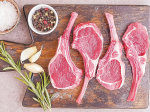
New Zealand's red meat and fifth-quarter exports reached $867 million in August, up 23% on the same month last year, as stronger returns lifted earnings across all major markets.
Meat Industry Association data, released alongside the Red Meat Sector conference in Wellington, shows export value climbing across the US, China, UK and Canada.
OPINION: The stats speak for themselves.
New Zealand consumers are paying more for beef mince than ever before, with the average retail price now sitting above $24 per kilogram, according to Rabobank.


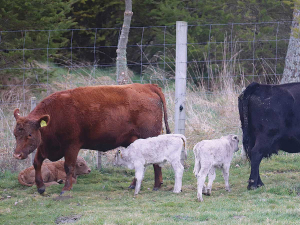
A major move is about to get underway to improve the quality and viability of dairy beef and cattle in NZ.
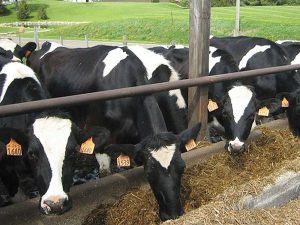
Veterinarians say changes to the code of welfare for dairy cattle provides a positive foundation for improved cattle welfare across the country.
Today, 15 October, is the International Day of Rural Women, which recognises rural women’s contribution to farming, communities and the environment.
Global dairy giant Lactalis has integrated its Australian operations with the Mainland Dairy consumer business it acquired from Fonterra earlier this year.
After almost two decades of sharemilking, saving and building equity, Aaron and Marcia Flay this year realised their long-held dream of settling on their first dairy farm.
Good medium to long term prospects for NZ beef, especially in the US, has heighted the focus on various initiatives to capitalise on this situation.





OPINION: The same mainstream media muppets that brought you Jacindamania in 2017 have been flat out pimping for the Opportunities…
OPINION: Your old mate reckons the atrocious way farmers in the UK are treated by their lords and masters in…




