NZ Red Meat Sector Disappointed as US Lamb Probe Advances
New Zealand's red meat sector says it is disappointed that the United States' investigation into lamb imports will move to its next phase.




 increase font size
 Alliance's plants have seen a 50% reduction in ovine capacity and a 30% reduction in bovine capacity.
Meat processor Alliance is warning farmers to brace for a drop in prices for their lamb and cattle.
In an email to farmers last night, Alliance chief executive David Surveyor says the COVID-19 situation remains challenging for the co-op and wider meat processing industry.
The co-op’s plants have resumed processing under the new rules and restrictions set by the Government but with reduced capacity: 50% reduction in ovine capacity and a 30% reduction in bovine capacity. There is no impact on cervine capacity.
“This means a new way of working for our people and we will look to increase capacity as we learn how to optimise the operational constraints created by Alert Level 4,” he says.
“This is likely to be common across the industry. We are, as always, prioritising livestock from Platinum and Gold shareholders.”
Surveyor told farmers that the pricing volatility and the changed operational run modes for its plants means the co-op is significantly less efficient as a result of COVID-19.
“Although we are holding the livestock schedule this week, it is likely to cause downward movement in prices.
“We will do our best to minimise the extent of this, but it is unlikely we will be able to absorb the full impact.”
The co-op is asking farmers to hold back stock until capacity steps back up.
“From a farmer perspective, we know you will be considering what this means about timeframes for when your animals will be processed, and we will be providing you with clarity on this going forward,” Surveyor says.
“We are asking that farmers who are in a position to do so, prepare for holding stock for longer periods until the capacity steps back up. We would also appreciate it if farmers can let their livestock representative know, so we can prioritise those farmers facing drier conditions on farm.”
New Zealand's red meat sector says it is disappointed that the United States' investigation into lamb imports will move to its next phase.

With the red meat sector going through a boom time with high prices, the time is right for the industry to step up its investment into developing new food products.
Alliance is calling for final applications for its 2027 Graduate Programme, with applications closing on Sunday 25 October.
Alliance Group has confirmed that eligible farmer-shareholders who supply and continue to back the business will receive up to $20 million later this year, following the strategic investment partnership with Dawn Meats.
OPINION: There could hardly be a more appropriate theme for a conference than the one chosen by the red meat sector - Navigating Volatility.

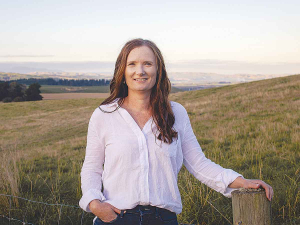
Farmlands shareholder and Waitaki Valley sheep and deer farmer, Paige Wills says the co-operative’s board has “a considerable amount of work to do if they want to rebuild shareholder trust and confidence in their governance”.
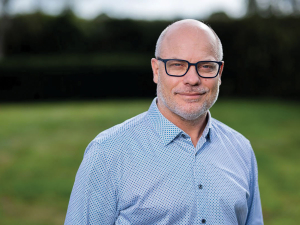
New analysis from DairyNZ highlights the growing importance of efficiency and cost control in maintaining profitability, with a widening gap between New Zealand’s highest and lowest performing dairy farms.
For eight-year-old Myra Smith, weeks of caring for and preparing her Red Holstein Friesian calf, Bell, have paid off, with the young Te Pahu handler taking home the Champion Dairy Type title at the recent Waikato A&P Show held at Claudelands.
A titan of the meat industry but a humble and generous guy.
In line with New Zealand’s strategy to open up new markets, the Ministry for Primary Industries (MPI) his extending its diplomatic footprint.
Demand for dairy products over the next two decades will increasingly be shaped by demographic shifts, rather than population growth alone.




OPINION: The same mainstream media muppets that brought you Jacindamania in 2017 have been flat out pimping for the Opportunities…
OPINION: Your old mate reckons the atrocious way farmers in the UK are treated by their lords and masters in…