Rural councils in Canterbury are launching a new speed campaign. The theme of the campaign is 'Country roads are not motorways' and it encourages people to slow down on rural roads.
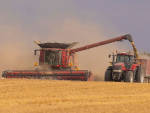
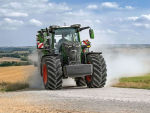
"Driving on country roads is very different to driving on State Highways," says Selwyn Road Safety coordinator Ngaire Tinning. "Country roads are narrower, have more corners and less road marking. Some country roads are gravel and many roads have activities like stock crossing or horse riding occurring on them, or slower vehicles like tractors use them."
An increase in traffic volumes on State Highways has been mirrored on local roads. Crashes where the driver has loss of control or had been driving too fast for the conditions are common in Canterbury and throughout New Zealand.
Between 2009 and 2013 there were 187 crashes in Selwyn District where speed, or driving too fast for the conditions, were a contributing factor. These crashes contributed to eight fatalities, and 33 serious injuries. 86% of all speed related crashes during this period were on the open road.
"Drivers using rural roads need to ensure their speed matches the driving conditions and the type of road they are on," says Tinning.
"For example when driving on a gravel road or a back road where visibility may be poor and there could be stock or farmers on the road, drivers will need to travel at less than speed limit for their own safety and that of other road users."
The road safety campaign will include radio and print ads in local papers over the next couple of months. A new Facebook page, 'Is 100k OK?,' has also been created.
"We would like to encourage people to share information about safe driving on rural roads with other motorists on the Facebook page to help improve road safety.
People can participate by visiting www.facebook.com/is100kOK and sharing photos or comments about rural roads you drive more slowly on with others, so that they can learn from your advice."