Editorial: No Small Challenge
OPINION: There could hardly be a more appropriate theme for a conference than the one chosen by the red meat sector - Navigating Volatility.




 increase font size
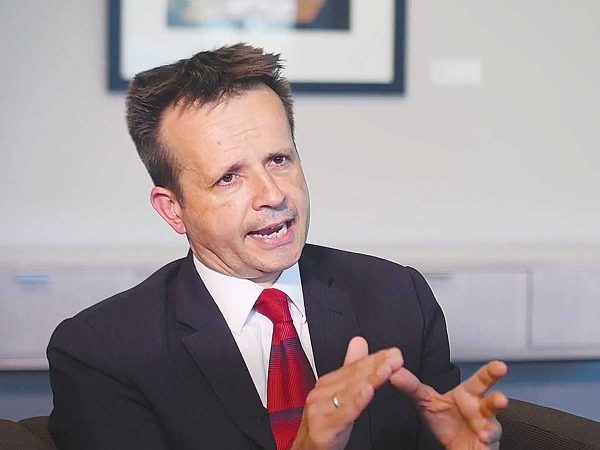 Ministry of Foreign Affairs and Trade deputy secretary Vangelis Vitalis says MFAT is ramping up its engagement and lobbying.
Trade experts are warning that time is running out to secure the future of New Zealand red meat exports to the European Union.
With the NZ Government rejecting a proposal to split the current quotas between the EU and the UK, talks are continuing with urgency between the three parties.
Trade consultant Stephen Jacobi told Rural News that time is certainly running out to do a deal before the end of year.
“The risk of commercial disruption to our trade in Europe is growing.
“Even if no satisfactory deal is reached before the end of the year we will need to continue to seek redress next year.
“It’s worth bearing in mind too that other trading partners are also affected by this action on the part of the EU and the UK.”
In 2019, NZ exported $800 million worth of sheepmeat to the EU under an annual quota of 225,000 tonnes as part of a deal signed in 1995. NZ also holds quotas for beef and dairy exports.
The UK is no longer a member of the EU and rules for the new UK-EU relationship, including trade, starts on January 1, 2021. The NZ Government hopes to have an agreement in place with both London and Brussels by then.
Ministry of Foreign Affairs and Trade deputy secretary Vangelis Vitalis told a recent Beef+Lamb NZ seminar that the issue is preoccupying his team.
“We are continuing to work with colleagues in Brussels and London,” Vitalis told the webinar.
He points out that the legal rights around quotas were negotiated in good faith and any changes will require NZ’s agreement.
“At the moment we don’t agree with what London and Brussels are pursuing,” he says.
The EU and UK are proposing a split quota, which is strongly opposed by NZ. Jacobi says a split is unacceptable and calls into question the legality of the agreement reached between NZ and the EU in the Uruguay Round.
“The matter is already before the WTO. If we can’t get satisfaction there is the option to take this to dispute settlement. Thankfully the EU has subscribed to the ‘Multi-party interim appeal arbitration arrangement’ (MPIA) in the WTO.”
Vitalis says NZ is asking urgent questions.
“The clock is ticking down on the transition period and we are ramping up our engagement and lobbying.”
OPINION: There could hardly be a more appropriate theme for a conference than the one chosen by the red meat sector - Navigating Volatility.
New Zealand's red meat and fifth-quarter exports reached $867 million in August, up 23% on the same month last year, as stronger returns lifted earnings across all major markets.
Meat Industry Association data, released alongside the Red Meat Sector conference in Wellington, shows export value climbing across the US, China, UK and Canada.
New Zealand consumers are paying more for beef mince than ever before, with the average retail price now sitting above $24 per kilogram, according to Rabobank.
After delivering a strong financial year, rural trader PGG Wrightson says the coming months will depend on customer confidence and weather.


Farmer-owned fertiliser company, Ballance Agri Nutrients is welcoming National’s plan to negotiate security agreements with key supplier countries to protect New Zealand-bound products from export restrictions and greater supply chain certainty.

Carrfields has announced the appointment of Stu Hall to the newly created role of chief operating officer, Carrfields Ltd, reflecting the continued growth of their agribusinesses and the need to ensure the company has the leadership capacity and support in place as it pursues the emerging opportunities ahead.
New Zealand's role is not to compete with Indian growers, according to NZ Apples and Pears.
The potato industry is celebrating the success of two rising stars - James Blair, the 2026 Young Grower of the Year and runner-up and innovation award winner, Amber Davy.
Twenty-eight emerging leaders from across the horticulture sector spent two days last month learning valuable skills and connecting with industry experts.
There are five entrants in this year’s Young Horticulturist of the Year, competing in a series of technical, practical, business and leadership challenges.





OPINION: The same mainstream media muppets that brought you Jacindamania in 2017 have been flat out pimping for the Opportunities…
OPINION: Your old mate reckons the atrocious way farmers in the UK are treated by their lords and masters in…