
Rural NZ Welcomes $8.5m Government Health Package
Rural New Zealand is welcoming the Government’s recent package of rural healthcare initiatives.




 increase font size
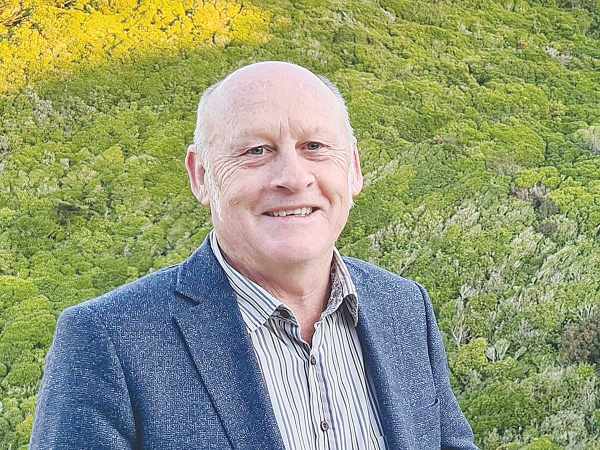 Hauora Taiwhenua Rural Health Network chief executive Dr Grant Davidson.
While healthcare itself got a $5.5 billion investment in Budget 2025, rural doctors are sounding the alarm about growing health inequities in rural New Zealand.
Hauora Taiwhenua Rural Health Network says that last week’s Budget announcement failed to acknowledge or invest in rural health.
“For a National-led Government, we would expect the word rural to appear somewhere in the health budget. Instead, rural New Zealand seems to have been sidelined once again,” says chief executive Dr Grant Davidson.
In the run up to the 2023 election, National made several promises that could have benefited health in rural New Zealand, including the establishment of a third medical school at the University of Waikato with a focus on rural general practice.
However, Rural Health Network points out that Budget 2025 featured no investment or plan for increasing rural medical placements through existing medical schools or by the establishment of the promised new school.
They say that this comes at a time when the rural health workforce is in crisis, struggling to meet the needs of growing, aging and often underserved populations.
“We looked forward to congratulating a Government on implementing long-term planning for the rural health workforce but have been sadly let down,” the organisation wrote in a statement released late last week.
They say that while the health budget itself has increased by 4.8% overall, that doesn’t cover increases to the cost of care nor does it cover population gains.
Rural Health Network says that it acknowledges the pre-Budget announcement of a Primary Care Action Plan, which includes funding for urgent and unplanned care initiatives.
However, the organisation also points out that there is little detail around that plan and no ring-fenced funding for implementing it in rural areas.
“Budget 2025 was an opportunity to demonstrate that rural Aotearoa matters,” Davidson says. “Instead, it sends a message that the promises made before the election are not being honoured.”
“Without urgent action, we risk further erosion of rural health services and deepening inequalities for the communities who already struggle most to access care,” he adds.
“We know that delivering healthcare in rural and remote areas comes with unique challenges and opportunities. Our members are ready to work with Government and Health New Zealand to co-design solutions that ensure rural communities receive equitable, high-quality care,” Davidson concludes.
Rural New Zealand is welcoming the Government’s recent package of rural healthcare initiatives.

OPINION: The Greens aren’t serious people when it comes to the economy, so let’s not spend too much on their fiscal fantasies.
A tax advisory specialist is hailing a 20% tax deduction to spur business asset purchases as a golden opportunity for agribusiness.
Rural Women New Zealand (RWNZ) says it is delighted by the Government’s announcement that it would invest $250,000 in the organisation.
OPINION: The Greens aren't serious people when it comes to the economy, so let's not spend too much on their fiscal fantasies.


Federated Farmers has welcomed new rural policies released by ACT, saying they align closely with its own election priorities.
Rural Contractors NZ says proposed changes to land transport rules for agricultural vehicles are a welcome response by the Government to out of date regulations which have seen members hit with huge fines.
Alliance is calling for final applications for its 2027 Graduate Programme, with applications closing on Sunday 25 October.
Decades piloting planes has ensured vet and farmer David Hayes is focused on safety. So, after a serious accident while welding on farm, he is sharing his experience so others can learn from it.
Canterbury milk processor, Synlait Milk has confirmed Leon Fung as its chief executive officer.
OPINION: Making it easier to collect rainwater and use it to grow crops and livestock is a no brainer.




OPINION: The same mainstream media muppets that brought you Jacindamania in 2017 have been flat out pimping for the Opportunities…
OPINION: Your old mate reckons the atrocious way farmers in the UK are treated by their lords and masters in…




