
Keep Your Food Safe This Festive Season: NZ Food Safety Tips
New Zealand Food Safety (NZFS) is reminding New Zealanders to keep food safety top of mind as they head into the festive season.




 increase font size
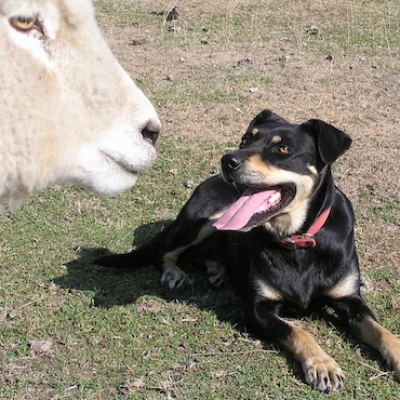 Dose dogs for sheep measles or leave them at home.
Now is the time for sheep farmers to start warning their Christmas visitors that dogs need to be dosed for sheep measles or be left behind says Dan Lynch, project manager of Ovis Management Ltd.
The Christmas holidays are a period when throughout the country many farms play host to visitors or family members, many with dogs.
Unless farmers know the sheep measles treatment status of the dogs an unpleasant surprise might be waiting for them in a few months when lambs going to processing show up with infection.
Lynch says that while the national prevalence for the past season remained low at 0.66% in line with the previous season, significant infection levels among lambs from a small number of suppliers has resulted in meat inspection staff condemning stock at processing.
One line of lambs had 155 infected with eight condemned while another line had 120 infected and 16 condemned.
While many farms are dosing dogs monthly and farms are tightening their on-farm biosecurity, maintaining downward pressure on this parasite, the influx of external dogs over the holiday period is a significant risk, which must be addressed before dogs arrive on farm, says Lynch.
“Sheep measles’ eggs spread in the wind and can survive 4-6 months on pasture so ask about dogs being treated now,” stresses Lynch.
Reducing the risk
New Zealand Food Safety (NZFS) is reminding New Zealanders to keep food safety top of mind as they head into the festive season.

Food insights platform Appetise.io has revealed what Kiwis are planning to put on their Christmas tables this year.
OPINION: As you sit down to read my column today, I trust all is well at your place.
Federated Farmers has launched a new campaign, swapping "The Twelve Days of Christmas" for "The Twelve Pests of Christmas" in an effort to highlight the most troublesome farm pests.
Farmers are being urged to keep on top of measures to control Cysticerus ovis - or sheep measles - following a spike in infection rates.



Waikato milk processor Tatua has again declared a record milk payout to farmer shareholders, leaving other processors in the dust.

A Labour-led Government won’t be bringing back the controversial freshwater rules of 2020.
National’s much-touted free trade deal with India featured in the Rural Issues Debate at Mystery Creek, Hamilton on Wednesday night.
New Zealand's 2026-27 freshwater fishing season has opened, with anglers encouraged to head to rivers and lakes over the coming days as conditions look favourable across much of the country.
Central Otago District Council (CODC) has voted against a plan to spread treated sewage sludge from Cromwell and Alexandra on farmland near Lauder, a decision Federated Farmers says reflects strong opposition from rural residents.
Pāmu has released its FY26 Integrated Annual Report, reporting a Net Operating Profit of $113 million, more than double the $49 million recorded in FY25.





OPINION: The same mainstream media muppets that brought you Jacindamania in 2017 have been flat out pimping for the Opportunities…
OPINION: Your old mate reckons the atrocious way farmers in the UK are treated by their lords and masters in…