Mark Cameron Steps Down, Reflects on Farmers' Voice
When Northland farmer Mark Cameron entered parliament six years ago, the Beehive was a lonely place.




 increase font size
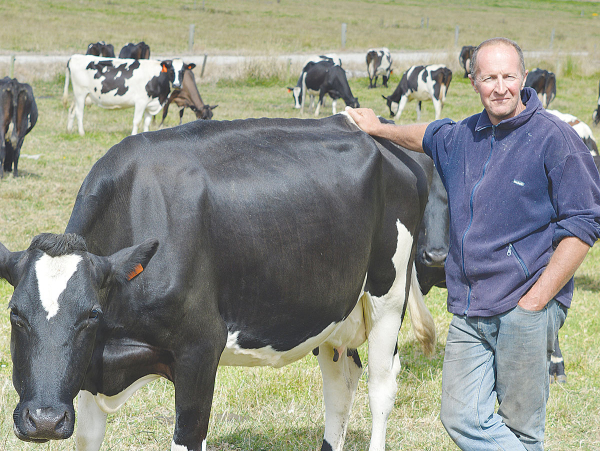 Parliament’s primary production select committee chair Mark Cameron is promising “better law making” for the farming sector.
The new chair of Parliament’s primary production select committee, Mark Cameron, is promising “better law making” for the sector.
“There will be quality law-making. We’ll be doing a cost/benefit analysis of every policy and if it doesn’t bring any benefit to farmers, we won’t support it,” he told Rural News.
Cameron says that in his new role he would also be asking challenging questions and holding the executive to account.
The Northland dairy farmer, a second-term ACT MP, is no stranger to the committee. In the previous Parliament he had served as a committee member.
Other members of the new committee are deputy chair Miles Anderson, along with Suze Redmayne and Catherine Wedd from National, Jo Luxton and Cushla Tangaere-Manuel from Labour and Steve Abel from the Greens.
Cameron’s appointment gives ACT its second high profile parliamentary role in the agriculture sector.
First-term ACT MP and former Federated Farmers president Andrew Hoggard is Minister for Biosecurity, Minister for Food Safety, Associate Minister of Agriculture (Animal Welfare, Skills) and Associate Minister for the Environment under ACT’s coalition deal with National.
The party says, between Hoggard and Cameron, it is wellplaced to ensure rural New Zealand has a strong voice both inside and outside the executive.
The new Parliament has a record number of farmers, most elected on the National ticket.
Cameron says he’s thrilled to see more rural sector representatives in Parliament and it augurs well for the rural sector as they will have a greater say in the decision-making process.
“In the previous Parliament, we spent more time explaining ideas rather than debating issues,” he says.
“With more farmers involved in the select committee, the rural sector will have a bigger say in the process moving forward. This will ensure more feasible outcomes for farmers.”
Cameron, who has been a dairy farmer for 30 years, says they will work together to help farmers rather than hinder them.
When Northland farmer Mark Cameron entered parliament six years ago, the Beehive was a lonely place.
Retiring MP and dairy farmer Mark Cameron is blasting the Green Party for proposing to ban the use of synthetic fertiliser and cutting cow numbers.
The ACT Party says media reports that global dairy giant Nestle has withdrawn from the Dairy Methane Action Alliance shows why New Zealand needs to rethink its approach to climate.
OPINION: Is the Government's taxonomy proposal dead in the water?
OPINION: ACT MP Mark Cameron isn’t everyone’s cup of tea, but he certainly calls it how he sees it, holding nothing back when ‘climate scientists’ had a crack at Kiwi farmers recently:


Federated Farmers has welcomed new rural policies released by ACT, saying they align closely with its own election priorities.

Rural Contractors NZ says proposed changes to land transport rules for agricultural vehicles are a welcome response by the Government to out of date regulations which have seen members hit with huge fines.
Alliance is calling for final applications for its 2027 Graduate Programme, with applications closing on Sunday 25 October.
Decades piloting planes has ensured vet and farmer David Hayes is focused on safety. So, after a serious accident while welding on farm, he is sharing his experience so others can learn from it.
Canterbury milk processor, Synlait Milk has confirmed Leon Fung as its chief executive officer.
OPINION: Making it easier to collect rainwater and use it to grow crops and livestock is a no brainer.





OPINION: The same mainstream media muppets that brought you Jacindamania in 2017 have been flat out pimping for the Opportunities…
OPINION: Your old mate reckons the atrocious way farmers in the UK are treated by their lords and masters in…




