Early Weaning Lambs: What the Massey Trials Found
Farmers with high-quality feed available in late spring could consider weaning at least a proportion of their lamb crop early to benefit both lambs and ewes.




 increase font size
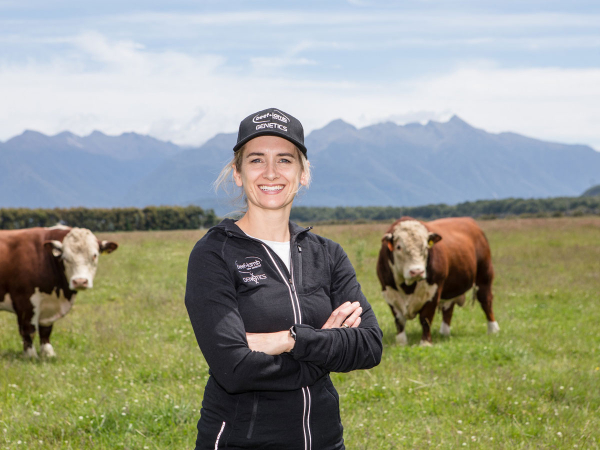 INZB programme lead Dr Gemma Jenkins.
New Zealand's primary sector is being called on to help shape the future of the country's industry by sharing views and insights about the availability and use of genetic tools.
The Informing New Zealand Beef (INZB) programme has launched its fourth annual industry survey aimed at farmers, beef breeders and rural professionals, including agricultural consultants and facilitators, stock agents and vets. The survey closes on Monday, December 9, 5pm.
INZB programme lead Dr Gemma Jenkins says findings from the previous surveys had already been incorporated into programme activities.
The seven-year programme aims to boost the sector's profits by $460m over the next 25 years. It is developing a beef genetic evaluation system that includes traits that are important to New Zealand beef farmers, supporting a sustainable beef farming industry.
"We really encourage farmers and others involved in the sector to complete this year's survey, even if they have already taken part in previous years. This enables us to measure changes in views and the uptake of genetic tools over time," says Jenkins.
Farmers with high-quality feed available in late spring could consider weaning at least a proportion of their lamb crop early to benefit both lambs and ewes.
The first major update to the Dairy Cattle Code of Welfare in more than a decade has been released, marking what DairyNZ describes as an important step in ensuring animal welfare standards continue to evolve alongside scientific evidence and on-farm realities.
Bovine Viral Diarrhoea (BVD) is sometimes viewed as a dairy industry issue, but the reality is that the disease can have serious consequences for beef breeding herds as well.
Animal health company Bovonic is gearing up for its next stage of growth after increasing New Zealand sales of QuadSense by more than 50% in the last 12 months, including a record quarter for the business this year.
With lambing underway in many regions, Beef + Lamb New Zealand is encouraging farmers to put together a wellequipped lambing kit to help minimise lamb losses, particularly in bad weather.



Federated Farmers has welcomed new rural policies released by ACT, saying they align closely with its own election priorities.

Rural Contractors NZ says proposed changes to land transport rules for agricultural vehicles are a welcome response by the Government to out of date regulations which have seen members hit with huge fines.
Alliance is calling for final applications for its 2027 Graduate Programme, with applications closing on Sunday 25 October.
Decades piloting planes has ensured vet and farmer David Hayes is focused on safety. So, after a serious accident while welding on farm, he is sharing his experience so others can learn from it.
Canterbury milk processor, Synlait Milk has confirmed Leon Fung as its chief executive officer.
OPINION: Making it easier to collect rainwater and use it to grow crops and livestock is a no brainer.

OPINION: The same mainstream media muppets that brought you Jacindamania in 2017 have been flat out pimping for the Opportunities…
OPINION: Your old mate reckons the atrocious way farmers in the UK are treated by their lords and masters in…




