
Westpac Urges Farmers to Prepare Now for El Niño Drought
Westpac NZ is calling on farmers and growers to start preparing now for the possibility of a dry summer, as likely El Niño conditions raise the risk of drought across parts of the country.




 increase font size
 William Rolleston
THE COMMERCE Commission is negotiating with Westpac and ASB after having reached a $19 million settlement with ANZ over the marketing of interest rate swaps.
The deal has been welcomed by Federated Farmers, but slammed by Labour Primary Industries spokesman Damien O’Connor.
The settlement will see ANZ establish a fund of $18.5 million, to be used to make payments to eligible customers, i.e. those who registered complaints with the commission.
The commission will also get $500,000 towards its investigation costs, and some money from the payment fund may be given to rural charities.
ANZ has also agreed to admit in High Court proceedings that it engaged in certain conduct that was misleading to some eligible customers over the marketing of interest rate swaps from 2005-2009. The commission will be seeking High Court declarations that the bank’s conduct breached the Fair Trading Act 1986. A hearing of that application is likely to take place early next year.
ANZ says it does not accept all the Commerce Commission findings but accepted some of the conduct was misleading and says settlement avoids lengthy delays of payments to customers.
The bank is contacting the 178 customers who may be eligible for a payment.
Federated Farmers has described the settlement as “a fair and equitable outcome” for rural customers. President William Rolleston says the agreement that the ANZ will pay compensatory payments to customers who believe they were misled by their interest rate swap contracts is the best outcome which could be expected.
“While some farmers found interest rate swaps a useful instrument, others felt they were not adequately informed of the risks should the market run against them. The global financial crisis created those unexpected and unfavourable conditions. Federated Farmers wrote to the Commerce Commission asking it to investigate and the outcome today vindicates our stance.”
Rolleston says the saga is a reminder to all farmers that they must be sure they understand contracts and they get independent advice.
Meanwhile, Labour’s Damien O’Connor says the commission found failings by the bank but then lets them off the hook with a paltry $18.5 million payment for total absolution.
“Even Mother Teresa would struggle with this level of forgiveness for a bank that between 2005 and 2009 pocketed $6 billion in pre-tax profits.
“They have eliminated any possibility of a further investigation into the selling of millions of swap loans by the ANZ to New Zealand farmers between 2005 and 2009.”
He says farmers were prevented from coming forward by confidentiality clauses in bailout packages when banks realised they were going to have to explain their swaps selling practices.
“In the UK and Australia, banks have been held to account for practices that were deemed misleading and unethical for lenders and investors who were ill equipped to understand these complex financial products. New Zealand has failed to do the same,” says O’Connor.
Westpac NZ is calling on farmers and growers to start preparing now for the possibility of a dry summer, as likely El Niño conditions raise the risk of drought across parts of the country.
Milk powder prices are keeping farmgate prices up, helping processors offset the dip in milk fat prices.
Case IH has unveiled its redesigned next generation Puma Series tractors, said to offer improvements in connectivity, operator comfort, fuel efficiency and drivability.
Cameron Reed lives between two worlds.
A milk glut around the world shows no sign of easing, putting downward pressure on farmgate milk prices for the next few months.


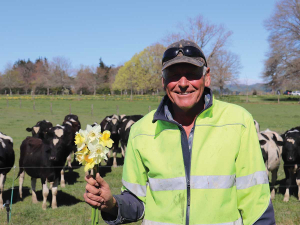
South of the central Hawke’s Bay town of Waipukurau is Taniwha Station – a highly successful 550ha bull beef farming operation.
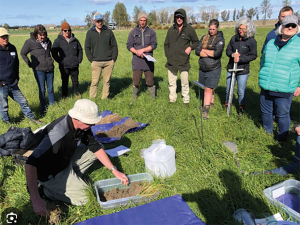
Beef + Lamb NZ funded research has shown that some simple changes to pasture management could help farmers make better use of rainfall and build resilience before dry conditions hit.
OPINION: There could hardly be a more appropriate theme for a conference than the one chosen by the red meat sector - Navigating Volatility.
When Northland leather worker Vernon Suckling started making horse saddles 50 years ago, quad bikes and side-by-side vehicles were unheard of.
Alliance Group has confirmed that eligible farmer-shareholders who supply and continue to back the business will receive up to $20 million later this year, following the strategic investment partnership with Dawn Meats.
With a general election under five weeks away, Rural News is asking major political parties about their policies and positions on key issues facing the primary sector. We will run their responses to each question over the next four weeks. The ACT Party and the Greens didn't respond in time.





OPINION: The same mainstream media muppets that brought you Jacindamania in 2017 have been flat out pimping for the Opportunities…
OPINION: Your old mate reckons the atrocious way farmers in the UK are treated by their lords and masters in…




