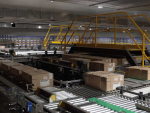
Final call for Alliance’s 2027 Graduate Programme
Alliance is calling for final applications for its 2027 Graduate Programme, with applications closing on Sunday 25 October.




 increase font size
 Alliance Group chief executive David Surveyor.
Alliance Group says decarbonisation projects at three South Island processing plants is a major boost to its goal of reducing its carbon footprint.
Alliance Group and the Energy Efficiency and Conservation Authority (EECA) will co-fund the projects at the co-operative’s Lorneville and Mataura plants in Southland and at Smithfield plant in Timaru. Together, the plants employ approximately 3,000 people at peak season.
As part of the decarbonisation project, Alliance will install an electrode boiler to reduce the use of existing coal fired boilers at its Lorneville plant near Invercargill, saving 11,739 tonnes of carbon per annum.
The co-operative will also replace the existing main coal fired boiler at its Mataura plant with a high temperature heat pump system and small diesel boiler used only for peaking, saving 6,401 tonnes of carbon per annum and significantly improving the air quality for local residents.
In the third project, Alliance will capture waste heat from the refrigeration plant at Smithfield to replace coal use for process heat, saving 3,811 tonnes of carbon per annum.
The emissions savings from the decarbonisation projects represent the equivalent of taking more than 8,000 average sized passenger cars off the road.
“In 2019, Alliance Group set a goal of ending the use of coal at our plants within 10 years,” says David Surveyor, chief executive of Alliance Group.
“We have been tracking the carbon emissions from our plants, examining other fuel options across our network and rolling out a range of energy-saving projects. The co-operative aims to cut our carbon footprint significantly and this investment will help us reach that goal faster.
“It marks another milestone in our Energy Transition Pathway developed in collaboration with EECA to decarbonise our seven processing facilities and secure a low emissions future for the co-operative.
“We are proud to be contributing to New Zealand industry’s decarbonisation journey. This investment also enables us to keep jobs in the region, will stimulate the local economy and support local employment.
“Importantly, adopting clean technology means a healthier work environment and air for our people and our communities.”
Alliance is calling for final applications for its 2027 Graduate Programme, with applications closing on Sunday 25 October.

Alliance Group has confirmed that eligible farmer-shareholders who supply and continue to back the business will receive up to $20 million later this year, following the strategic investment partnership with Dawn Meats.
Alliance Group's $16 million programme to install innovative heat pump systems at its Otago and Southland processing plants wins a New Zealand Energy Excellence Award after cutting annual emissions by more than 24,000 tonnes of CO₂e.
Alliance Group chief executive Willie Wiese is leaving the company after three years in the role.
Alliance Group has commissioned a new heat pump system at its Mataura processing plant in Southland.


A dairy industry leader believes eradicating the common and costly disease, Bovine Viral Diarrhoea (BVD) is within reach.
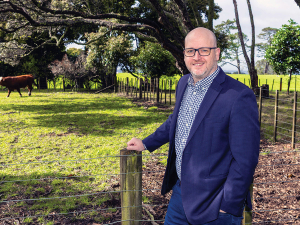
A farmgate milk price of $10/kgMS this season is firming up as milk powder prices soar and the New Zealand dollar weakens.
Federated Farmers has welcomed new rural policies released by ACT, saying they align closely with its own election priorities.
Rural Contractors NZ says proposed changes to land transport rules for agricultural vehicles are a welcome response by the Government to out of date regulations which have seen members hit with huge fines.
Alliance is calling for final applications for its 2027 Graduate Programme, with applications closing on Sunday 25 October.
Decades piloting planes has ensured vet and farmer David Hayes is focused on safety. So, after a serious accident while welding on farm, he is sharing his experience so others can learn from it.


OPINION: The same mainstream media muppets that brought you Jacindamania in 2017 have been flat out pimping for the Opportunities…
OPINION: Your old mate reckons the atrocious way farmers in the UK are treated by their lords and masters in…




