
When it comes time to hang up the gumboots
With the average age of New Zealand farmers pushing 60, and land values on a steady increase, it’s no surprise succession planning is currently top-of-mind for the agricultural industry.




 increase font size

Deceased farming family members could be buried on privately owned farm land in the near future, if the Government implements recommendations made by the Law Commission.
The commission last week reviewed the Burial and Cremation Act.
The report recommends substantial changes to New Zealand's burial and cremation laws to meet the needs of an increasingly diverse society.
The commissioner who led the review, Wayne Mapp, said it was recommending that owners of private rural properties be able to apply to their local council for burial on their land.
Mapp said councils should be required to consider the applications and would have the power to decline if it appeared the owners or managers of the farm were unable to maintain the land for a long time.
He said if the land was on-sold, an arrangement would need to be made for the family to visit the grave site.
"You'd expect them to have that ability. The site itself would have to be noted in the title and you'd expect people would be able to visit it."
The Government has six months to respond to the review, which also recommends modernising how deaths are certified and making it easier to open privately run crematoria.
With the average age of New Zealand farmers pushing 60, and land values on a steady increase, it’s no surprise succession planning is currently top-of-mind for the agricultural industry.

Peat soil are a fragile and important part of our lowland ecosystems that regulate water flows and quality.
Leasing support land can work very well, however it commonly involves a big investment of time and money.
A new report commissioned by the Ministry for Primary Industries has shown the potential held in over one million hectares of Maori freehold land, says Minister for Primary Industries Nathan Guy.
Fonterra, Zespri and Massey University are among those who have joined forces with the Federation of Māori Authorities and the Māori Trustee to focus on increasing the productivity of Māori-owned farm land.


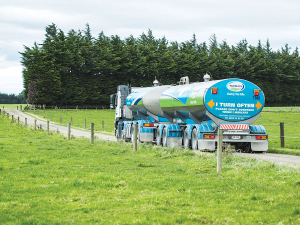
Fonterra board members are in line for a pay rise of around 3%.
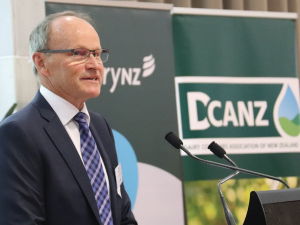
Dairy processors are ready to further boost New Zealand’s export earnings but want the incoming government to match their ambition with good policy.
Massey University is best placed to solve the “problems” facing the dairy industry, says vice chancellor, Pierre Venter.
Synlait's longest serving employee – a man who joined the Canterbury-based milk processor even before it began processing milk – is now its newest executive.
A dairy industry leader believes eradicating the common and costly disease, Bovine Viral Diarrhoea (BVD) is within reach.
A farmgate milk price of $10/kgMS this season is firming up as milk powder prices soar and the New Zealand dollar weakens.




OPINION: The same mainstream media muppets that brought you Jacindamania in 2017 have been flat out pimping for the Opportunities…
OPINION: Your old mate reckons the atrocious way farmers in the UK are treated by their lords and masters in…




