Milk Powder Prices Prop Up Farmgate Milk Price
Milk powder prices are keeping farmgate prices up, helping processors offset the dip in milk fat prices.




 increase font size
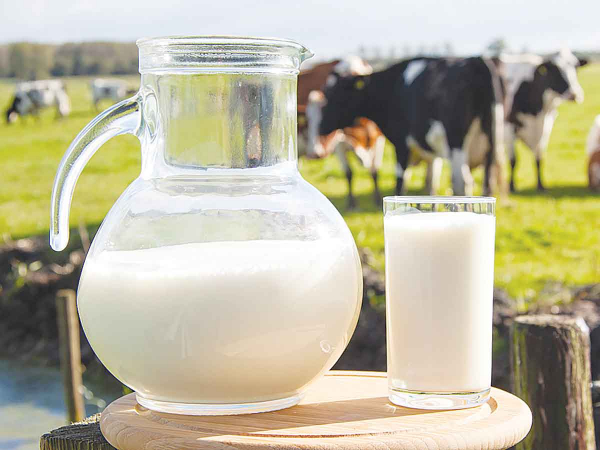 Despite a sixth consecutive drop in the GDT price index, analysts say an $8/kgMS payout is still on the cards.
Dairy prices continue to fall, but an $8/kgMS forecast milk price this season is still on the cards, say analysts.
Last week’s Global Dairy Trade (GDT) saw the sixth consecutive drop in the price index. But it’s the fourth consecutive drop in whole milk powder (WMP) price that will concern farmers.
ASB economist Nat Keall points out that WMP prices are holding onto most of their gains from earlier in the year and are still up about 20% on the same period last year
“We expect prices to drift lower over the remainder of the season, but the pace and size of the easing is a big question,” says Keall.
With global demand and supply still finely balance, he thinks a sharp price correction is unlikely.
Keall says while there are some downside risks to ASB’s forecast of $8.20/kgMS, prices remain very high.
“We still see the makings of a strong season despite the latest GDT result.
“Anecdotally, there are signs too that Fonterra is selling product off auction at healthy prices.”
A weaker than expected New Zealand dollar may add some support to the farmgate milk price, says Keall.
The consecutive drop in dairy prices suggests prices are losing momentum.
Aggressive Chinese purchases fuelled the boom in dairy prices this year, as the country build ups its strategic stockpile in response to booming domestic consumption.
Keall says tighter global supply and widespread freight disruption have added fuel to the fire.
“But there are now signs Chinese inventory is getting closer to healthy levels, and global production (both in NZ and in the Northern Hemisphere) has lifted in response to the price signals,” he says.
Milk powder prices are keeping farmgate prices up, helping processors offset the dip in milk fat prices.
OPINION: With 10,500 dairy farms, New Zealand continues to punch above its weight around the world.
A milk glut around the world shows no sign of easing, putting downward pressure on farmgate milk prices for the next few months.
Fonterra has reduced its forecast 2026/27 Farmgate Milk Price.
New Zealand dairy farmers are set to be the first in the world to receive access to a new digital physical milk pricing tool that enables them to fix the price for their physical milk.


Farmer-owned fertiliser company, Ballance Agri Nutrients is welcoming National’s plan to negotiate security agreements with key supplier countries to protect New Zealand-bound products from export restrictions and greater supply chain certainty.

Carrfields has announced the appointment of Stu Hall to the newly created role of chief operating officer, Carrfields Ltd, reflecting the continued growth of their agribusinesses and the need to ensure the company has the leadership capacity and support in place as it pursues the emerging opportunities ahead.
New Zealand's role is not to compete with Indian growers, according to NZ Apples and Pears.
The potato industry is celebrating the success of two rising stars - James Blair, the 2026 Young Grower of the Year and runner-up and innovation award winner, Amber Davy.
Twenty-eight emerging leaders from across the horticulture sector spent two days last month learning valuable skills and connecting with industry experts.
There are five entrants in this year’s Young Horticulturist of the Year, competing in a series of technical, practical, business and leadership challenges.




OPINION: The same mainstream media muppets that brought you Jacindamania in 2017 have been flat out pimping for the Opportunities…
OPINION: Your old mate reckons the atrocious way farmers in the UK are treated by their lords and masters in…