Herd improvement co-operative LIC will pay farmer shareholders $26 million this month as a dividend.
The payment on August 19 equates to 18.43c/share with an 18.5% gross yield to the current share price.
The company says this comes on the back of a solid financial result for 2021-22, driven by increased farmer spend on premium genetics and herd improvement services to breed more efficient cows with a lighter environmental footprint. Total revenue rose 5.7% to $263 million and net profit was up 16.5% to $27m.
The farmer-owned co-operative finished the year debt-free and with total assets of $386m, slightly up on the previous year.
LIC's spend on R&D topped $18.2m, nearly % of total revenue.
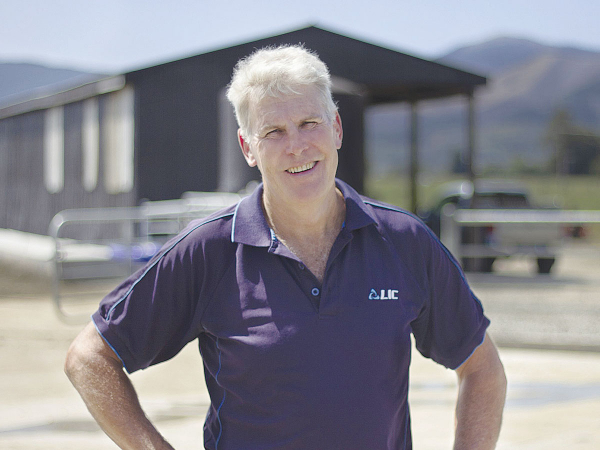
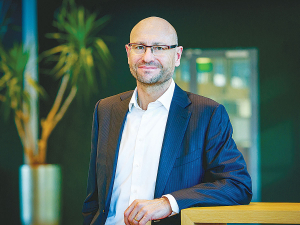
Board chair Murray King says the result was pleasing, particularly after a year hampered by Covid-19, inflationary pressures and supply challenges.
"Delivering value for our farmers is at the centre of everything we do and it's results like this that enable us to do just that - through our herd improvement products and services, a solid dividend, and, importantly, the right R&D investment to keep their herds profitable and sustainable into the future."
On sustainability, King says the dairy industry needs to keep evolving to meet the challenges posed by climate change.
"The production efficiency of every cow in our national dairy herd has never been more important; farmers know that all cows aren't created equal and they are investing in solutions to breed the best cows, faster.
"These breeding decisions will serve them well into the future to build a more profitable and sustainable dairy sector and meet climate goals."
During the 2021-22 year, 71% of fresh semen straws used for breeding replacements were from LIC's premium bull teams (2.1 million straws), up from 60% the year prior (1.8 million straws).
King says the co-op has invested heavily into genomics over the last 30 years and new research has confirmed farmers are reaping the rewards of this now.
"Long-term users of LIC genetics have almost doubled the speed of improvement in their herds over the last decade.
"They are not only breeding genetically superior cows which are more emissions efficient, they're also breeding them at a much faster rate and genomics is the key contributor to this.
"We don't need to milk more cows, we just need to milk the best cows and we're really pleased that our farmers are making solid progress in this space."
LIC's orders for sexed semen almost doubled from the previous year, exceeding 200,000 straws for the first time. International exports also saw an increased demand for sexed semen, while overall straws numbrs sent offshore remained steady on the year prior.
DNA verification tests increased (up 15%), as did LIC's range of animal health tests (up 21%), with a notable increase in Johne's disease testing with close to one million samples tested (up 28%). The number of animals recorded in MINDA, LIC's herd management system, also remained steady.