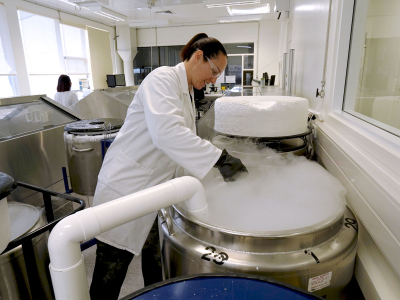
LIC has spent $1 million to revamp its semen processing centre in the Manawatu.
The co-op, which is the country’s largest supplier of artificial breeding (AB) services and dairy genetics, opened the centre this week.
The refurbishment will enable LIC to enhance export capabilities and use the centre as a back up to its main facilities in Hamilton if required.
The state-of-the-art, purpose-built facility includes an upgraded laboratory, office spaces, meeting rooms, building exterior and an additional new laboratory for the production of sexed semen.
The centre originally opened in 1960 in Awahuri, near Palmerston North, and was converted in 2008 to a seasonal semen production facility with the sole purpose of collecting and processing bull semen for export to the EU market. Last year, the facility produced 400,000 semen straws for the EU.
LIC opened the upgraded facility with a ribbon cutting ceremony on March 7th.
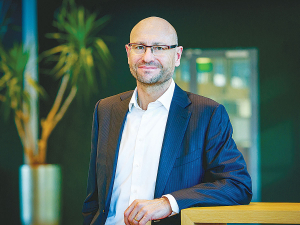
Speaking at the event, LIC chief executive Wayne McNee said the greater than $1 million investment demonstrates the co-op’s continued focus on increasing its export business to deliver value for its farmer shareholders in New Zealand.
“Many farmers in our key export markets, such as the UK and Ireland, farm their cows on pasture, just like we do in New Zealand. As a leader in breeding dairy cows for grazing systems, LIC is proud to provide these farmers with world-class genetics that enable them to breed the best cows for their farming systems.”
McNee said demand for high quality pasture-based genetics in international markets is growing. LIC’s international semen sales exceeded over 1 million straws for the first time in 2018.
“These improvements mean LIC is well placed to meet the growing international demand as well as critical EU audit requirements.”
The upgrades also make the facility a suitable back-up to LIC’s main operations centre if required.
“This upgrade strengthens our business continuity plans and ensures we are well-positioned to continue to deliver vital services to our New Zealand farmers in the event of a crisis.
“This upgrade will allow us to quickly move operations to Awahuri if we needed, which is critical in spring when we’re inseminating over 100,000 cows a day at peak time.”