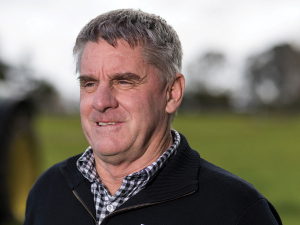
Matt and Lynley Wyeth, and their two sons, Alex and Cameron, farm 1600ha at Spring Valley in Kaituna. Heavy snows in 2010 cost them dearly with 1000 lambs perishing overnight in the freezing conditions. Since then they’ve been working to reduce losses as much as possible.
“There are only so many lambs you can bring back to the house and put in front of the fire, so we watched helplessly as all our work, and ultimately profit, was washed away. We decided not to go through that again, so we set up an indoor facility where we can make sure the motherless lambs not only survive but thrive,” Matt Wyeth explains.
“We feel we have an animal welfare obligation to give everything a fighting chance; essentially we’re a sheep and beef business with an orphan lamb system running inside. It also helps to minimise our business risk and build resilience into our farming system.”
The couple has spread their risk and workload over five lambing dates and land class units. Rather than put all their stock at risk of being hit by one storm they’ve staggered breeding so the risk is spread over five dates.
The Wyeths also put different mobs on different land classes depending on their physical attributes and lambing requirements.
“For example, we bring the highest risk ewes (two-tooths and triplets) closer to home where we can have a higher influence on them. Our late-stage ewes (having single lambs) are put on our high country because of its later growth curve and warmth.”
Wyeth and his team also align their pasture productivity to maximise the lambing carcase weight (per hectare) leaving the property. They use all forage-based pasture – fodder beet, rape and plantain on the flat country and ryegrass and native grass on the hill country, monitoring their soil and water nutrients very closely.
“We’re making sure we are sustainable while ensuring our stock are efficient in converting the nutrients into available product as quickly and efficiently as possible. Ravensdown monitors and measures all our nutrients for us and completed our farm environmental management plan,” he adds.
“Ravensdown is a part of our team. We regularly seek the advice of Greig McLeod, senior agri manager, and Paul McKee, animal health advisor. They’re another part of the cog in our enterprise, making sure our inputs and policies are correct for the season, the environment and expected productivity.”
The farm’s lambing percentage now constantly hits 160% from 14,000 stock units, reflecting the farm’s mantra, ‘proud and passionate about our industry, where efficiency meets farming’.