India FTA Removes 33% Tariff on NZ Sheepmeat
New Zealand’s red meat sector has welcomed the India-New Zealand Free Trade Agreement taking effect, which removes India’s 33% tariff on New Zealand sheepmeat.




 increase font size
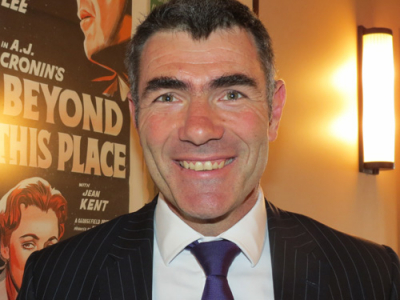 Primary Industries Minister Nathan Guy.
Primary Industries Minister Nathan Guy says an independent study shows Primary Growth Partnerships (PGP) can generate $6.4 billion by 2025.
He says when National became the government the primary sector said it needed more R&D. PGP has been a 50/50 initiative, but is now funded 40% by the Ministry for Primary Industries (MPI) and 60% by industry.
"We've got wonderful examples where PGP is starting to add value," Guy says. "For instance, the Steepland harvester – a machine that works on steepland slopes – we can now export that machinery and technology around the world."
He refers to huge excitement about transforming the dairy value chain – from farmgate to processing. Mozeralla cheese, which used to take six weeks to develop, can now be made in hours.
"There are many other examples across the supply chain where PGP is adding huge value."
The $31.39m 'Sheep – Horizon Three', in partnership with Spring Sheep dairy, is the 22nd PGP scheme.
Guy told about visiting the New Zealand primary sector bootcamp at Stanford University this year with Scottie Chapman, chief executive of Spring Sheep, and MPI director-general Martyn Dunne and others.
The Te Hono bootcamp brings together chief executives from the primary industries sector. The brainchild of NZ Merino chief executive John Brakenridge, it explores new ways of thinking and doing for the sector.
"That is an opportunity to look back at our little country that is leading the charge in R&D and creating value for our provenance story," Guy says.
"We feed about 40 million; we have opportunity to move more of our products out of commodities into value add, getting the consumer at the centre."
The Transforming the Dairy Value Chain PGP Guy referred to is the largest, the government paying $84.6m and industries $85.7m.
DairyNZ and Fonterra are leading the PGP programme aimed at creating new value-add products, increasing onfarm productivity, reducing environment impacts and improving agricultural education.
Other achievements include improving cream to meet restaurant and bakery customer needs in Asia, and a dairy-based milk powder ingredient clinically proven to enhance sleep.
New Zealand’s red meat sector has welcomed the India-New Zealand Free Trade Agreement taking effect, which removes India’s 33% tariff on New Zealand sheepmeat.
Fonterra shareholders can begin voting on Tuesday 20 October in the 2026 Board of Directors’ election, a Co-operative Council election in one Ward, and seven Annual Meeting resolutions.
Fonterra Co-operative Group chief financial officer Andrew Murray has resigned to take up a role outside the dairy giant.
Today, 15 October, is the International Day of Rural Women, which recognises rural women’s contribution to farming, communities and the environment.
Four candidates have been confirmed for two director positions on Fonterra’s board.



Federated Farmers has welcomed new rural policies released by ACT, saying they align closely with its own election priorities.

Rural Contractors NZ says proposed changes to land transport rules for agricultural vehicles are a welcome response by the Government to out of date regulations which have seen members hit with huge fines.
Alliance is calling for final applications for its 2027 Graduate Programme, with applications closing on Sunday 25 October.
Decades piloting planes has ensured vet and farmer David Hayes is focused on safety. So, after a serious accident while welding on farm, he is sharing his experience so others can learn from it.
Canterbury milk processor, Synlait Milk has confirmed Leon Fung as its chief executive officer.
OPINION: Making it easier to collect rainwater and use it to grow crops and livestock is a no brainer.

OPINION: The same mainstream media muppets that brought you Jacindamania in 2017 have been flat out pimping for the Opportunities…
OPINION: Your old mate reckons the atrocious way farmers in the UK are treated by their lords and masters in…




