Growing confidence in the kiwifruit sector is providing new opportunities for pastoral farmers.
They have an opportunity to be part of the horticulture success story without necessarily having to sell their entire farm to do it.
The latest Ministry for Primary Industries (MPI) Situation and Outlook report paints a highly positive picture for the primary sector overall, with horticulture standing out as an emerging force for 2019.
Horticultural exports are forecast to rise by 13%, topping $6 billion and the boost is largely coming from improved apple and kiwifruit values and yields for the season.
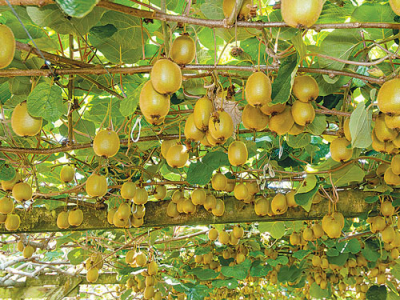
Last season’s kiwifruit production was 25% up on the poor yields the year before. Coupled to the conversion to greater areas of high value SunGold kiwifruit, some orchardists are experiencing 90% higher orchard gate returns compared to Green varieties.
For farmers in parts of the upper and central North Island the improvement in returns can offer a double barrelled opportunity to have a foot in both the horticultural and pastoral sector, spreading their risk, optimising their property’s return and even helping inject some additional capital value into it.
ANZ’s report on kiwifruit industry investment released late last year highlighted the broadening opportunities beyond traditional kiwifruit growing areas, including parts of Northland for the SunGold variety.
University of Waikato has estimated kiwifruit earnings in that region will more than double to $72 million by 2030, as will the number of people working in the sector.
The ability of SunGold to grow well outside of its traditional areas in Bay of Plenty is also opening up opportunities for larger iwi land holders in remote Eastern Bay of Plenty districts.
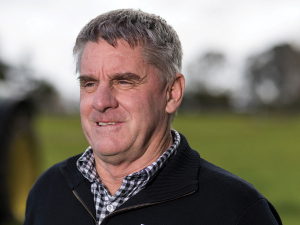
Bayleys Te Puke rural real estate agent Snow Williams says he has a database bulging with buyers interested in kiwifruit orchards in the BoP, and his greatest challenge is finding orchards for eachbuyer.
“It is fair to say supply is quite tight; any growers who have orchards and are successful are not really in a mind to sell at this point, and many are keen to expand; and then there are those seeking entry into the orchard market. It’s keeping competition hot for good properties.”
He sees an opportunity for farmers in areas suitable for Green and SunGold kiwifruit to consider looking over the fence at their horticultural options.
A bit on the side
Snow Williams has one client who recently split 40ha off their pastoral property for kiwifruit.
“But we are not seeing as many as you may think, and pastoral farmers tend to stick to what they do; but it is not beyond the bounds to look at options.”
Williams says some kiwifruit options could be a useful life-stage choice for older farmers on smaller farms in suitable areas.
“You could be on a 60-70ha unit and approaching retirement, but possibly not wanting to leave the farm. You could put a reasonable portion of it into kiwifruit, even lease it out for the income, and keep some of the area for drystock grazing. As farmers age we could expect to see more of this happen.”
Kiwifruit management can integrate well into a pastoral farming calendar, with the busy picking season coming as pastoral focus tapers off into autumn, while winter pruning comes when things are quieter onfarm.
“You can do as much, or as little, as you choose given the management options and skills out there.”
The ANZ kiwifruit investment report cautions that any greenfields development must be appropriately capitalised or be backed by other income to support outgoing cashflows for the first few years.