Red Meat Farmers Welcome Labour's Emissions Pricing Pledge
Red meat farmers are welcoming Labour’s plan to review the Emissions Trading Scheme and not to campaign on pricing agricultural emissions.
 increase font size
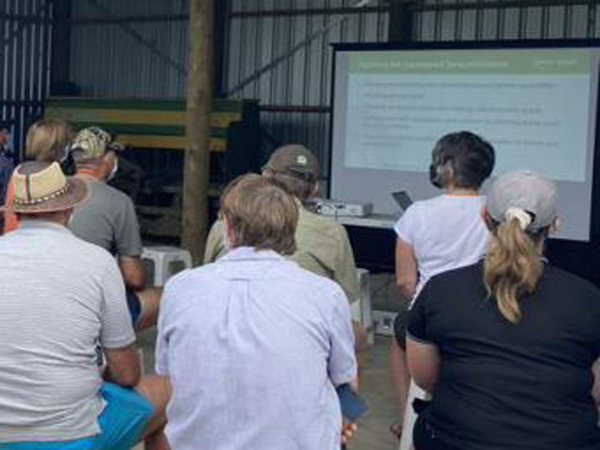 Beef+Lamb New Zealand say recent carbon workshops have been a big hit among farmers.
Beef + Lamb New Zealand (B+LNZ) says its Trees within Farms: Opportunities with Carbon workshops are a hit with farmers across the country.
The workshops, which aim to improve farmers’ understanding of the Emissions Trading Scheme (ETS) and Zero Carbon Bill, help identify ways to generate a financial return from the ETS, localised tree-planting and land-retirement funding programmes.
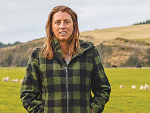
“At the workshops, farmers learn about the integration of trees into pastoral-based farming systems, the ETS, and opportunities to offset greenhouse gas emissions,” says B+LNZ extension manager Maria Shanks.
Shanks says B+LNZ sees trees as an important part of pastoral-based farming systems.
“It’s important that farmers’ efforts are recognised through their planting programmes and these workshops help to unlock some of the economic benefits available to them. By the end of the workshop, they have a clear idea of which options are relevant to their farm business.”
Following successful pilot workshops in Bay of Plenty and Waitomo, the scheme was rolled out nationwide.
Shanks says the programme has received positive feedback with more than 100 farmers attending two workshops in Northland in May followed by 80 in the Bay of Plenty and Waikato in June.
“Farmers have told us they left the workshop with a clear idea of the options they want to explore further,” she says.
“We want to make sure farmers get the most out of the workshops and can get information relevant to their specific farming situation and circumstances.”
Rotorua farmer Richard Fowler, who attended workshops in Opotiki and Rotorua, encouraged other farmers to register and find out how the programme could benefit them too.
“It’s a complicated issue, and this workshop gives you a good insight of how to integrate trees into your farming portfolio for multiple benefits including financial performance,” he says.
“The workshop gave me a much better understanding of the ETS and how we can tap into it for our farm, so farmers should make the time to register.”
While B+LNZ is not anti-forestry, it has been calling for the Government to limit the amount of offsetting allowed through the ETS due to concerns over whole farms being sold and converted to carbon forestry, which has a significant, negative impact on rural communities.
“We know a lot of farmers are looking to integrate trees on farms, exotic and native, and that’s a good thing. Farmers know their land best,” says Shanks.
“It’s about planting the right tree, in the right place, for the right reason, and the Trees within Farms: Opportunities with Carbon Workshops really help with that.”
Red meat farmers are welcoming Labour’s plan to review the Emissions Trading Scheme and not to campaign on pricing agricultural emissions.
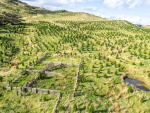
The New Zealand Institute of Forestry (NZIF) says unnecessary changes to New Zealand’s Emissions Trading Scheme (NZ ETS) will seriously erode investor confidence and result in significant reductions in forest planting rates.
New Zealand's Emissions Trading Scheme (NZ ETS) encourages afforestation while not achieving climate goals, says a new report released by the Parliamentary Commissioner for the Environment, Simon Upton.
Conversions of sheep and beef farms to forestry have slowed, however new research from Beef + Lamb New Zealand (B+LNZ) suggests land of value for food production remains at risk.
The Climate Change Commission has recommended maintaining the current New Zealand Emissions Trading System (NZ ETS) settings but warns of a potential unit shortfall as early as 2028.


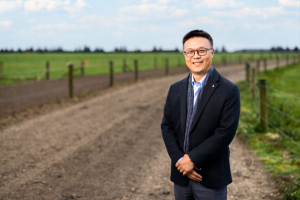
Canterbury milk processor, Synlait Milk has confirmed Leon Fung as its chief executive officer.
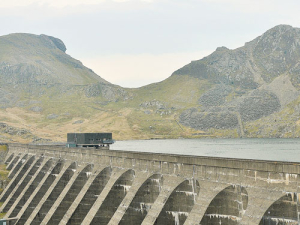
OPINION: Making it easier to collect rainwater and use it to grow crops and livestock is a no brainer.
As part of its Election 2026 coverage, Rural News asked political parties how they would help pull the arable sector out of the doldrums. Here's what they said:
Farmers are being encouraged to rethink how they manage waste on farm with the launch of ruralwastesorted.co.nz, a new website bringing together practical tips, real farmer experiences and resources.
New Zealand Winegrowers (NZW) is celebrating the India-New Zealand Free Trade Agreement (FTA) coming into force today, bringing New Zealand wine improved access to one of the world’s fastest-growing economies.
New Zealand’s red meat sector has welcomed the India-New Zealand Free Trade Agreement taking effect, which removes India’s 33% tariff on New Zealand sheepmeat.