Pāmu Silver Stabilizer Dairy Beef Genetics Open to Farmers
A major move is about to get underway to improve the quality and viability of dairy beef and cattle in NZ.




 increase font size
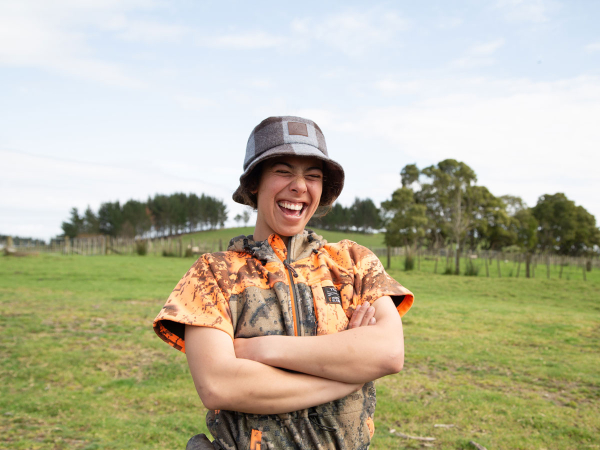 As part of the programme, apprentices will live in shared housing, repurposed from existing infrastructure on-farm, fostering a supportive community environment as they learn to navigate life and work.
Nine lucky school leavers passionate about farming will join Pamu for a two-year journey into agriculture, living and working at Pamu farm, Aratiatia near Taupo.
Launching in January 2025, the Pamu Apprenticeship Scheme combines practical on-farm experience, academic learning, and life skills.
Apprentices can earn while they learn, gain work experience on the state farmer’s dairy and livestock farms, and work towards Level 3 and Level 4 NZ Certificates in Agriculture through Primary ITO.
As part of the programme, apprentices will live in shared housing, repurposed from existing infrastructure on-farm, fostering a supportive community environment as they learn to navigate life and work.
Bernadette Kelly, chief of people, safety, and reputation, says a priority for Pamu is safe and capable people.
“At Pamu we are committed to growing and developing farmers. The Pamu Apprenticeship Scheme is not just about training young farmers; it's about setting them up for the future. Leaving school and starting a new career is often daunting. We’ll make sure our rangatahi get the balance right between work and study, as well as ensuring they take care of themselves when living independently.
“Budgeting, shopping, meal preparation, and paying bills are all essential life skills we can assist with to ensure they are set up for success as they transition to the workforce.”
This pastoral care will be a key component of the programme, led by an apprenticeship scheme manager.
Pamu chief executive, Mark Leslie says the scheme represents Pamu interest in growing the workforce of the food and fibre sector which is a driving force for the productivity of Aotearoa New Zealand.
“Investment in the food and fibre workforce generates greater returns to the nation than any other investment. Agriculture is export-led, with high productivity and significant GDP contribution per worker. With a small workforce compared to other sectors it has an outsized impact.”
Students enrolled in agriculture courses across the Central North Island, Waikato, and Bay of Plenty are eligible to apply.
For more information visit https://www.pamunewzealand.com/apprenticeshipscheme
A major move is about to get underway to improve the quality and viability of dairy beef and cattle in NZ.
High country stations, mixed sheep and beef farms, Māori-owned farms, corporates and family operations are among the nine commercial farms taking part in the Livestock Innovation Farming Transformation programme, known as LIFT.
Pāmu has welcomed Taranaki student Paige Burston as its newest First Foundation Scholar, supporting her journey towards a career in agriculture and animal science.
State farmer Pāmu is bracing for a $30 million hit from soaring farm input costs this financial year.
Pāmu has released its FY26 Integrated Annual Report, reporting a Net Operating Profit of $113 million, more than double the $49 million recorded in FY25.


Alliance is calling for final applications for its 2027 Graduate Programme, with applications closing on Sunday 25 October.
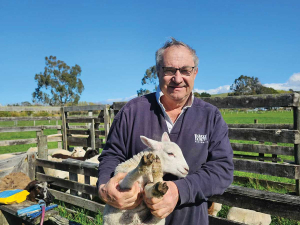
Decades piloting planes has ensured vet and farmer David Hayes is focused on safety. So, after a serious accident while welding on farm, he is sharing his experience so others can learn from it.
Canterbury milk processor, Synlait Milk has confirmed Leon Fung as its chief executive officer.
OPINION: Making it easier to collect rainwater and use it to grow crops and livestock is a no brainer.
As part of its Election 2026 coverage, Rural News asked political parties how they would help pull the arable sector out of the doldrums. Here's what they said:
Farmers are being encouraged to rethink how they manage waste on farm with the launch of ruralwastesorted.co.nz, a new website bringing together practical tips, real farmer experiences and resources.



OPINION: The same mainstream media muppets that brought you Jacindamania in 2017 have been flat out pimping for the Opportunities…
OPINION: Your old mate reckons the atrocious way farmers in the UK are treated by their lords and masters in…




