NZKGI Responds to Migrant Worker Exploitation Reports
Where any worker in the kiwifruit industry is mistreated, we expect the authorities to take action.



 increase font size
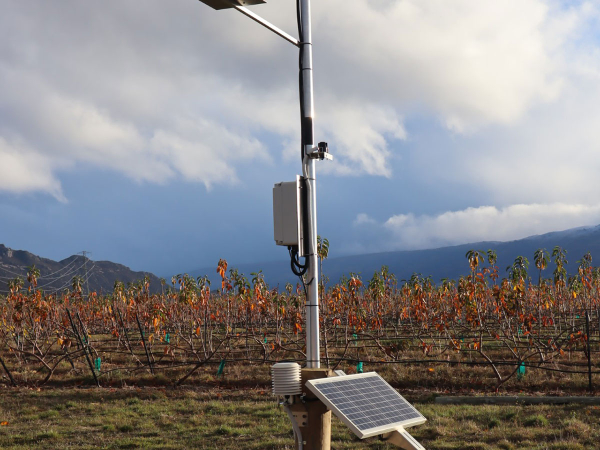 Despite the stormy start to February, weather conditions are looking positive for fruit growing regions.
As we move into the late-summer and autumn period, much of the country’s fruit growing regions are entering operationally critical windows of the horticultural calendar. The question on grower’s minds is ‘what is the outlook for the March-April harvest?’
Despite the stormy start to February, weather conditions are looking positive for fruit growing regions as we head into the main harvest season for apples and look towards the grape and kiwifruit harvests.
While we are in a technical La Nina at the moment, its influence on our weather pattern is very weak and conditions are trending neutral. In practical terms, this means fewer persistent weather patterns and a greater reliance on short, to medium-range variability, and we have seen plenty of that variability during early February.
Longer-term ENSO probabilities show we are likely to remain in a neutral pattern through to the end of April, taking us through the main apple, grape and much of the kiwifruit harvests. Neutral probabilities sit in the 70-85% range, with La Nina probabilities trending strongly downwards to sit under 10% by March.
In seasons dominated by strong climate drivers, decisions can be made with broad confidence. In largely neutral years, or ones with very weak ENSO drivers like this one, success depends far more on situational awareness. High-resolution, local data, soil moisture trends, rainfall and disease monitoring become the difference between proactive management and reactive response and high-quality fruit.
Conditions through late February and into early autumn are broadly supportive of harvest activities, particularly in the Hawke’s Bay and Bay of Plenty.
In the Hawke's Bay reports from orchards indicate good Spring conditions led to low disease pressure and fruit is very clean. Volumes are looking good. Early fruit is reported to be a little soft due to the hot conditions, especially compared to last season which benefitted from cool January conditions, firming up apples.
Apples should begin to colour up well as the high pressure brings on clear and cooler nights. Orchard teams will be taking extra care with irrigation, and for early-pick varieties, it's time for post-harvest irrigation to prepare trees for next season.
There should be good, settled windows of high pressure for picking in the region.
Warm weather is a risk to watch for grapes as high-pressure systems continue to drive disease pressure.
Kiwifruit crops in Bay of Plenty were looking good on orchards we monitor and have visited, with orchard managers pleased with big crop loads. Drier weather forecast will support a lift in DM content and growers will be looking forward to this for their picking windows. Bay of Plenty is looking well set up for this over the coming month.
Central Otago remains an outlier. Growers there continue to contend with a season that has run cooler, wetter and windier than normal. Small amounts (less than 24mm) of periodic rain came in consistently every week through December and January, which has not been useful for cherry harvests, but will support the upcoming apple harvest. The short sharp and annoying Southerly and South-Westerly swings that have been squeezing through the North Westerly high-pressure systems are forecast to persist.
Going into next season we are seeing the chance of El Nino building up through our winter – though it’s even odds, and doesn’t get much past 60% probability by October. It always takes time for the weather pattern to catch up with the ENSO climate drivers and at this stage the settings bode well for another good growing season.
Justin Courtney is Head of Strategy Metris, Horticultural Forecasting Specialists
Where any worker in the kiwifruit industry is mistreated, we expect the authorities to take action.

Kiwifruit growers are watchful but remain optimistic as concerns around the potential effects of the El Niño weather pattern this season.
More signs of a booming kiwifruit sector.
After delivering a strong financial year, rural trader PGG Wrightson says the coming months will depend on customer confidence and weather.
The apple sector is working with the Government to unlock access to two key markets that could bring millions in revenue for apple growers.


Farmer-owned fertiliser company, Ballance Agri Nutrients is welcoming National’s plan to negotiate security agreements with key supplier countries to protect New Zealand-bound products from export restrictions and greater supply chain certainty.

Carrfields has announced the appointment of Stu Hall to the newly created role of chief operating officer, Carrfields Ltd, reflecting the continued growth of their agribusinesses and the need to ensure the company has the leadership capacity and support in place as it pursues the emerging opportunities ahead.
New Zealand's role is not to compete with Indian growers, according to NZ Apples and Pears.
The potato industry is celebrating the success of two rising stars - James Blair, the 2026 Young Grower of the Year and runner-up and innovation award winner, Amber Davy.
Twenty-eight emerging leaders from across the horticulture sector spent two days last month learning valuable skills and connecting with industry experts.
There are five entrants in this year’s Young Horticulturist of the Year, competing in a series of technical, practical, business and leadership challenges.

OPINION: The same mainstream media muppets that brought you Jacindamania in 2017 have been flat out pimping for the Opportunities…
OPINION: Your old mate reckons the atrocious way farmers in the UK are treated by their lords and masters in…




