
Mel Ewers Wins NZAPI Outstanding Contribution Award
For 50 years, Tasman's Mel Ewers has been helping the apple sector navigate through compliance issues and training.



 increase font size
 New Zealand Apples and Pears want changes to the RSE scheme.
New Zealand Apples and Pears wants the new government to urgently deal with the Recognised Seasonal Employment (RSE) scheme.
Apple and Pears chief executive Karen Morrish wants changes to the scheme that would deliver phenomenal benefits. She told Hort News that these could be implemented in the first 100 days of National gaining the Treasury benches.
Morrish is preparing a briefing paper for the incoming minister setting out some of the key issues in her sector that could benefit from government input.
Morrish says the industry should be proud of the RSE scheme. She adds that it works well but after 15 years it's time to make improvements.
She believes that a government review of the scheme is needed and would be welcomed.
"The scheme is crucial to the industry, to the Pacific and our regional fruit-growing centres," Morrish explains.
"But it is currently out of balance. One of the main concerns that growers have is that for three years they have not been able to increase costs related to accommodation and utilities - even though these costs have been rising."
Morrish told Hort News that there has been a freeze in many areas of the scheme for the last few years and changes need to happen to ensure a more equitable system for everyone involved.
She says in the leadup to the election, the review process seemed to have stalled and she'd like this speeded up and completed as soon as possible.
"What we want is certainty around any changes, whether they are going to be rolled out quickly or phased in. This lack of clarity creates uncertainty for growers and our Pacific partners."
Getting Young People into Hort
Morrish believes there needs to be a perception change about the nature of work available in the apple and pear sector. She says while some of the work is physical, it's not just all about picking apples.
"There is a lot of technology on the orchards and especially in the packhouses where there is a huge amount of automation and technology," Morrish told Hort News.
"In these areas, we are looking for a different type of Kiwi with good technology skills. If you take the grading machines in the packhouses, they are taking 140 separate images of every apple to look for defects and grade for size."
Morrish believes part of the problem of not attracting young people to the sector is the way that horticulture is articulated in schools and to parents. She says if young people want a career in technology, the pipfruit is the place to go.
For 50 years, Tasman's Mel Ewers has been helping the apple sector navigate through compliance issues and training.

According to a progress report on the Aotearoa Horticulture Action Plan (AHAP), New Zealand's horticulture sector is making real progress on the big issues facing growers.
More than 300 growers, exporters, researchers, service providers and industry leaders will descend on Queenstown later this month for EXPO 2026, the annual conference for New Zealand’s apple and pear sector.
We are encouraged that employers are already engaging with two new visas for seasonal workforce recruitment.
When Ben Enock came to New Zealand for vineyard work in 2007, his primary aim was to pay for his children's education at home in Vanuatu.


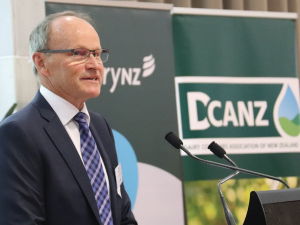
Dairy processors are ready to further boost New Zealand’s export earnings but want the incoming government to match their ambition with good policy.
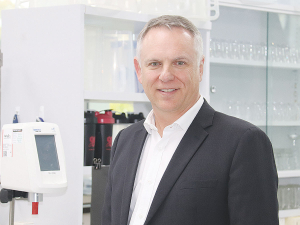
Massey University is best placed to solve the “problems” facing the dairy industry, says vice chancellor, Pierre Venter.
Synlait's longest serving employee – a man who joined the Canterbury-based milk processor even before it began processing milk – is now its newest executive.
A dairy industry leader believes eradicating the common and costly disease, Bovine Viral Diarrhoea (BVD) is within reach.
A farmgate milk price of $10/kgMS this season is firming up as milk powder prices soar and the New Zealand dollar weakens.
Federated Farmers has welcomed new rural policies released by ACT, saying they align closely with its own election priorities.


OPINION: The same mainstream media muppets that brought you Jacindamania in 2017 have been flat out pimping for the Opportunities…
OPINION: Your old mate reckons the atrocious way farmers in the UK are treated by their lords and masters in…




