
Workers a big part of the farming business
"We couldn't do this without our team. They are integral to everything." That's the first thing that Te Awamutu dairy farmers Jayson and Stacey Thompson have to say about their team.




 increase font size
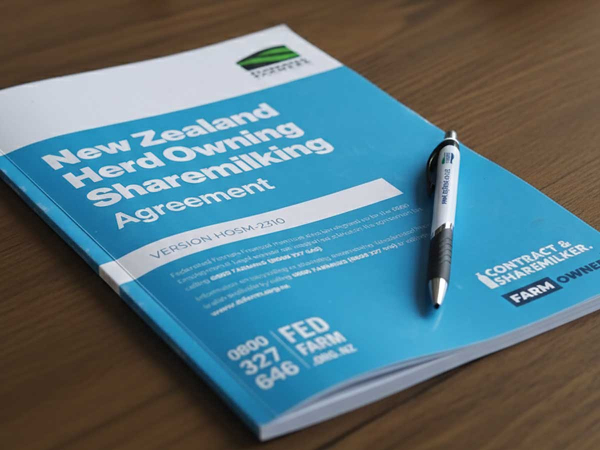 Do your due diligence – both as applicant and recruiter, says Kim Robinson, AgFirst.
New positions are being advertised each day and applications have begun around the country. Here are a few tips from Kim Robinson, AgFirst, for both recruiters and applicants.
Read the position description carefully and understand what you are applying for. If you do not have the required experience, funds, or don't want to work in that region, do not apply.
Recruiters spend several hours checking CVs and references, and it is frustrating when applicants are not suitable or change their mind. If you don't know what Contract Milking or HOSM is, look it up!
Do your due diligence - both as applicant and recruiter. Some employees, sharemilkers and farm owners seem to have disputes in every job. Ask around the district, these people will be known.
Once you are in the negotiating phase, get clarity on the variables. Ask "what if" questions, consider scenarios, and most importantly record what is agreed in the contract. It is very useful to use an independent facilitator to direct and record these discussions.
Make sure the contract is fully completed and then follow it! If you both decide to vary something, record this in writing, including whether this is a temporary variation (e.g. just the first year to help out) or a permanent change. Different expectations can lead to unrest very quickly if not clearly agreed and recorded.
If there are niggles, use an experienced consultant as a sounding board. They can give you advice on how the issue could best be dealt with. It is important to address the issues as they arise rather than stew over them.
Finally, communicate in a way that keep everyone in the loop. A verbal agreement made while sitting in the farm race without involving partners can be fraught. Have a table meeting once a month to discuss completed actions and upcoming items that may require some planning or materials. Health and safety risks and mitigations should be part of these meetings.
Make notes so everyone is clear on who is doing what. This simple planning keeps the system running smoothly and avoids most issues escalating.
Good Luck!
"We couldn't do this without our team. They are integral to everything." That's the first thing that Te Awamutu dairy farmers Jayson and Stacey Thompson have to say about their team.

Contract milking is a good introduction to self-employment, says Northland AgFirst consultant Kim Robinson.
Contract milking is a good introduction to self-employment, says Northland AgFirst consultant Kim Robinson.
Northland farm consultant Kim Robinson believes dairy farmers can achieve high fertility targets without CIDRs (controlled intra-uterine drug release), but they must have a plan.
Recently I've been involved in projects supporting staff selection, some prompted by client frustration at modest response to promotion of roles.


OPINION: As election day looms, rural NZ seems to have pressed the pause button – held somewhat in limbo on an orange light.

Will drones be the answer to tackling the problem of wasp and hornet nests high up in trees and other inaccessible places?
Canterbury milk processor Synlait has come through tough times and is now ready to scale up from a stable base, says its newly confirmed CEO Leon Fung.
NZPork says a ham made in New Zealand is not necessarily made from New Zealand pork.
Rural Contractors NZ says proposed changes to land transport rules for agricultural vehicles are a welcome response by the Government to out-of-date regulations which have seen members hit with huge fines.
With New Zealand’s greenhouse gas emissions in the spotlight, Auckland scientist Nathan Balasingham says there’s a better way to tackle the problem than shrinking cow numbers or fertiliser usage.

OPINION: It seems Canterbury processor Synlait is still in the doldrums.
OPINION: Get offside with New Zealand First leader Winston Peters at your own peril.




