
Farm Worker Appreciation Day: Thanking NZ's Dairy Teams
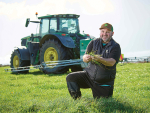
OPINION: Today marks Farm Worker Appreciation Day – a day we’re proud to recognise here in New Zealand.




 increase font size
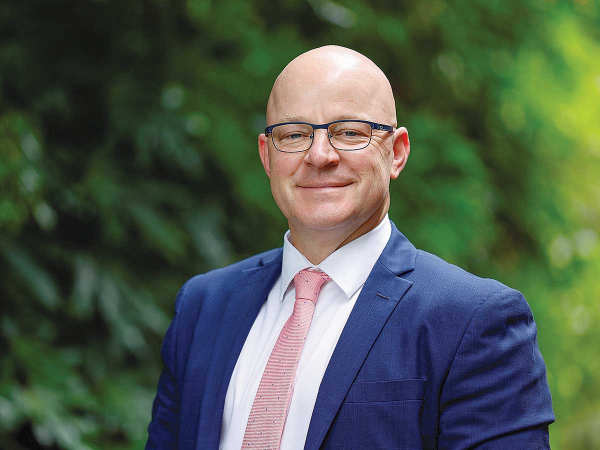 Associate Health Minister Matt Doocey says the new funding will allow better training for rural clinicians.
Rural New Zealand is welcoming the Government’s recent package of rural healthcare initiatives.
The package, announced last month, includes $2.5 million funding for a Point of Care Ultrasound (POCUS) training and support, expanded access to Primary Response in Medical Emergencies (PRIME) training, and $6 million for a refreshed National Rural Recruitment and Locum Support Service.
Associate Health Minister Matt Doocey says that giving rural clinicians better training will mean more people can get the care they need closer to home, while ensuring that those who do need hospital care can be identified sooner.
“When someone needs urgent care in a rural community, having a highly trained clinician nearby can make all the difference,” Doocey says. “We’re making it easier for more clinicians to get the training they need so they’re ready to respond.”
Bronwyn Main, Rural Women New Zealand (RWNZ) board member and health policy action advisory group convenor, says RWNZ welcomes the announcement of the new investments.
“The investment is a positive step towards addressing some of the unique healthcare challenges faced by rural communities,” Main told Dairy News.
She says that investing in tools and training that expands what can be done in a rural setting is a practical way to back the people who care for their communities.
She says that the investment is “part of the puzzle and a positive step”, however the realities of rural life – issues like accessibility, distance, and isolation – are still proving to be a barrier for medical care in rural communities.
“For many rural families, a healthcare appointment isn’t just an hour out of your day. It can mean a round trip of several hours, taking leave from work, organising someone to pick the kids up from school, or finding childcare,” Main says.
Meanwhile, Hauora Taiwhenua Rural Health Network chief executive Dr Grant Davidson says the announcement demonstrates the value of sustained advocacy and constructive engagement with Government.
“For many years we have consistently advocated that improving rural health outcomes requires investment in the people delivering care,” Davidson says.
He says the announcement recognises that rural clinicians require the correct training, support and workforce solutions to provide equitable healthcare for rural New Zealanders.
“Workforce recruitment and retention remain among the greatest challenges facing rural health providers. Expanding the service to include registered nurses and allied health professionals recognises the multidisciplinary nature of modern rural healthcare and will help build more sustainable teams,” says Davidson.
However, he says there is still more work to be done.
“Rural health services continue to face workforce shortages, funding inequities and increasing demand. We look forward to continuing to work alongside government, Health New Zealand and our sector partners to ensure rural communities receive the healthcare they deserve.”
OPINION: Today marks Farm Worker Appreciation Day – a day we’re proud to recognise here in New Zealand.
Deputy Prime Minister and ACT Party leader David Seymour says advocacy group Rural Women New Zealand (RWNZ) has submitted against a controversial bill without consulting its members.
Women up and down the country are the glue that hold rural communities together, giving so much to so many, says the inaugural Rural Woman of the year award winner Kate Acland.
The regions that will host clinical training for the University of Waikato's new medical school from 2028 have been confirmed, alongside a new nationwide approach to clinical placements for medical students.
The Government has announced it is backing a new initiative designed to grow grassroots rural wellbeing leaders.



Fonterra chief executive, Richard Allen says being resilient has helped the dairy industry overcome extreme volatility in recent years.
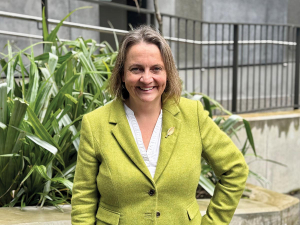
The head of the Ministry for Primary Industries (MPI) trade and international relations group says New Zealand is well-positioned to secure trade access and compete internationally as the world becomes more complicated, demanding and uncertain.
Northland farmer Greg Collins has taken over as chair of the Fonterra Co-operative Council.
The head of global dairy organisation, International Dairy Federation (IDF) is calling for accurate use of ‘dairy' term.
Be alert but not alarmed about El Niño. That’s the message from Professor Danny Donaghy, deputy head of the Massey University’s school of agriculture and the environment.
Farmers opposing rural trader Farmlands’ investment in AgriZeroNZ are warning the co-operative board not to brush away their concerns.


OPINION: It seems Canterbury processor Synlait is still in the doldrums.
OPINION: Get offside with New Zealand First leader Winston Peters at your own peril.




