Vintage 2026: Early Harvests and Outstanding Wine Quality Across New Zealand
As a harvest buzz rolls down the country, Sophie Preece gets some vintage views.




 increase font size
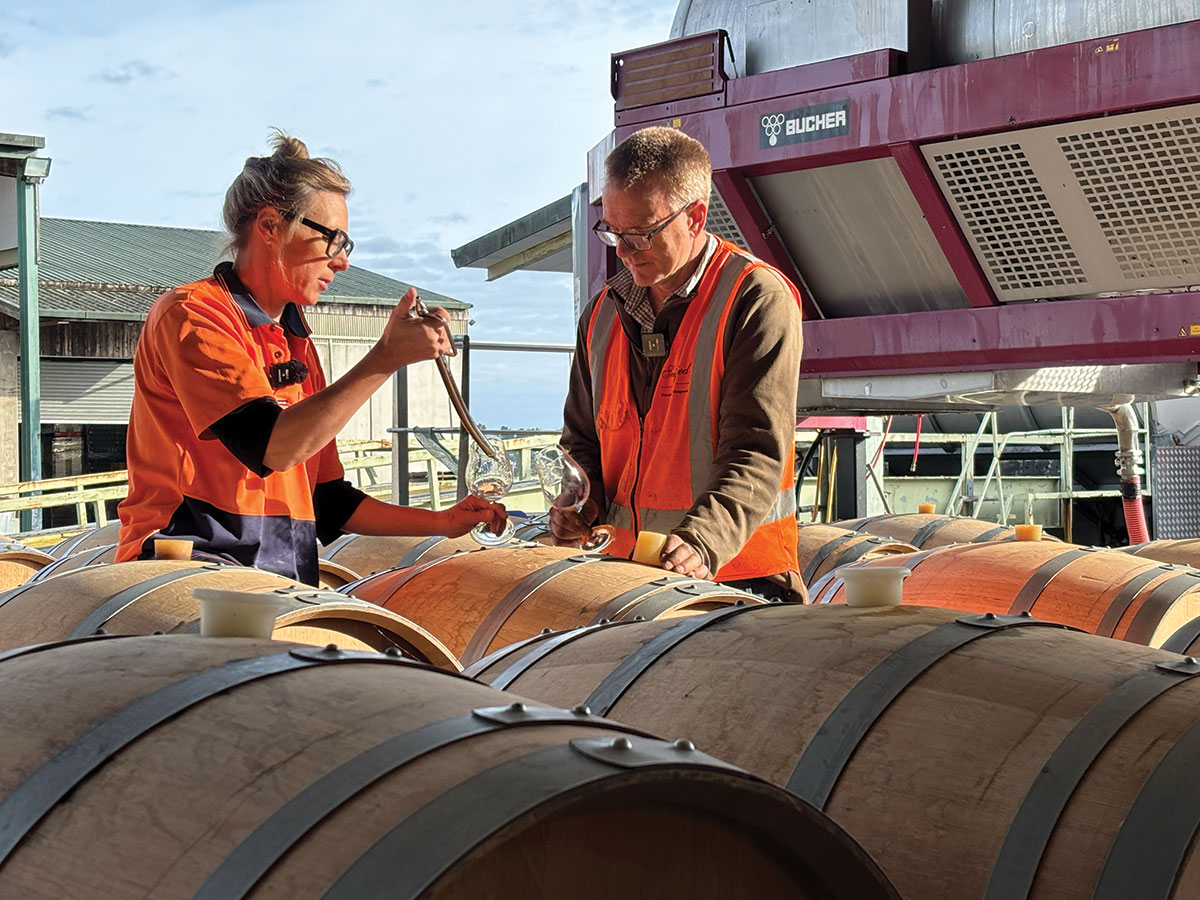
 Central Otago had “a challenging and unique vintage for sure,” says Amisfield Chief Winemaker Sam Davies. “But hopefully one we will look back on fondly.” Photo credit: Anda Bulgakova for COWA.
Vintage 2026 yielded excellent fruit for most New Zealand wine regions.
But tough times in wine are taking their toll, with lost contracts, unharvested blocks and a reduction in vineyard land. Sophie Preece looks at harvest and beyond.
Viticulturist James Dicey could not wait to see the back of the "brutal" 2026 harvest. While most New Zealand wine regions enjoyed a "blinder of a vintage", Central faced "very challenging" conditions, a "very abnormal ripening phasing", and vine-dropping frosts in the midst of harvest, including a -6C morning in Bannockburn on 23 April.
Those are "Elvis has left the building" conditions, with frost machines unable to save the vines from shutting down, says James, who runs Grape Vision. "Thankfully, the fruit was ripe... we got through it and the fruit was looking good. But man, it's been a difficult delivery this year."
Speaking on 12 May, with a handful of later harvest blocks still to come in, he says the unusually cold and dry year has potential to create more interesting wines, thanks to slower sugar accumulation. "You tend to get earlier flavour and really interesting, tight, acidic wines. Whether we achieve that this year, the proof is in the tank."
After five relatively easy years, the vintage was "a nice reminder of what Central Otago can bring, in terms of Mother Nature", says Donald van der Westhuizen, Chair of the Central Otago Winegrowers Association. That included gale-force winds in spring, inconsistent flowering in some areas, then a persistently cool growing season that saw harvest dates pushed out by two weeks, or more.
According to VineFacts, there were 90 fewer growing degree days (GDDs) in Central Otago than the 1,068 GDD long-term average for the period from 1 September to 30 April, and 170 fewer than the 2024/25 season. "Summer never really showed up", Donald says, noting that very few days reached 30C. "Normally we have a lot more than that during the early January, February period." Donald, who has his own Bendigo vineyard and wine label, Moko Hills, and works as a viticulturist at Grape Vision, says the cooler vintages typically yield more interesting wines, referencing Central Otago's 2020 and 2017 harvests, which produced "very intriguing" and textural wines. "I would imagine '26 will be very similar."
Amisfield Chief Winemaker Sam Davies says March and April weren't hot, but they were consistent and even, proving a saving grace as flavours developed. "Longer hang time resulted in good depth of flavour and savoury elegance in our Pinot - somewhat akin to the cooler 2017 vintage which is a fav." A hard frost towards the end of April "put a full stop on the season", but those who were able to manage yield and disease pressure will be rewarded with their wines, he says.
Donald says morale is relatively good. "I know everyone's well aware of the challenging times within the wine industry, but I don't think that's necessarily holding anyone back. I think there's probably more motivation, from my perspective, to just work harder and push harder." Meanwhile, Central is fortunate in terms of positioning, price point and volume, and still has "plenty of potential", he says. It isn't an easy industry right now, "but hard work does pay off".
With Vintage 2026 in the tank, New Zealand's wine industry is looking at the blocks left unharvested, mothballed, redeveloped or repurposed as tough times continue to bite. Gisborne's industry could be facing the loss of half its vineyard land as growers lose contracts, while 400 hectares of North Canterbury's 1,500ha vineyard holding was left unharvested this year, with more than 200ha of that now sold for farmland.
Marlborough is heading towards the 2027 vintage without knowing how many blocks are uncontracted, nor the capacity of wine companies going forward, says viticulturist Stuart Dudley, of End Point Viticulture. Add to that a "moving target" of mothballed, sold or redeveloped vineyards, and the region's potential crop is an unknown. "Everything is so fluid," he says.
In Hawke's Bay, Ollie Powrie reflects on a beautiful harvest, alongside the "distress" of seeing so many vineyards not in production and fruit not being harvested, "especially for those affected".
It's a grim picture, but New Zealand Winegrowers Chief Executive Philip Gregan says he expects to see increased production of New Zealand wine in the longer term, "because there is demand for our wine in key markets".
That's not to "underestimate the current pain, because that's very, very significant overall", Philip says. "But if you look at the wine styles that they're producing, what people want to drink, in terms of wine, we're in the right spot. We're in the right place, and that's a very good position, ultimately, for the industry to grow and prosper over the medium to long term."
The Waitaki Valley had GDDs similar to 2025, and a harvest coinciding with Central Otago's delayed season, resulting in labour supply challenges, says Te Kano Winemaker Dave Sutton. There were a couple of "scary" frost and snow events early in the season, "but the majority of growers emerged unscathed", says the chair of Waitaki Valley Winegrowers. Summer was generally cloudy, with regular rainfall boosting botrytis infections, and a number of growers picked earlier to dodge the weather. "Clean and green was the approach for many." Tonnages for Pinot Noir and Chardonnay were slightly down, "and the wines will be light, fresh and delicate, with some focused acidity in the Chardonnay," Dave says.
There is some land loss - "with dairy prices so strong it's hard to hold out when your neighbours come knocking" - but positives in the region as well, including The Lindis group investing in luxury vineyard accommodation. "I think it's just hard for everyone right now," Dave says. "We all just need to focus on doing more of the things that are working and less of the things that aren't. And get out on the streets and sell wine!"
North Canterbury had a challenging season, with the switch to late summer sunshine coming a little too late, says Matt Barbour, who expects to see more lower alcohol wines from 2026. That's a direction many in the region have been taking in recent years, "but this year it was forced on us a little bit".
Matt, who is North Canterbury Winegrowers Association Chair, says the region had a "cracking start", without any significant frost events. "So all the buds that were on the wire managed to push through for the first time in quite a few years." Fflowering occurred in late November and early December, with good fruit set in the lead up to Christmas, "and what we had on the vine was looking really, really good".
Grey, cold and wet weather descended from Christmas and stuck through January, requiring vigilance in vineyards, with spray rounds after each wet period, while opening up canopy to mitigate disease pressure. The weather improved in February, but the reprieve was largely too late for the cooler North Canterbury region, requiring a lot of people to either leave fruit hanging, and hope that it would hold on under the nets to get to the target sugar level, or pick a little earlier for lower alcohol wines, Matt says.
Meanwhile, the region's winegrowers are pondering a major shift in landholdings, with 400 hectares of vineyard, over four sites, unharvested or harvested to ground this vintage, Matt says. Two of the vineyards have been sold for farmland, while two others are currently leased. With just under 1,500 producing hectares in North Canterbury, "if you stop producing 400 hectares it's quite significant", he says.
 |
|---|
|
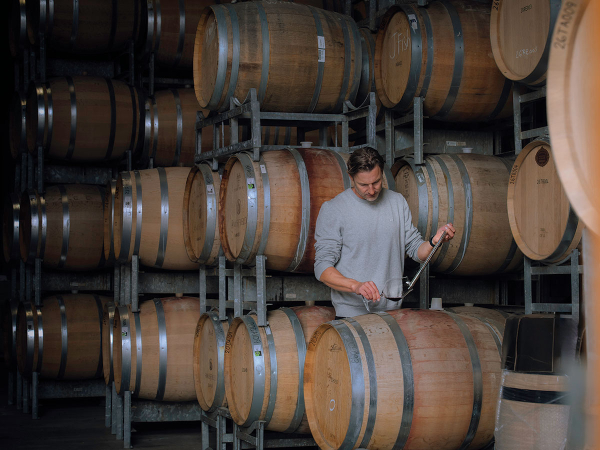
Heidi Seifried-Houghton and Chris Seifried with vintage 2026. A settled start to the Nelson season delivered beautifully pristine fruit across all varieties, they say. |
Nelson's 2026 vintage was "very high" quality, says Nelson Winegrowers Association Chair Blair Gibbs, reflecting on a series of harvest-helpig events. The region had a wet spring, with fairly typical temperatures, and flowering was quick, resulting in even bunch set. There was then a good, fine spell from Christmas on, avoiding the dreary weather faced by many regions.
Many growers had dropped to two or three canes over winter to manage yields, so vines were balanced heading towards vintage. As harvest approached, the region enjoyed a good diurnal temperature range, not typical for the region, with slightly cooler nights a boon for fruit and flavour development, he adds. “Everything was clean and ripened well.” The harvest was largely in by the time Cyclone Vaianu brought rain to the top of the south, with some later red varieties still on the vine.
In another positive, the region had a “very, very good” summer tourism season, lifting the fortunes of hospitality. However, market challenges are definitely causing pain for the wine industry, with exporters dealing with delayed orders, as the market absorbs extra production, and the domestic market “price challenged”, with “good volume moving at discount rates”.
“The winemaker in me is absolutely thrilled with the harvest,” says Hunter’s Winemaker James Macdonald. “Particularly given where we were at early February, when we thought it was going to be extremely challenging because of all the rain that we had had during the growing season.”
All was forgiven when the sunshine strolled in in February, heralding a stretch of blue-skied days and chilled nights through to the end of March, in classic cool-climate conditions. “We were reminded once again, why we live and work in Marlborough, James says. “Because the sun came out and we had the most amazing harvest ever.”
According to Victoria Raw from the Bioeconomy Science Institute, Marlborough had 108mm of rain in January. But great weather in spring and early autumn made up for that dreary period, with 1,492 GDDs between 1 September and 30 April which is nearly 195 GDDs more than the long term average. The result was high quality wines across all varieties, along with good (but not too good) volumes, says James, who is also chair of the Marlborough Winegrowers Association. “It’ll definitely put a spring in our step, as we head into market with really great 2026 wines.”
Times are tough in the industry, but Marlborough can benefit from the trend of people drinking less, but drinking better, James says. “We’re lucky enough to fit into that category. So we’re optimistic there’s still business to be done.” And while there’s undoubtedly pain, “I think people can find some comfort in the fact that when you go to Blenheim airport, what we find is winemakers off overseas to work their markets,” he says. “There’s a lot of work happening at the moment to turn the ship around.”
 |
|---|
|
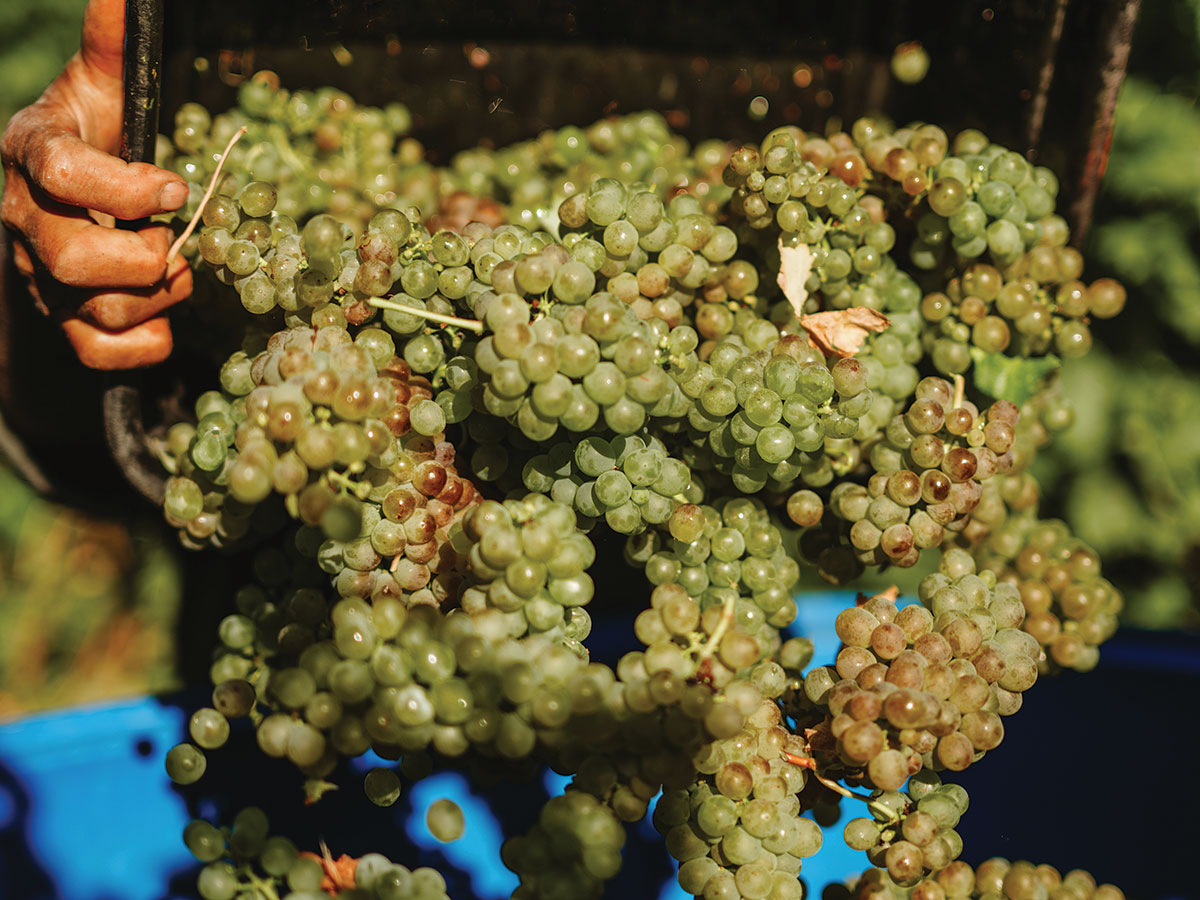
Babich Wines 2026 Marlborough harvest. Photo Credit: Lola Photography |
Marlborough Sauvignon Blanc is a shining light in globally tough times, James adds. “We still make a wine that people want to buy and want to drink, which is very fortunate.” With that in mind, he’s a strong advocate for Wine Marlborough’s work to grow industry pride in Sauvignon Blanc. “We really challenge everyone to get behind Sauvignon Blanc because it’s such an important variety for Marlborough and an important wine for New Zealand. Be proud of it.”
James says a recovery will also require the winegrowing model to change, particularly around price fluctuations for grapes and bulk wine. “It’s become clear how fragile the whole industry was in terms of really erratic pricing year to year,” he says. The industry needs to “rethink” how that works, “and give our buyers more confidence that Marlborough is a stable grape growing region”. There’s a place for bulk wine, which creates availability and helps people understand what Marlborough is, “and then the high end lines benefit from that”, James says. But the industry “reset” will require a longer term view to protect its success.
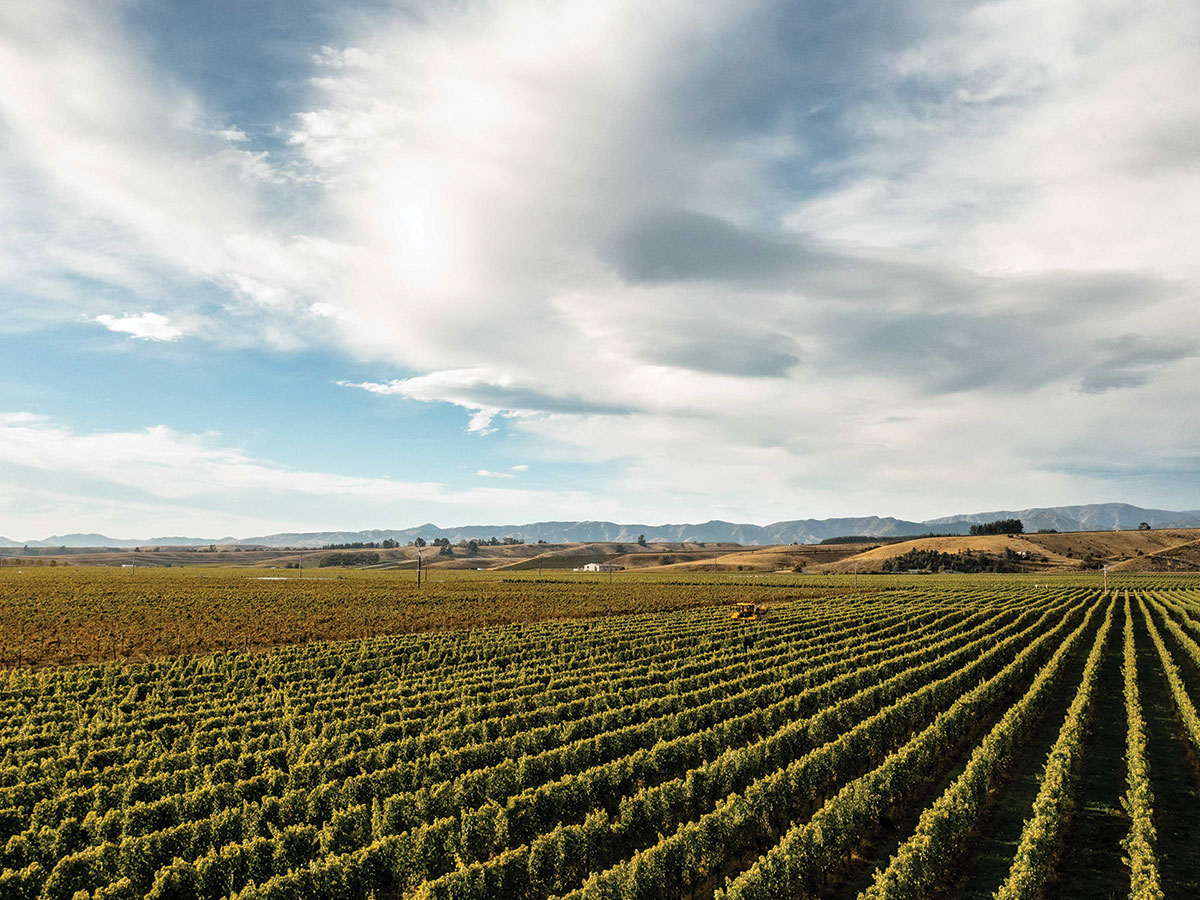
Spy Valley began its harvest with Pinot Noir for table wine on 24 February, followed by lower alcohol Sauvignon a few days later, with the main harvest between 12 March and 28 March. Adam McCone, Head of Viticulture & Winemaking, says fruit flavours hit the mark across all varieties, with the standout Sauvignon Blanc, which makes up 80% of their portfolio, while Pinot Noir offered more “fruit forward flavours”. The company is finding sales volumes rebounding, with “green shoots” likely boosted by winning a bevy of gold medals and Winery of the Year New Zealand at the recent London Wine Competition.
 |
|---|
|
Spy Valley 2026 harvest |
Marlborough is heading towards the 2027 vintage without knowing how many blocks are uncontracted, nor the capacity of wine companies going forward, says viticulturist Stuart Dudley, of End Point Viticulture. Add to that a “moving target” of mothballed, sold or redeveloped vineyards, and the region’s potential crop is an unknown. “Everything is so fluid,” he says. What is clear from his conversations with clients is that the number of people off contract seems to be growing, and may continue to do so.
Everybody’s situation is different, depending on the age and quality of the vineyard, Stuart says. For those on blocks that are 25 years or older, the decision to pull vines out may be an easier one, perhaps to redevelop or look at a change in land use. “Some people might choose not to replant and wait to see what happens in the market.” Others without contract might be fallowing vineyards, with minimal inputs, waiting out the downturn. Mothballing reduces cost, “but it’s definitely not a zero cost option”, Stuart adds, explaining that growers will need to maintain minimal pruning and spraying. “Because it can be quite hard to bring a vineyard back into production if you’ve simply walked away from it for a time.”
Those growers who have retained contracts need to focus on quality, “and work really closely with your winery to make sure you’re delivering and maintaining that relationship”, he says. “It’s so competitive out there.”
Wine Marlborough General Manager Marcus Pickens says understanding the region’s capacity for 2027 will be difficult, “because there’s just so much noise in any data at the moment”. The Vineyard Register is unlikely to capture true production hectares, given the rate of change. “It’s hard for industry bodies to model up these numbers and it’s also difficult for growers to give accurate information, because their intentions could rapidly change, or they could be holding on in the hope something happens differently.”
Meanwhile, there are plenty of vineyards on the market. Bayleys Marlborough Salesperson Tarin Mason says some vineyards without contracts, or with older vines, are possibly sitting closer to land value, and sales are taking more time to complete, particularly for smaller “lifestyle” blocks that don’t offer a high return on investment. “We are still seeing vineyards transact, albeit at a lower price point than five years ago, when quality properties might have been $400,000 or more per hectare”. He says there is always high demand for Marlborough lifestyle, and the current climate presents opportunity for those owners who have seen their vineyard through a full lifecycle to remove the vines, returning their properties to a lifestyle proposition before going to the market. “Others are sitting tight, with the intent to see out the downturn”.
Stuart Dudley is one of the presenters at the WinePro conference, running from 23-25 June. winepro.co.nz/winepronz-2026-conference-schedule
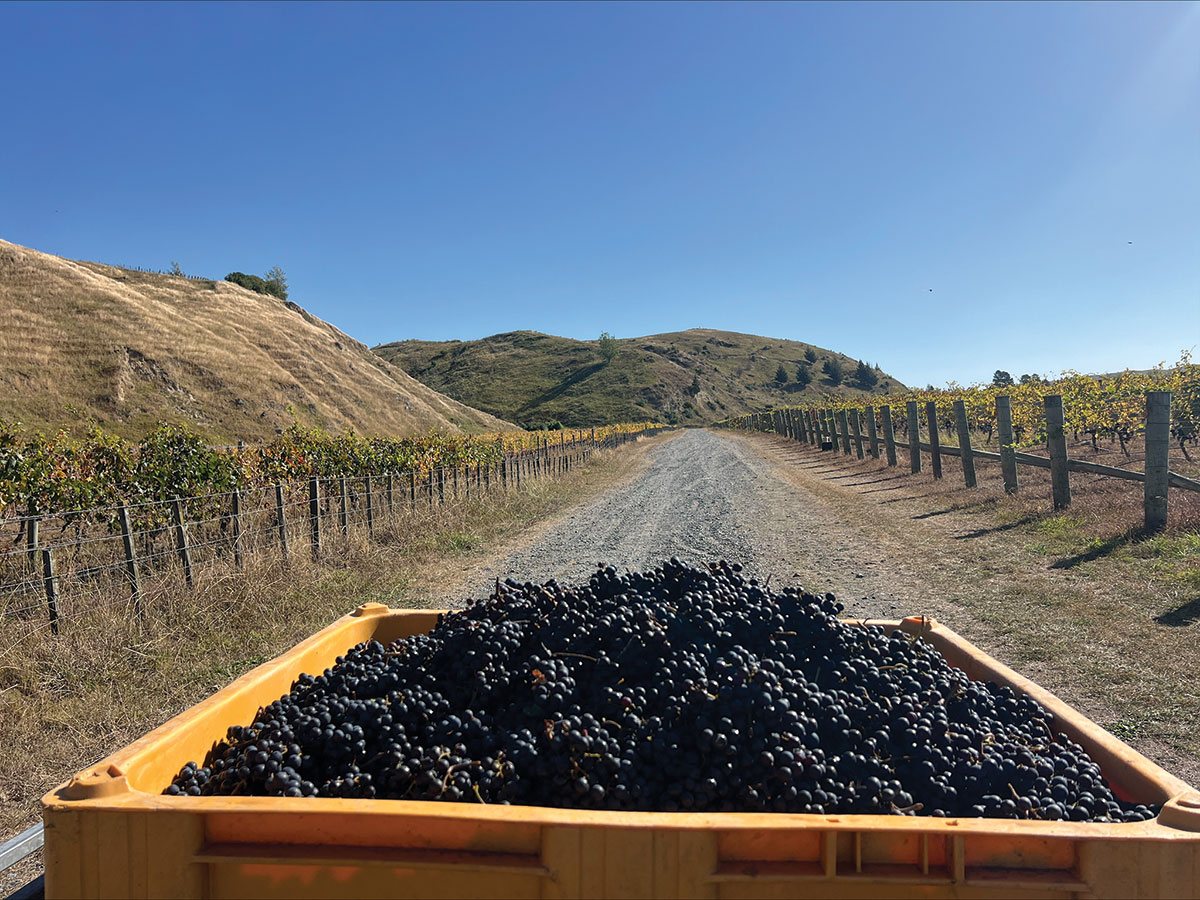
Ata Rangi Winemaker Helen Masters says the Wairarapa season started warm then slowed right down, with a cool January and February, and “slightly wetter conditions than we’d love”. But a “beautiful” eight weeks in late summer and autumn redeemed the season, with long slow ripening and “very good” fruit. There was a bit more sorting required in some vineyards, “but on the whole the quality is really good”, Helen says. “For me there is more clarity, more precision than 2025 even.” Quantity was not high, but nor was it really low, like 2021 and 2024, she adds. “We’re pretty happy with what we’ve got in the tank and wines have lots of energy and brightness, and have great varietal clarity to them.”
 |
|---|
|
Chateau Garage Vintage 2026 |
As wine regions grapple with challenges, Wairarapa has a resilience born of longstanding tight times. As a low yielding region, there’s never been large growth, so nor is there large retraction now, Helen says, noting that most who have been operating there for a long time “are very realistic”.
Having Wellington “on our corner” remains a boon for companies, many of which rely heavily on cellar door and direct sales, rather than exports. Amid the cost of living crisis a trip to Martinborough is still very reachable for those in the capital, she adds. “It’s easy to get yourself around, you can walk around or you can hire a bike, and that doesn’t cost you a lot. It’s still achievable to take your family over and go out for lunch.”
Despite benign weather and good-quality fruit in Vintage 2026, Gisborne’s wine industry is facing a grim outlook, with indications that at least half the region’s vineyard area will be removed. Hamish Jackson, General Manager of GisVin Winery and GroCo, says the region is “really hurting”, with untenable price pressure on wine, plummeting demand for grapes, and an inevitable decline in vineyard land use. “There are some small positives, but the growers are not feeling it yet.”
In May this year, Indevin Group made the “difficult decision” to exit grape supply from Gisborne ahead of the 2027 harvest. Chief Executive Simon Limmer says the company, like much of the New Zealand wine industry, is navigating challenging market conditions. “This decision reflects declining demand for Gisborne fruit and the need to align our supply base with confirmed customer demand and long-term portfolio priorities.” The future role of Indevin’s Gisborne winery is also “under review”, Simon says. “As New Zealand’s largest wine company, we recognise our responsibility to help lead the industry through these conditions, and we remain focused on the long-term sustainability of our business and the New Zealand wine industry.”
 |
|---|
|
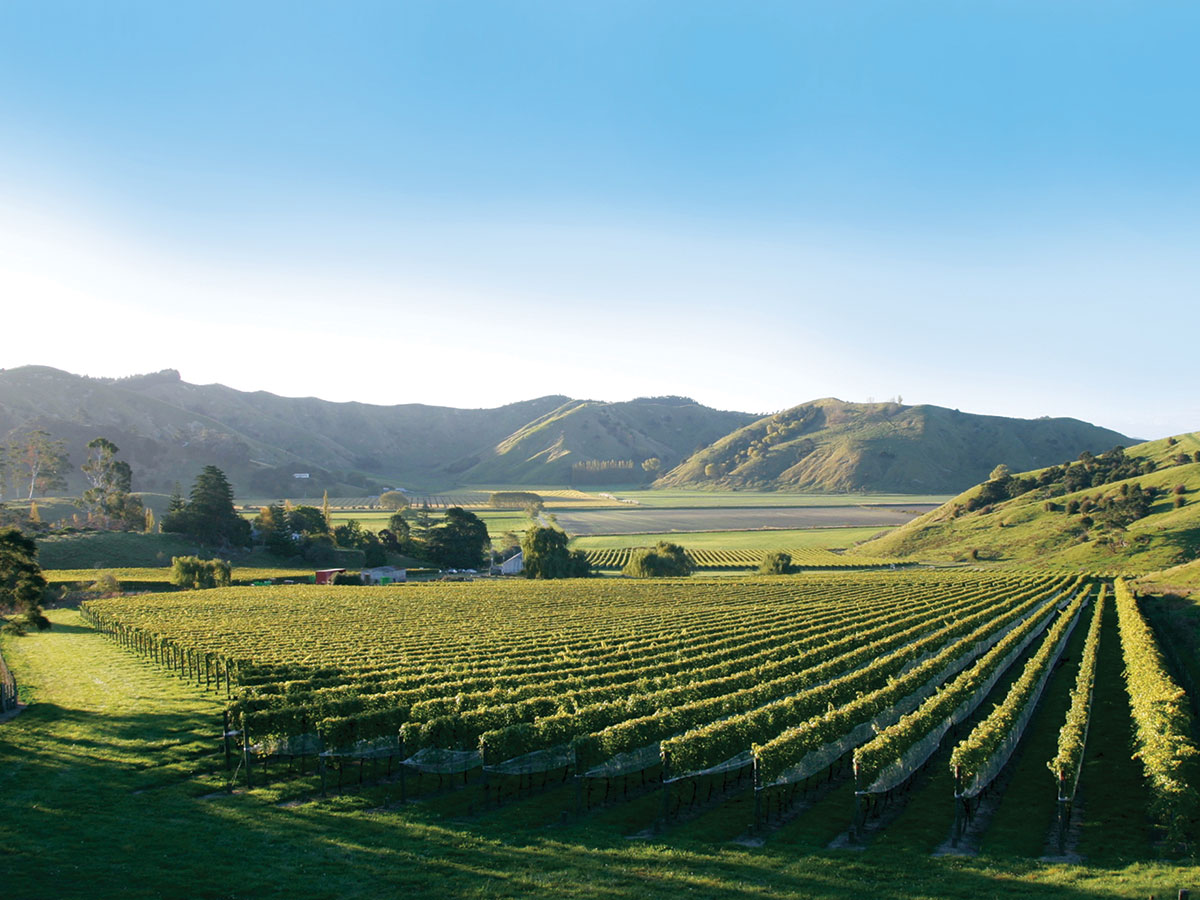
Villa Maria |
Meanwhile, GroCo recently told its growers it is looking at offering no initial payment for next year’s crop. Instead, growers will receive payment once the wine has sold and winemaking costs have been recovered from those sales. “We just can’t keep selling wine for less than it costs us to produce,” Hamish says. GroCo, which operates under a winegrowers’ cooperative model, was established in 2009 during another period of oversupply. Seventeen years on, the current oversupply and declining demand saw GroCo more than halve its per-tonne payments this season, alongside stricter production caps. In a strong year, those payments would normally be supplemented by a share of profits, but after several years of significant losses, with wine sold below the cost of production, the organisation is facing difficult decisions.
GroCo has a grower base covering 346 hectares and Hamish understands 35ha have already been removed, with approximately 117ha likely to be pulled out before the next harvest. Others are expected to put vineyards “to sleep” until conditions improve. Hamish, who is on the board of Gisborne Winegrowers, has been canvassing on behalf of that organisation. As of 12 May, he had heard that around 50% of the region’s 1,265ha of vines could be removed. He plans to follow up with a discussion paper for industry members outlining the potential financial implications for the region, including likely income losses for growers, wineries and support services. Those findings will then be shared with central and local government, as well as New Zealand Winegrowers.
Hamish says there are some small green shoots for the cooperative, particularly through the development of branded wine rather than relying on client wine production and bulk supermarket sales. However, that is unlikely to stem the flow of vineyard land being redeveloped for alternative uses, including maize, apples and kiwifruit. There are limitations to those alternatives, including the fact that dry-farmed vineyards would require irrigation for many other crops, along with the substantial licensing costs associated with kiwifruit. “It’s not necessarily a goer,” Hamish says.
Despite the extraordinary headwinds, he ends on a positive note. “The district has been through this before and come out the other side, so fingers crossed we can do that again.”
Matawhero Wines owner Kirsten Searle, who also sits on the board of Gisborne Winegrowers, says it’s been “disheartening” to see the recent announcements in the region, and the impact on many long standing growers in Gisborne. “Our thoughts are with those affected. At the same time, demand for premium Gisborne wines continues to grow, with markets valuing the region’s vibrant fruit, fine acidity and distinctive texture,” she says. “Our priority remains championing Gisborne and strengthening demand for the exceptional grapes grown here.”
Hawke’s Bay had one of the warmest and earliest seasons ever, says Hawke’s Bay Wine Deputy Chair Peter Hurlstone. “A lot of people finished before the end of April, which is extremely early”. Quality is “very good” across the board, he adds, “which you’d expect given the season that we had”. Crop levels were “solid”, but Hawke’s Bay is not isolated from the challenges facing the industry currently, and not all fruit was harvested. “For some members, and in particular some growers, it’s a very challenging time,” Peter says. However, New Zealand remains a strong category, and so does Hawke’s Bay, he adds, referencing the diversity within the region, and relevance of high-end wines. This is a tough period, but people remain optimistic that the region has a good base from which to grow, Peter says.
Ollie Powrie, of Chateau Garage, says Hawke’s Bay had an incredible season overall, ending with “amazingly ripe and delicious” red grapes. “I just kept going back to vineyards in the Gimblett Gravels to re-experience the joy of the Cabernet Sauvignon, Merlot and Cabernet Franc,” he says. “It was one of few years that I can remember where the tannins were so ripe and evolved that it was spellbinding, especially in combination with the intense flavours.” The result is that Chateau Garage has had a record vintage of red winemaking, he says in mid-May, having finished pressing to barrel.
On the flipside of that harvest joy was the distress of seeing so many vineyards not in production and fruit not being harvested, “especially for those affected”, he says. Ollie notes that the season revealed a move away from barrel pruning vineyards across the board as a mothballing technique. “There were some disappointing results the previous year, and vine structure and hygiene seem to be compromised.” This season he saw more “judicious” approaches, including pruning back to spurs in the head of the vine. “Particularly in the lighter soils and Gimblett Gravels this appears to have been very successful,” he says. “With minimal spraying these low cropping vineyards remained clean and in some cases the fruit quality was mind blowing.” He sees potential for the approach to evolve into a pragmatic “hybrid” for lower production vineyards looking for reduced vineyard production and lower overheads. “Certainly wine quality seemed to be the winner from what I experienced.”
Hawke’s Bay Wine Chief Executive Brent Linn says change of land use in Hawke’s Bay is a “continuing evolution”, but “there’s no immediate substantial land change in the prime viticultural areas”. Areas with lifestyle and residential attraction have lost some (mostly smaller) vineyards, while the “evolution” has already occurred on the heavier soils of the plains, with a shift to apple production over the past decade. The withdrawal of the McCain vegetable processing plant from the region means cropping is a less likely land use change now. Instead, grape growers looking to reduce costs and “wait for a clearer picture” are mothballing their vineyards, with fewer cost inputs, he says. “I guess those operators are looking for signals from market to make decisions about what they may do.”
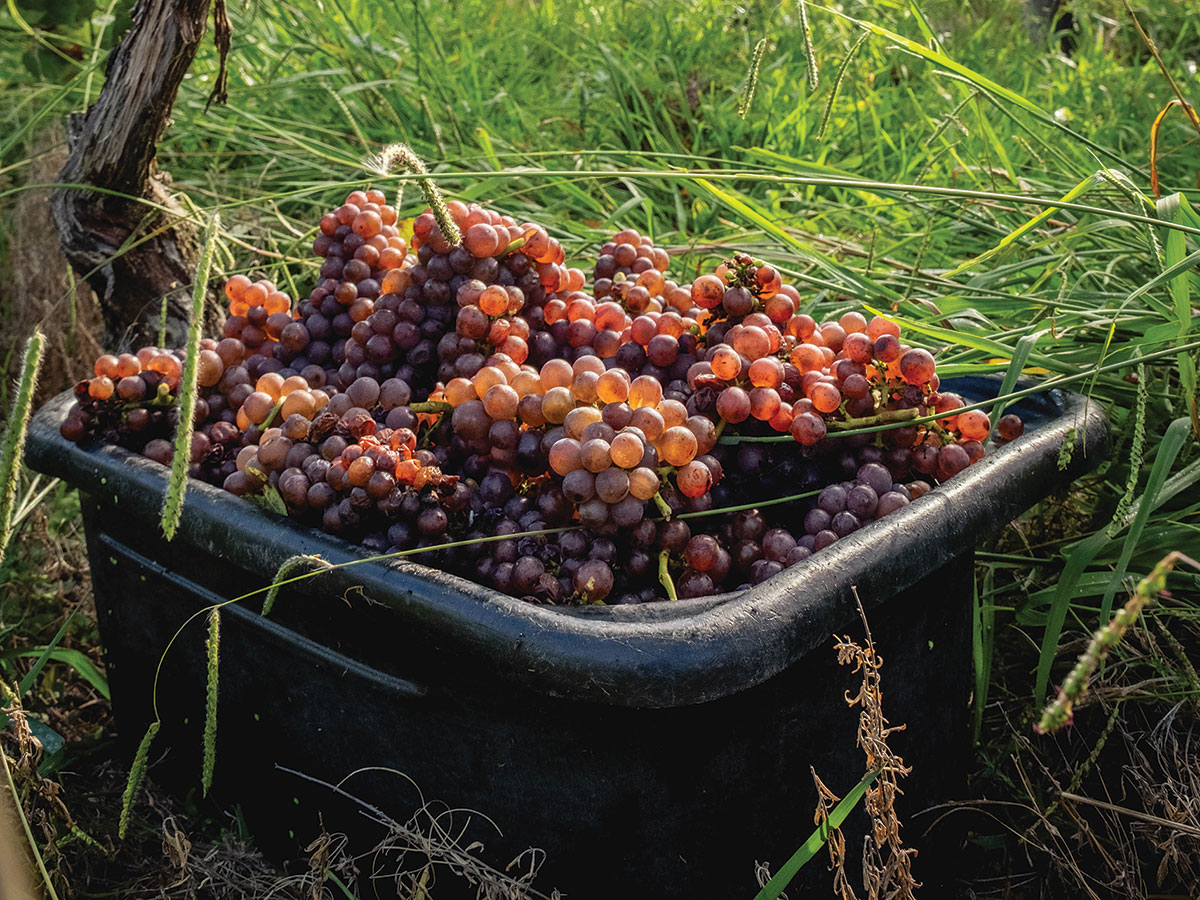
The 2025/2026 growing season kicked off like a “pretty typical vintage” for Kumeu, says Soljans Estate Winery Vineyard Manager Tai Nelson. “Temperatures were perhaps slightly lower than normal, and there was a bit more rain during flowering than we wanted, but crop levels were up and bunches were looking healthy in December.” Then they were hit by a “huge dump of rain in the middle of January”, with 180mm in a single week almost doubling the total rainfall in December, resulted in some split berries, he says. “Consistent light rain in February meant nothing really dried out, and the decision was made to harvest the Chardonnay a week early to preserve quality.”
 |
|---|
|
Soljans 2026 harvest |
Tai notes that it was “incredibly sad” to see growers leave fruit on the vine, or abandon blocks altogether, due to the oversupply. “It’s reinforced the need to focus on quality over quantity for a producer like New Zealand, especially for independent growers like us.”
Northland’s grape crop was down on the previous year, thanks to a wet and humid growing season exacerbated by wind, which hindered spraying, says Northland Winegrowers Association Chair Kim Gilkison. However, the weather can be quite localised in the north, and some growers came through the season with fewer challenges, she says, noting that Kerikeri vineyards have a different climate to the ones further north. Harvest started “very early”, in mid-January, which meant most of the white wines were in before a major rainfall event on 17-18 January. “The fruit that was harvested has been pretty good,” she says noting good brix in whites and reds. “All in all vintage was down, but what was harvested has probably come through quite well.”
Many Northland winegrowers rely on tourism for wine sales, so that rain event, as well as a red warning storm in late March and Cyclone Vaianu in early April put the brakes on some tourism activity. “We get a lot of people coming up from Auckland, and if the roads are looking like they’re going to be closed or problematic, then they just don’t come,” Kim says. The boutique wine industry of the north is less impacted by current oversupply issues and is instead reliant on the local market and on tourism, she adds. “A good tourist season means everything.”
As a harvest buzz rolls down the country, Sophie Preece gets some vintage views.
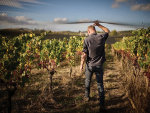
"Discombobulated vines lead to great wines", says viticulturist James Dicey, who has lamented the past five years of comparatively easy "cookie cutter" growing in Central Otago.
Te Kano Winemaker Dave Sutton, Chair of Waitaki Valley Winegrowers, looks back.
Matt Barbour of Barbour Vineyards is Chair of the North Canterbury Winegrowers Association and a true champion of the region.
Grape growers who failed to sell their crop this year will be considering their options for vintage 2026, says WK Blenheim director Hamish Morrow.


OPINION: As I approach three months in my role as New Zealand Winegrowers Chief Executive, one message has come through…

OPINION: The United States wine market has changed forever, and companies cannot use same old playbook, said Erin Kirschenmann at…
One of Australia's most decorated winemakers will speak at the Aotearoa New Zealand Chardonnay Symposium in Hawke's Bay this September.
The third Aotearoa New Zealand Chardonnay Symposium will be underway in Hastings, Hawke's Bay, on 17-18 September.
Vintage 2026 yielded excellent fruit for most New Zealand wine regions.



