OPINION: Most farmers know which company collects their milk, processes their meat, supplies their fertiliser or lends them money. But how many know that many of those same companies are investing hundreds of millions in technologies designed to intervene in the natural digestive process of our animals? Did anyone ask farmers whether this is the future they want?
Fonterra, Silver Fern Farms, Synlait, a2 Milk, ANZCO, Ravensdown, Farmlands, Alliance, ANZ, ASB, BNZ and Rabobank are all investors in AgriZeroNZ, a 50/50 public-private partnership funding methaneinhibiting vaccines, feed additives and other interventions. It has $308 million committed, with taxpayer money matching private investment dollarfor- dollar - meaning farmers and taxpayers are helping underwrite technologies from which many of these companies stand to benefit.
Before spending hundreds of millions on reducing ruminant methane, shouldn’t we first ask whether it needs reducing at all?
I am a farmer, a Farmlands, Silver Fern Farms and Ravensdown shareholder, and an ANZ customer. I expected these businesses to represent my interests. Instead, this is being decided inside the very businesses we own, supply and depend on.
Fonterra deserves particular scrutiny. Having committed up to $50 million, it has added another $31 million and says it is “preparing to adopt novel technologies as they become commercially available.” It lists “Vaccines” and “Non-biological technologies” among the solutions. That isn’t just funding research; it’s preparing the pathway for adoption in its own supply chain.
But who is actually asking for this? A customer wanting lower emissions does not necessarily want meat or milk from animals given methane inhibitors, vaccines or feed additives. Which export market will close its doors if a farmer doesn’t use a methane inhibitor? Even Open Country CEO Mark de Lautour asks: “which markets and which customers?” He says food safety, not emissions, drives customer decision.
We are told these technologies are needed to ‘maintain market access’ and ‘protect trade agreements’. If that is genuine, show us exactly which markets, customers or contracts require them.
And what about farmers? In a May 2025 survey of 1460 farmers (NZ Farming, Groundswell NZ and Methane Science Accord), 93 % said they would refuse to use methane inhibitors. So who exactly is asking for this?
Are consumers really demanding these technologies, or are corporations meeting their own emissions targets and then telling farmers it’s what the market wants?
The same people often sit around multiple board tables making decisions that affect farmers. Who provides the independent farmer perspective? There is potentially an enormous amount of money to be made if methanereducing products become standard farm inputs. That doesn’t make the technology bad, but farmers are entitled to ask who profits, who carries the cost and risk, and whether they asked for it.
We are told farmers will have “tools to choose from.” But choice means little when processors offer incentives, corporates impose supply-chain requirements, banks assess emissions performance and governments set targets - all while the companies farmers depend on, fund the “fix.”
As a farmer, I’m proud of our simple system: animals grazing pasture and producing exceptional, safe food. It built New Zealand’s reputation. Are we certain that intervening with pharmaceuticals, feed additives or biotech will strengthen it rather than undermine it? Once embedded in our farming systems, supply chains and export requirements, these technologies will be far harder to reverse. We should be defending what makes New Zealand trusted, not gambling with it.
Farmers deserve answers before more public and industry money is committed. Ask the businesses you deal with what they have put into AgriZeroNZ, which market or customer is demanding these technologies, and whether they have asked their farmer customers. Raise it at your next shareholder meeting.
If farmers don’t ask these questions now, we may discover that the future of farming has already been decided - without us.
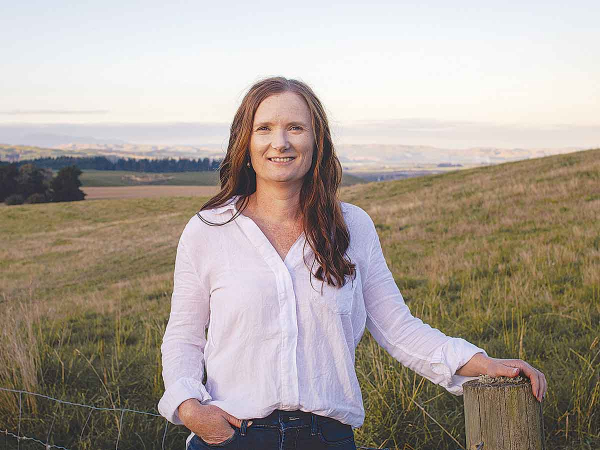
Paige Wills is a sheep and deer farmer in the Waitaki Valley