Lanaco and Blueair Launch World-First NZ Wool Air Filter
New Zealand wool is reaching new heights as air filtration companies move away from synthetic products to biodegradable alternatives.




 increase font size

WHILE THE decision of wool growers is clear, the wool levy referendum hasn’t put to bed the issues behind why it was held.
So yes, the Wool Levy Referendum was voted down, but you need to understand the margins on a per farmer basis. A 57.19% ‘no’ vote to a 42.81% ‘yes’ vote sounds decisive until you realise the numbers behind the percentages. It boils down to 3295 ‘no’ versus the 2466 growers who voted ‘yes’.
Clear, yes; decisive, no.
This highlights how much of New Zealand’s multi-billion dollar primary industries hinge on very few people. The levy packs were sent to only 12,201 growers.
While the result wasn’t as Federated Farmers preferred, the record voter turnout of 47.22% was. Not only was it up on the 39% who voted in 2009, it was way up on the 35% these kinds of votes normally attract. It also easily beat the 41.3% turnout to last year’s local elections.
So what conclusions should we draw?
For one, it shows the wool industry is split nearly down the middle. There’s a strong desire, especially among the 2466 growers who said ‘yes’, for an industry-good body. The wool industry needs to work on issues arising from the levy discussions about how we can promote and grow value.
The past 17 years tells a worrying story for wool. Lamb values have climbed some 500%, but wool has gone up only a miserly 10%. The old Wool Board deserved to be put down and the levy which followed it had lost its way come 2009.
The shame is that instead of looking at what a modern farmer-led levy promised, too many of our guys were wrongly thinking ‘producer board’.
Federated Farmers, being the only non-commercial body representing wool growers, calls on all wool industry participants to take stock.
The next step for us will be our meat & fibre council in Wellington this month where we will review the levy outcome, the past four years and, of course, our future strategy.
• Rick Powdrell is Federated Farmers meat & fibre chair.
New Zealand wool is reaching new heights as air filtration companies move away from synthetic products to biodegradable alternatives.
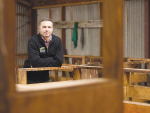
Will a stronger, more coordinated voice help rebuild confidence and improve returns in the wool sector?
OPINION: Confidence in the wool sector is rebounding as prices hit levels not seen in more than 15 years.
The recently signed free trade agreement with India is an invitation to strengthen relationships between the New Zealand and Indian strong wool industries, says Wool Impact chief executive Andy Caughey.
Strong competition and tightening supply have seen wool reach its highest prices paid at auction since 2011.
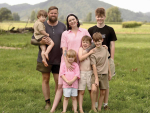
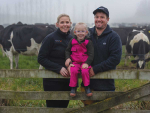
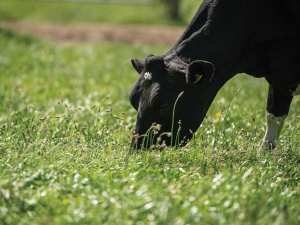
Farms across the upper North Island are trialling different pasture mixes as part of a research programme that aims to build greater resilience into farming systems.
Election years are always a concerning time for farmers, according to DairyNZ chair Tracy Brown.
The Ballance Farm Environment Awards are coming to the West Coast of the South Island.
Most dairy regions around the country have had a pretty good season so far says Tracy Brown.
Rural leader Mark Hooper has been appointed as an independent director to the NZPork board, bringing extensive farming, governance and advocacy experience to the role.

OPINION: The same mainstream media muppets that brought you Jacindamania in 2017 have been flat out pimping for the Opportunities…
OPINION: Your old mate reckons the atrocious way farmers in the UK are treated by their lords and masters in…