
Labour Vows to Change Tact on How to Handle Freshwater Rules
A Labour-led Government won’t be bringing back the controversial freshwater rules of 2020.




 increase font size
 Labour's ag spokesperson Jo Luxton.
OPINION: As a food-growing nation, few would argue that much of New Zealand's future economy lies in the growth of our food exports, and many would support the goal of doubling their value.
But the real question is not about reaching this target, it's about how we get there.
As a trading nation, our global reputation relies on our clean and green image. Achieving this requires not only bold policies and investment but a thoughtful approach that embraces our unique challenges and opportunities as an island nation.
One of the most significant recent developments the Government is steamrolling in is the Gene Technology Bill, a piece of legislation that could have damaging implications on our agricultural future.
During the select committee process, many agricultural stakeholders such as DairyNZ, the Meat Industry Association, Beef + Lamb NZ, NZ Winegrowers and farmers I've spoken with formally asked the Government for an extension on submission times to properly research and prepare their submissions on the Gene Technology Bill.
Yet, this Government has chosen to ignore these requests and continue to move through the parliamentary process to make this bill law.
There was also no cost-benefit analysis completed. This means the impact this bill could have on our export markets is largely unknown.
While the promise of the Gene Technology Bill is higher agricultural productivity and sustainability through solutions such as increasing crop yields, supporting mitigation of methane production, and creating drought-resistant crops, we must proceed with caution and be confident that we have done our homework.
If the Government truly believes farmers are the backbone of New Zealand's agricultural success, wouldn't they pause and ensure that the voices of farmers are heard? Any rushed bill risks creating unintended consequences, and with the risk of damage to New Zealand's long-held reputation as a world leader in sustainable and ethical farming, the stakes of this one are high.
Once enabled, genetic technologies are not easily reversed, and if not handled properly, they could potentially harm the very reputation we need to protect.
The idea that technology alone can solve all of agriculture's challenges might be appealing, but it's not good enough for this Government to rely on new technologies alone without considering the broader implications. This Government needs to take the time to consult thoroughly with farmers, industry leaders, and experts before rushing the bill through Parliament.
By listening to the concerns of those on the ground, we can ensure that the technologies we adopt today will benefit New Zealand's farmers, our environment, and our international reputation for generations to come. The future of New Zealand's agricultural success is not just about increasing the scale and value of production, it's how we produce it.
Jo Luxton is a Labour List MP and party spokesman on agriculture, biosecurity and rural communities.
A Labour-led Government won’t be bringing back the controversial freshwater rules of 2020.
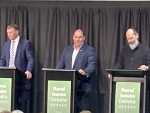
National’s much-touted free trade deal with India featured in the Rural Issues Debate at Mystery Creek, Hamilton on Wednesday night.
Federated Farmers says it welcomes Labour's commitment to reviewing the Sharemilking Agreements Act, calling on other major parties to do the same.
It was billed as a chance for all the political parties to woo the rural vote, but question marks hang over just how effective this was.
Red meat farmers are welcoming Labour’s plan to review the Emissions Trading Scheme and not to campaign on pricing agricultural emissions.



National’s pledge to introduce 19 new national standards shows the party is serious about getting Wellington out of farming, Federated Farmers says.
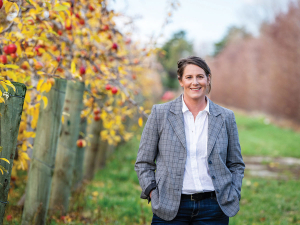
The National Party’s policies to make it easier to grow fresh vegetables, secure reliable water and energy and simplify farm planning are practical changes that will give growers the confidence to invest, according to Horticulture New Zealand (HortNZ).
Fonterra Co-operative Group chief financial officer Andrew Murray has resigned to take up a role outside the dairy giant.
A major move is about to get underway to improve the quality and viability of dairy beef and cattle in NZ.
Veterinarians say changes to the code of welfare for dairy cattle provides a positive foundation for improved cattle welfare across the country.
Today, 15 October, is the International Day of Rural Women, which recognises rural women’s contribution to farming, communities and the environment.





OPINION: The same mainstream media muppets that brought you Jacindamania in 2017 have been flat out pimping for the Opportunities…
OPINION: Your old mate reckons the atrocious way farmers in the UK are treated by their lords and masters in…




