Beef + Lamb NZ's Lambing Kit Checklist for a Tough Season
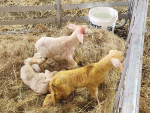
With lambing underway in many regions, Beef + Lamb New Zealand is encouraging farmers to put together a wellequipped lambing kit to help minimise lamb losses, particularly in bad weather.




 increase font size
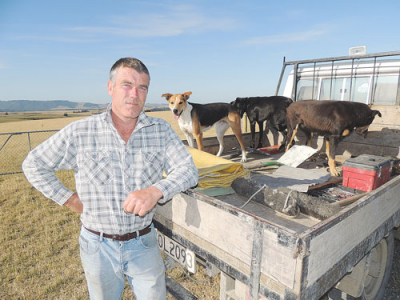 Miles Anderson.
The proof of the pudding will be in the eating following the Wool Summit, says Feds meat and wool industry group chairman Miles Anderson.
“It is a start. The problems haven’t been solved yet, but the intention and the goodwill gave me some confidence for the next stage,” he told Rural News.
Three working groups are being formed.
“I am not holding my breath, but I am certainly more optimistic about the process than I was going into the summit,” Anderson says.
“There is a sense of urgency about those who attended; they realised that if we don’t do something meaningful in good time it might be the last chance for the industry, more particularly on the strong wool side of things.”
Telling the wool story internationally needs to be done, he adds.
“We assume people know that wool comes from a sheep and it is shorn off and they grow a fleece every year. But the reality is a lot of people seem to think the animal has to die for the wool to come off it. There have certainly been campaigns in developed countries by PETA and others who like to give the impression the animal dies for the wool to come off it.”
Anderson says work is also needed on where the wool goes and what it is turned into.
“We don’t know because a lot of it leaves in wool form and we don’t know what it gets turned into and where it is sold. We are not even 100% sure of that. Whether that information is available and hasn’t been collated or whatever, the work needs to be done to define that.”
Anderson reckons there was a willingness and openness by all at the Wool Summit and representation from a large cross-section of the value chain from growers to manufacturers.
“There was certainly a positive attitude taken by everybody. “
With lambing underway in many regions, Beef + Lamb New Zealand is encouraging farmers to put together a wellequipped lambing kit to help minimise lamb losses, particularly in bad weather.

New Zealand wool is reaching new heights as air filtration companies move away from synthetic products to biodegradable alternatives.
Will a stronger, more coordinated voice help rebuild confidence and improve returns in the wool sector?
OPINION: Confidence in the wool sector is rebounding as prices hit levels not seen in more than 15 years.
The recently signed free trade agreement with India is an invitation to strengthen relationships between the New Zealand and Indian strong wool industries, says Wool Impact chief executive Andy Caughey.
Farms across the upper North Island are trialling different pasture mixes as part of a research programme that aims to build greater resilience into farming systems.
Election years are always a concerning time for farmers, according to DairyNZ chair Tracy Brown.
The Ballance Farm Environment Awards are coming to the West Coast of the South Island.
Most dairy regions around the country have had a pretty good season so far says Tracy Brown.
Rural leader Mark Hooper has been appointed as an independent director to the NZPork board, bringing extensive farming, governance and advocacy experience to the role.

OPINION: The same mainstream media muppets that brought you Jacindamania in 2017 have been flat out pimping for the Opportunities…
OPINION: Your old mate reckons the atrocious way farmers in the UK are treated by their lords and masters in…