
Major shakeup for the NZ science system
The government has announced a major restructuring of the country's seven crown research institutes (CRIs), which will see them merged into three public research organisations (PROs).




 increase font size

January-March rainfall is likely to be near normal or above normal in west and south of the South Island, but near normal or below normal in the east of the North Island.
Near normal rainfall is likely for other regions. Late-summer soil moisture levels and river flows are likely to be below normal or normal in the east of the North Island, and near normal in all other regions of New Zealand.
January-March temperatures are likely to be near average or below average in the west of the North Island, and near average in all other regions. Sea surface temperatures around New Zealand are expected to remain close to average overall over the late-summer period.
For this tropical cyclone season (November – April), the risk of an ex-tropical cyclone approaching New Zealand is expected to be near normal. On average, one ex-tropical cyclone nears New Zealand each year.
In the central North Island, Taranaki, Wanganui, Manawatu and Wellington January-March temperatures are equally likely to be near average or below average. Rainfall, soil moisture levels and river flows are all likely to be in the near normal range for the season as a whole.
In Gisborne, Hawke's Bay and the Wairarapa seasonal temperatures are likely to be in the near average range. Late summer rainfall totals, soil moisture levels and river flows are likely to be below normal or near normal for this time of year.
In Nelson, Marlborough and Buller late summer temperatures are likely to be near average. Seasonal rainfall totals, soil moisture levels, and river flows are also all expected to be in the near normal range.
In the West Coast, Alps and foothills, inland Otago and Southland, late summer temperatures are likely to be near average. Seasonal rainfall totals are equally likely to be in the near normal or above normal ranges. January-March soil moisture levels and river flows are likely to be in the normal range.
In coastal Canterbury and east Otago, January-March temperatures are likely to be near average. Seasonal rainfall, soil moisture levels and river flows are all likely to be in the near normal range.
Background
The equatorial Pacific Ocean as a whole reflects ENSO-neutral conditions (neither El Nino nor La Nina), although the Southern Oscillation Index for December dropped to -0.8. The 3-month SOI (October-December 2012) is -0.1.
International guidance indicates that the tropical Pacific Ocean is very likely to remain neutral over the next three months (January-March). All the 10 dynamical models and five statistical models monitored by NIWA forecast ENSO-neutral SST anomalies for January-March 2013 and also for the following April-June season.
The government has announced a major restructuring of the country's seven crown research institutes (CRIs), which will see them merged into three public research organisations (PROs).

OPINION: NIWA has long weathered complaints about alleged stifling of competition in forecasting, and more recently, claims of lack of transparency by the Crown-owned entity - spurred by its refusal to release information under the OIA about its conduct around Cyclone Gabrielle and the Hawke's Bay flooding.
Merging MetService and NIWA is the right thing to do, but independent weather forecaster Phil Duncan of WeatherWatch says he isn’t sure a merged entity will boost rural weather forecasting.
NIWA scientists leading New Zealand’s MethaneSAT agricultural emissions science programme are gearing up for the launch of its satellite.
OPINION: Plan for the worst and hope for the best!



The Envrionmental Protection Authority (EPA) has welcomed the deicsion by the Environmental Law Initiative (ELI) to withdraw its appeal of the High Court's decision confirming the Authority had acted lawfully when deciding not to reassess glyphosate.
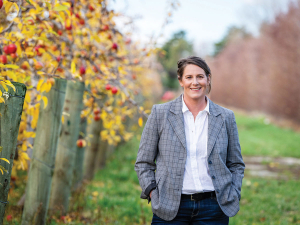
Horticulture New Zealand (HortNZ) is inviting applications for scholarships places on its 2026 Leadership Programme.
More than 640 dairy farmers and industry leaders gathered together at Rotorua's Energy Events Centre on Saturday night to celebrate the New Zealand Dairy Industry Awards where Southland couple Scott and Stacey Mackereth were named Share Farmers of the Year.
Āta Regenerative is bringing international expertise to New Zealand to help farmers respond to growing soil and water challenges, as environmental monitoring identifies declining ecosystem function and reduced water-holding capacity across farms.
Yili's New Zealand businesses have reported record profits following a major organisational and strategic transformation.
Owners and lessees of certain Hino Trucks New Zealand diesel vehicles have just 10 days remaining to register or opt out of a proposed $10.9 million class action settlement.





OPINION: When Donald Trump returned to the White House, many people with half a brain could see the results for…
OPINION: Media trust has tanked because of what media's more woke members do and say.