
The model is broken – Govt
Minister of Education Chris Hipkins concedes the timing of the Taratahi interim liquidation is tough, especially for students and staff, and he says supporting them is a top priority.




 increase font size
 Taratahi chief executive Arthur Graves.
The problems at Taratahi were laid open, prior to its interim liquidation in December, in August last year.
The major agricultural training institute's future remains in limbo after it went into interim liquidation just before Christmas at the request of its board of trustees.
Chief executive, Arthur Graves, told Rural News in August that as the farming sector generally was going through a reset so was Taratahi. Read the article (published in September) with his views here.
He said it was a financially tough time with student numbers down, yet Taratahi still had to spend money on reshaping courses to attract young people and to match the reset in the farming industry.
Graves said all vocational trainers were short of enrolments and the market was “tight and competitive” for students.
Graves told Rural News the construction industry was winning the hearts and minds of young school leavers who were heading for the big cities and not life in the country.
He also noted that at the heart of the problem was demographics — low numbers of school leavers due to the low birth rate prevailing for years.
Minister of Education Chris Hipkins concedes the timing of the Taratahi interim liquidation is tough, especially for students and staff, and he says supporting them is a top priority.
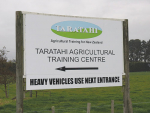
The future of the major agricultural training institute Taratahi remains in limbo after it went into interim liquidation just before Christmas at the request of its board of trustees.
The construction industry is winning the hearts and minds of young school leavers who are heading for the big cities rather than a life in the country.
Agricultural training provider Taratahi says its efforts to attract new students have paid off with solid enrolments for 2018.
Lincoln University's transfer of its Telford agricultural training operation at Balclutha to Wairarapa-based Taratahi Agricultural Training Centre has been completed, on the payment of a token $1 for the campus and other assets.


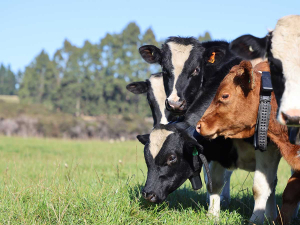
High country stations, mixed sheep and beef farms, Māori-owned farms, corporates and family operations are among the nine commercial farms taking part in the Livestock Innovation Farming Transformation programme, known as LIFT.
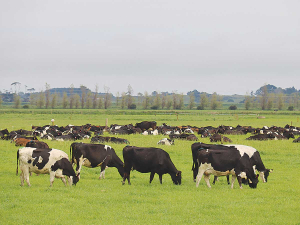
OPINION: New health and safety guidance unveiled by the Government recently provides farmers greater certainty about what is expected of them when managing risks on farm.
The National Animal Welfare Advisory Committee (NAWAC) is seeking public feedback on proposed changes to the Code of Welfare for Rodeos.
A New Zealand initiative supporting farmers to restore the health of grazing landscapes has received international backing through the Regenerative Fund for Nature, a global collaborative fund supporting regenerative agriculture and the communities that produce natural fibres for the fashion industry.
Combine premium New Zealand products, blend in a family ritual and what do you get? A world-class functional drink.
Entries are now open across eleven regions for the 2027 New Zealand Dairy Industry Awards (NZDIA).




OPINION: The same mainstream media muppets that brought you Jacindamania in 2017 have been flat out pimping for the Opportunities…
OPINION: Your old mate reckons the atrocious way farmers in the UK are treated by their lords and masters in…




