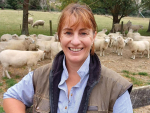
Mary Bowron Named Best Sheep and Beef Vet of the Year
B+LNZ's Wormwise veterinarian Mary Bowron has won the Best Sheep and Beef Vet of the Year Award in recognition of her outstanding contribution to New Zealand’s sheep and beef sector.




 increase font size
 NZVA chief executive Kevin Bryant
The New Zealand Veterinary Association (NZVA) says it will be working alongside the Ministry for Primary Industries (MPI) and Animal and Plant Health New Zealand (APHANZ) as they attempt to improve access to veterinary medicines.
NZVA chief executive Kevin Bryant says the Government’s push to improve access to these medicines is important, adding that his organisation will be doing everything it can to support it.
His comments follow the release of the Agricultural and Horticultural Products Regulatory Review by the Ministry for Regulation.
The review states that overall the regulatory systems are effective in managing risks, but the approval path does not always enable efficient and timely access to new products and new uses of products.
It also found that current processes can be time consuming and uncertain. It states that there are efficiency concerns relevant to the approval path where international regulators’ information is not used to the fullest extent and so-called ‘light touch’ pathways have not been fully used to ensure the proportionality of regulation.
The review included 16 recommendations to improve efficiency and transparency, reduce application queues, and accelerate assessments.
Cabinet has accepted all 16 recommendations.
Bryant says that increasing access to a wider range of veterinary products is essential for improving patient outcomes and animal welfare.
He says NZVA looks forward to seeing the results.
“While doing this work, it will be critical that any improvements maintain the balance between timely access to medicines and the evaluation required to protect animal health, public health, and the environment,” Bryant says.
Meanwhile, Animal and Plant Health New Zealand (APHANZ) has welcomed the review’s report, which was released at the end of last month.
APHANZ chief executive Dr Liz Shackleton says the primary sector needs products out of the approval queue and into the hands of growers.
“If the regulatory agencies can deliver on the direction of set by ministers, then this will help the primary sector economy to grow,” Shackleton says.
She says the real test will be how quickly regulators are able to “turn the ship around” and implement the report’s recommendations.
“We remain committed to working with regulators to make rapid progress in the direction set out, and welcome the commitment to including the sector in monitoring progress through the new Sector Leaders Forum,” Shackleton says.
“The next few months will help answer the question some of our members are asking, about whether the same agencies who have overseen the growth of the backlog are able to fix it,” she concludes.
B+LNZ's Wormwise veterinarian Mary Bowron has won the Best Sheep and Beef Vet of the Year Award in recognition of her outstanding contribution to New Zealand’s sheep and beef sector.
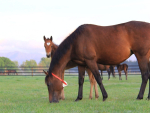
Equine veterinarians say horse owners need to stay alert and communicate with their vets following an outbreak of the highly contagious bacterial disease Strangles in the North Island.
Vets say they support the responsible use of virtual fencing and virtual herding technology for cattle and wants to work with farmers, manufacturers and government to help shape standards for future use backed by ongoing research to strengthen animal welfare outcomes.
Animal owners can help protect life-saving antibiotics from resistant bacteria by keeping their animals healthy, says the New Zealand Veterinary Association.
Around 97% of New Zealand pet owners value the care provided by their vet teams, but the broader contribution of animal health professionals to society often goes unseen, a new study has revealed.



National’s pledge to introduce 19 new national standards shows the party is serious about getting Wellington out of farming, Federated Farmers says.
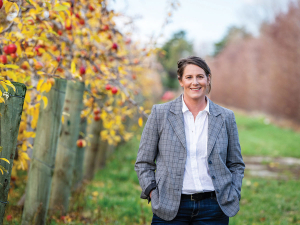
The National Party’s policies to make it easier to grow fresh vegetables, secure reliable water and energy and simplify farm planning are practical changes that will give growers the confidence to invest, according to Horticulture New Zealand (HortNZ).
Fonterra Co-operative Group chief financial officer Andrew Murray has resigned to take up a role outside the dairy giant.
A major move is about to get underway to improve the quality and viability of dairy beef and cattle in NZ.
Veterinarians say changes to the code of welfare for dairy cattle provides a positive foundation for improved cattle welfare across the country.
Today, 15 October, is the International Day of Rural Women, which recognises rural women’s contribution to farming, communities and the environment.





OPINION: The same mainstream media muppets that brought you Jacindamania in 2017 have been flat out pimping for the Opportunities…
OPINION: Your old mate reckons the atrocious way farmers in the UK are treated by their lords and masters in…




