DairyNZ Strategy Review: Farmer Feedback Closes 15 Nov
Farmers have until the end of this week to help shape DairyNZ’s future focus.




 increase font size
 DairyNZ says attendees will now need to present their My Vaccine pass at its in-person events.
Unvaccinated dairy farmers won't be able to attend in-person events run by DairyNZ.
The industry-good body says it is following the guidance of the Government's Covid protection framework or the 'traffic light system'.
DairyNZ's general manager farm performance, Sharon Morrell, says this means attendees will need to present their My Vaccine pass at DairyNZ run in-person events.
"Since the first lockdown, DairyNZ has also been offering many of our events online, as farmers have told us they like to have a choice whether to attend in person or virtually," Morell told Rural News.
"We will continue to review how we host events over the coming months, should government guidance change.
"Like other event organisers nationwide, our priority is providing a safe environment for those attending, and most farmer feedback we have received, so far, supports this approach."
Morrell says it's important that DairyNZ listens to farmer feedback and provides them with different options to access its services.
"We engage with farmers in a range of ways, including in-person meetings, farm visits, emails, phone calls and video conferencing. We provide information and resources, undertake research to provide farmers with solutions, and provide events."
DairyNZ is developing a new website - its busiest farmer channel.
"We are also focused on making our services more accessible to farmers, for example, we now offer regular podcasts and are shifting to make more use of videos and social media, based on farmer feedback," says Morrell.
Farmers have until the end of this week to help shape DairyNZ’s future focus.
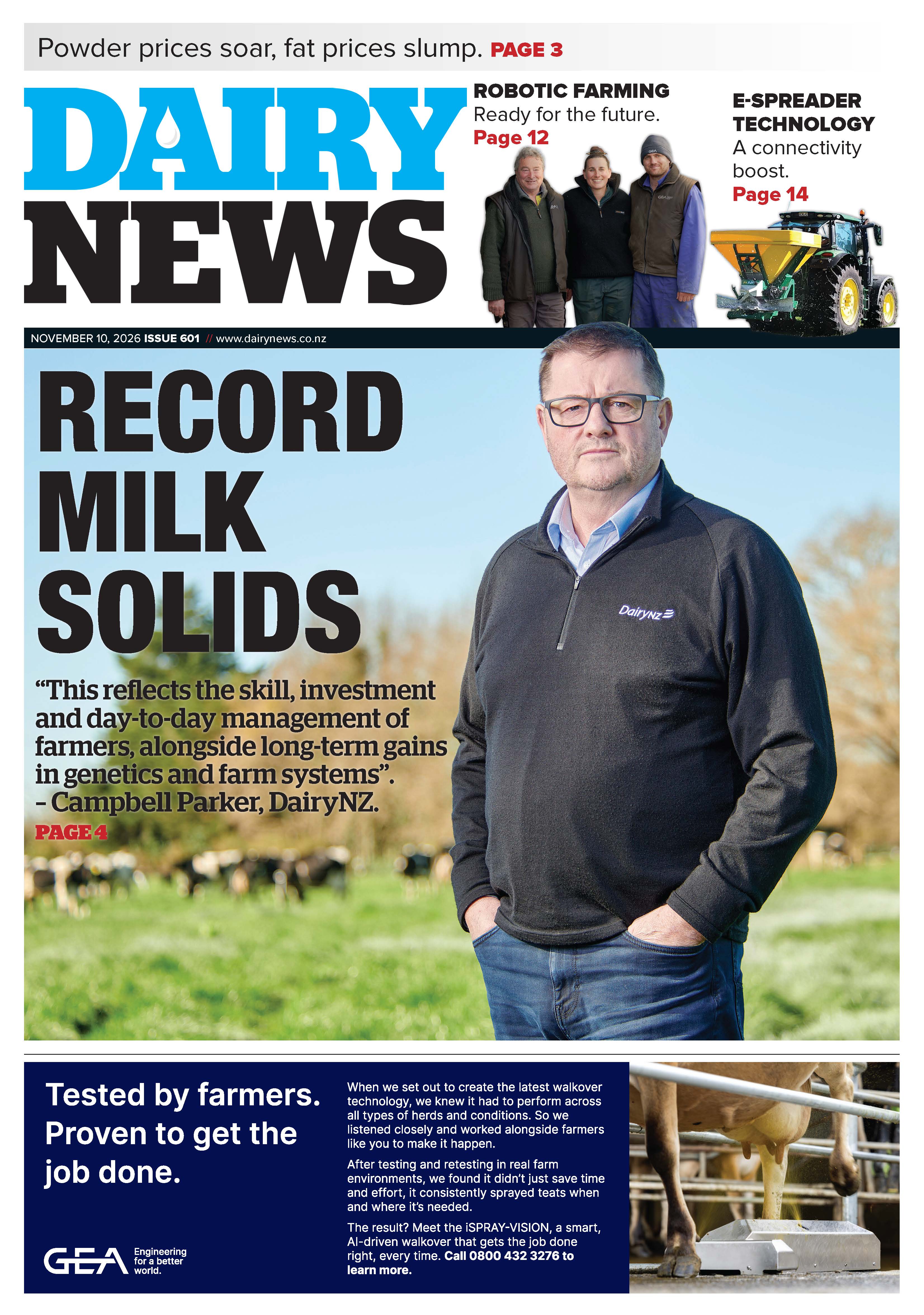
The New Zealand dairy sector set a record in the 2025/26 season, producing more than two billion kilograms of milksolids for the first time.
Students will be able to study Agriculture and Horticultural Science from Year 11, creating a clear pathway into Years 12 and 13 and future careers in New Zealand’s primary industries, Education Minister Erica Stanford says.
OPINION: New Zealand dairy is delivering. In the year to June, dairy exports earned a record $28.8 billion for New Zealand. They were part of a record $65.2 billion earned by our wider food and fibre sector.
Today, 15 October, is the International Day of Rural Women, which recognises rural women’s contribution to farming, communities and the environment.

Halter has launched Mav, an AI farming assistant that lets dairy farmers ask questions about their herd and pasture and get answers drawn from the data the company’s collars already collect.

OPINION: At first glance it appears that Father Christmas has delivered the rural sector good tidings, with most pundits predicting the return of the centre-right coalition.
For 15 years, Glenda Rees has travelled from Gore to Awarua, often several times a week, to keep watch over one of the country’s rarest birds.
With some farmers opposing a government-industry partnership set up to develop methane reducing products, one NZ company claims that it already has a product on the market.
During the nesting season, from September to December, industrious starlings can quickly build nests in the darker areas behind tractor and vehicle, usually close to hot engines, typically resulting in localised damage or in some cases complete write-offs.
The meat processing industry is much more collegial than it was in the past and is now more focused on common goals.

OPINION: The same mainstream media muppets that brought you Jacindamania in 2017 have been flat out pimping for the Opportunities…
OPINION: Your old mate reckons the atrocious way farmers in the UK are treated by their lords and masters in…