Blueberries Could Be NZ's Next $150m Horticultural Export
Blueberries have the potential to become a major horticultural export, earning up to $150 million within the next three to five years.
 increase font size
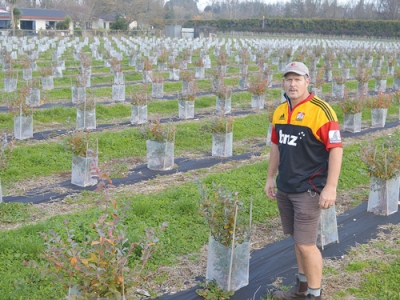 Dan Peach.
New Zealand's blueberry industry is celebrating record production this season.
The country's 50 blueberry growers have produced 1.37 million kg of blueberries for local and export markets.
Blueberry NZ chairman Dan Peach says production had been around 1 million kg during the past few seasons and is now steadily rising. "Sales of blueberries have increased dramatically in recent years with promotion and more awareness of the health benefits," he told Rural News.
Production has risen because of land conversions and farmers planting new varieties to boost yield.
Peach, who farms at Matangi, Waikato, also runs a packhouse packing fruit for 10 other growers. Most growers run small operations, selling at their gates.
A few producers account for most of the production. NZ Gourmet, Hawke's Bay, is the largest, growing 50% of the total crop. NZ Gourmet also grows and exports other crop.
Peach says blueberry farming is "a long term deal. "We don't have the same infrastructure as the apple, grape or kiwifruit sectors. From deciding to plant blueberries to getting an economic yield can take up to 10 years."
Blueberries NZ recently said 10m punnets of berries worth $30m were shipped in the year ended March 2016 – 40% more than the season before.
Demand is growing, especially in Asia-Pacific where a 'food-as-medicine' culture prevails. Asian markets have a voracious appetite for blueberries because of the wide range of health benefits they offer, Peach says.
BBNZ is working to open new markets in Asia-Pacific to allow its members to take advantage of the fruit's popularity.
"Few other products can take maximum advantage of the 'NZ Inc' brand in Asia-Pacific like blueberries can," Peach says. "We are uniquely placed with a counter-seasonal supply that enjoys the benefits of the clean, green, safe image NZ produce has in Asia."
Blueberries have the potential to become a major horticultural export, earning up to $150 million within the next three to five years.

New Zealand needs to make sure that it continues to focus on its own food security, according to HortNZ board member and blueberry grower Dermott Malley.
The fight for global customers by fruit producers and marketers is on.
Blueberries are likely to have a bumper season as the warmer El Niño weather pattern arrives in New Zealand ahead of peak blueberry season in mid-January.
A big December wet spell threw a spanner in the works for Canterbury berry growers during the vital pre-Christmas trade.



For the first time in a quarter of a century, Federated Farmers has something positive to say about the Labour Party’s climate change policy leading into a general election.
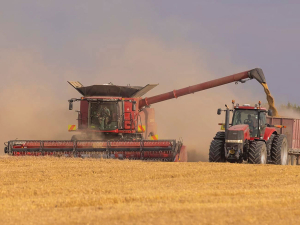
A warning for New Zealand seed and grain companies – be prepared for an exodus of farmers from the arable sector.
Now in its fourth year, the 2026 Fencing Industry Awards, formed part of the proceedings of the FCANZ Conference, held in Nelson during August.
DairyNZ deputy chair Cameron Henderson has been re-appointed unopposed for another term.
OPINION: The stats speak for themselves.
Farms across the upper North Island are trialling different pasture mixes as part of a research programme that aims to build greater resilience into farming systems.