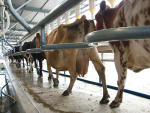
Why Now Is the Time to Plan Farm Succession, Findex Says
OPINION: Succession and long-term planning are perennial topics because it is perpetually sidelined on busy farms.




 increase font size

While dairy prices continue to slide, beef and lamb prices are firming.
According to ASB Bank's Farmshed economics report, while meat markets are healthy, there are signs of an improving wool markets too.
"Lamb prices recovered steadily over the season just gone, rising some 9% for the season as a whole," it says.
"While lamb markets are quiet for now, we expect lamb price increases kick back into gear as we get closer to Christmas. Most of the factors supporting prices remain in play.
"Beef prices also remain rock solid. And similarly, factors supporting beef prices are set to stay in place for the rest of the year and well into 2015. Meanwhile, wool prices are creeping higher, with improving Australian and US housing markets generating demand for carpets and thus for coarse wool."
However, the outlook for dairy looks weaker. Dairy prices continue to slide. Ten of the last 12 dairy auctions have now recorded overall price falls.
ASB says these falls emphasise how exceptional the season just gone really was for both dairy prices and in turn for dairy production.
"Now though, for dairy farmers it's getting quickly back to reality," it says.
"The dairy price falls have been more than we and others expected. Factoring in the recent falls, we have revised down our milk price forecast for the 2014-15 season by 80 cents to $6.20/kgMS.
"That said, if current trends continue, our milk price forecast could head lower. As such, the possibility of a sub-$6.00 milk price for the 2014-15 season is rising," the bank says.
OPINION: Succession and long-term planning are perennial topics because it is perpetually sidelined on busy farms.
Farms across the upper North Island are trialling different pasture mixes as part of a research programme that aims to build greater resilience into farming systems.
Election years are always a concerning time for farmers, according to DairyNZ chair Tracy Brown.
New Zealand wool is reaching new heights as air filtration companies move away from synthetic products to biodegradable alternatives.


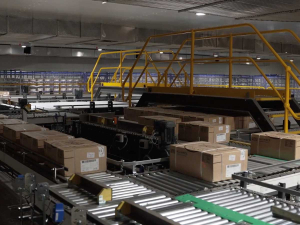
Alliance is calling for final applications for its 2027 Graduate Programme, with applications closing on Sunday 25 October.
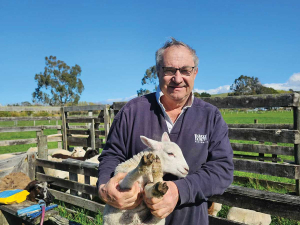
Decades piloting planes has ensured vet and farmer David Hayes is focused on safety. So, after a serious accident while welding on farm, he is sharing his experience so others can learn from it.
Canterbury milk processor, Synlait Milk has confirmed Leon Fung as its chief executive officer.
OPINION: Making it easier to collect rainwater and use it to grow crops and livestock is a no brainer.
As part of its Election 2026 coverage, Rural News asked political parties how they would help pull the arable sector out of the doldrums. Here's what they said:
Farmers are being encouraged to rethink how they manage waste on farm with the launch of ruralwastesorted.co.nz, a new website bringing together practical tips, real farmer experiences and resources.


OPINION: The same mainstream media muppets that brought you Jacindamania in 2017 have been flat out pimping for the Opportunities…
OPINION: Your old mate reckons the atrocious way farmers in the UK are treated by their lords and masters in…