
Feds Back National’s 19 Farming National Standards
National’s pledge to introduce 19 new national standards shows the party is serious about getting Wellington out of farming, Federated Farmers says.




 increase font size

There is a clear political mandate for reform of the Resource Management Act, says Federated Farmers.
Feds president Dr William Rolleston says vital reforms to the RMA have been stalled for want of support from National's partners in the last Parliament.
But National's victory in Saturday's general elections will change that; John Key's party secured 61 seats in the 120-seat Parliament. It also has the backing of United Future (1 seat), ACT (1) and possibly the Maori Party (2).
National put its plans to reform the RMA to the electorate and the electorate have comprehensively responded, says Rolleston.
"There is no ambiguity or room for conjecture on this.
"With major water reforms underway, via the National Policy Statement on Freshwater, we have three-years for these reforms to bear fruit. We also have three years to improve the information the public have to become informed by fact instead of fear.
"Some of the electoral majorities are staggering, especially in rural Canterbury, where communities clearly want to control their own destiny. In urban areas, National won the Party vote in liberal Wellington Central to blue collar electorates like Mt Roskill and Hutt South."
Rolleston says the electorate have again rejected Water Taxes and a Capital Gains Tax.
The electorate have also sent a message to political parties that New Zealand's best response to global climate change is to lead the world on carbon efficiency, instead of just blindly slashing production, he adds.
"Agriculture and environment were political footballs this election and it is clear the electorate did not buy the line that farmers are shirking their environmental responsibilities. Political parties must reassess policies that clearly do not chime with the electorate.
"We see the 2014 General Election is a vote for New Zealand to become a primary superpower, not only doubling our primary exports by 2025, but by building resilience in our economy through spring-boarding new technologies and services based on our biological strengths, and by adding value to our primary products.
"This is why we need to invest in, and enable, science and innovation - one thing Federated Farmers will work with the National-led Government on. Not to mention a land register to end the political circus around foreign ownership."
Federated Farmers is equally committed to working with Opposition parties in order to help them broaden their support base.
We need Opposition parties that farmers would again feel comfortable belonging to, he says.
"The electorate have spoken and farmers look forward to playing our part in a vibrant progressive New Zealand," Rolleston says.
National’s pledge to introduce 19 new national standards shows the party is serious about getting Wellington out of farming, Federated Farmers says.
Mobile phone coverage and reliability are deteriorating in rural areas, and farming families are bearing the cost, according to a Federated Farmers survey.
With a general election under five weeks away, Rural News is asking major political parties about their policies and positions on key issues facing the primary sector. We will run their responses to each question over the next four weeks. The ACT Party and the Greens didn't respond in time.
Central Otago District Council (CODC) has voted against a plan to spread treated sewage sludge from Cromwell and Alexandra on farmland near Lauder, a decision Federated Farmers says reflects strong opposition from rural residents.
Federated Farmers has called on Central Otago District Council (CODC) to drop or vote down a plan to truck sludge from Alexandra and Cromwell to farmland near Lauder, warning it would compound an "outrageous" situation created by a separate council's decision weeks earlier.


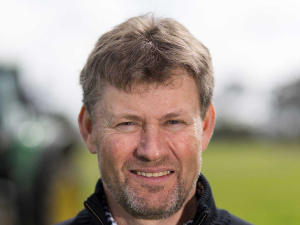
Mark Hooper has been appointed the new chair of NZPork, the industry organisation representing New Zealand pig farmers.

As the India-New Zealand free trade agreement enters into force, New Zealand’s apple industry has reaffirmed its commitment to the long-term development of India’s apple sector.
Fonterra shareholders can begin voting on Tuesday 20 October in the 2026 Board of Directors’ election, a Co-operative Council election in one Ward, and seven Annual Meeting resolutions.
National’s pledge to introduce 19 new national standards shows the party is serious about getting Wellington out of farming, Federated Farmers says.
The National Party’s policies to make it easier to grow fresh vegetables, secure reliable water and energy and simplify farm planning are practical changes that will give growers the confidence to invest, according to Horticulture New Zealand (HortNZ).
Fonterra Co-operative Group chief financial officer Andrew Murray has resigned to take up a role outside the dairy giant.



OPINION: The same mainstream media muppets that brought you Jacindamania in 2017 have been flat out pimping for the Opportunities…
OPINION: Your old mate reckons the atrocious way farmers in the UK are treated by their lords and masters in…




