Federated Farmers Welcomes ACT’s New Farming Policies
Federated Farmers has welcomed new rural policies released by ACT, saying they align closely with its own election priorities.




 increase font size
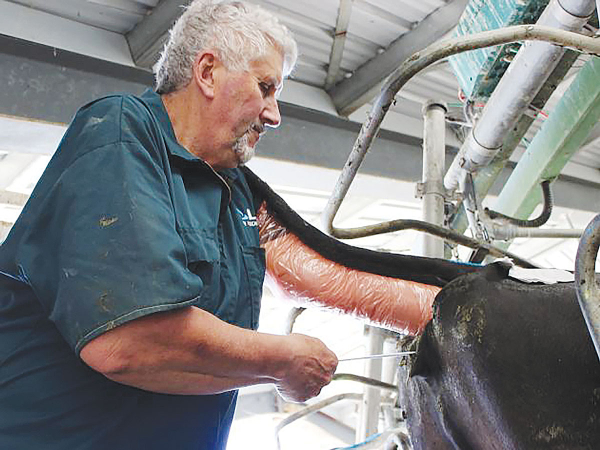 Federated Farmers dairy section chair Richard McIntyre says LIC has fallen short of its moral obligation to farmers.
Dairy farming leader Richard McIntyre claims LIC has fallen short of its moral obligation to farmers, who recently received bad sire semen from the herd improvement company.
McIntyre, Federated Farmers dairy section chair, says the listed farmer-owned co-op originally fulfilled their legal obligations as set out in their terms and conditions by refunding the cost of the semen.
“But in our view, they fell well short of their moral obligation to affected farmers,” he told Rural News. “We asked LIC to look at additional ways to mitigate the impact of this semen failure on farmers and they have done that.”
McIntyre, who milks cows in Manawatu, also received 26 bad straws but he says he was one of the “lucky” ones.
“My farm had 26 straws across both ‘failures’, so at the lower end of affected farmers. We run a split calving system where we dry off largely based on days to calving which means that this hasn’t had a huge impact of our farm,” he explains.
“I’m very concerned about the impact on the other 1100 farmers with systems that are more heavily reliant on mean calving and empty rate, particularly those who had a large percentage of their herd affected.”
LIC contacted affected farmers on October 26 about a semen quality issue that has affected some batches of fresh conventional Premier Sires straws – inseminated on farms on 17 - 19 October and 23 - 25 October. It offered a package with two categories – a product credit to affected farmers’ accounts for the affected straws used and, depending on the herd impact, a goodwill payment was also credited.
Last week, LIC chair Corrigan Sowman and chief executive David Chin faced farmer shareholders during a webinar. Farmers were told that the co-op had already paid out over $2 million to farmers.
 |
|---|
|
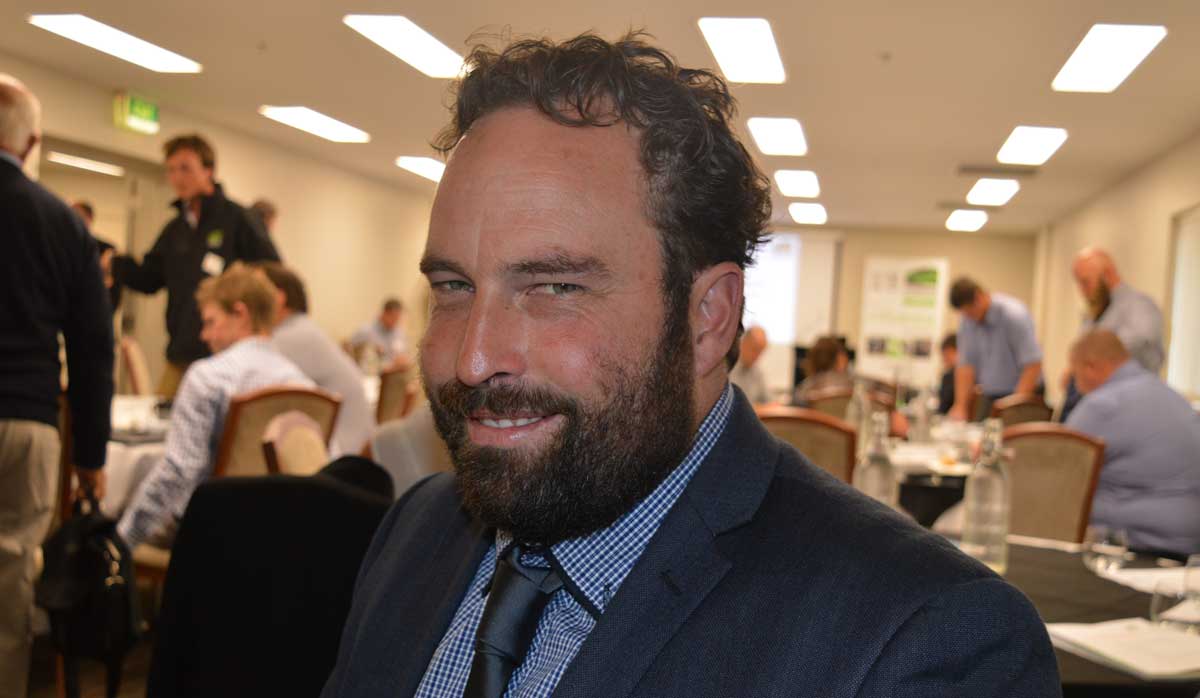
Federated Farmers dairy section chair Richard McIntyre. |
Chin apologised to farmers, adding that LIC had not lived up to the high standards expected by shareholders.
He says an independent internal investigation is underway to ascertain how two batches of bad semen were delivered to 1127 farms around the country - semen collected, processed and packed into straws and then sent to farms on October 15th and October 21st failed to pass quality control tests on day three.
Chin says LIC is still no closer to finding out how the batches were impacted.
“We are having a thorough investigation and looking at the processes,” he told farmers.
He says the report will be presented to the LIC board and its shareholder reference group and be used to help the co-op improve its operations.
Sowman, who only took over as LIC chair last month, told farmers that the board takes the incident very seriously.
“On behalf of the board, we are disappointed that we have let you down as farmers.”
LIC's Offer
Federated Farmers has welcomed new rural policies released by ACT, saying they align closely with its own election priorities.
Federated Farmers is backing Feilding High School’s call to keep Agriculture and Horticultural Science as a standalone subject in Year 11.
National’s pledge to introduce 19 new national standards shows the party is serious about getting Wellington out of farming, Federated Farmers says.
Mobile phone coverage and reliability are deteriorating in rural areas, and farming families are bearing the cost, according to a Federated Farmers survey.
Central Otago District Council (CODC) has voted against a plan to spread treated sewage sludge from Cromwell and Alexandra on farmland near Lauder, a decision Federated Farmers says reflects strong opposition from rural residents.


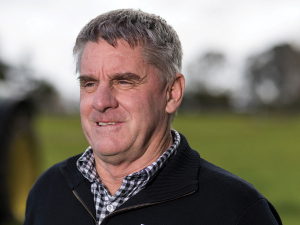
Federated Farmers has welcomed new rural policies released by ACT, saying they align closely with its own election priorities.
Rural Contractors NZ says proposed changes to land transport rules for agricultural vehicles are a welcome response by the Government to out of date regulations which have seen members hit with huge fines.
Alliance is calling for final applications for its 2027 Graduate Programme, with applications closing on Sunday 25 October.
Decades piloting planes has ensured vet and farmer David Hayes is focused on safety. So, after a serious accident while welding on farm, he is sharing his experience so others can learn from it.
Canterbury milk processor, Synlait Milk has confirmed Leon Fung as its chief executive officer.
OPINION: Making it easier to collect rainwater and use it to grow crops and livestock is a no brainer.

OPINION: The same mainstream media muppets that brought you Jacindamania in 2017 have been flat out pimping for the Opportunities…
OPINION: Your old mate reckons the atrocious way farmers in the UK are treated by their lords and masters in…




