
Pork Remains Among NZ's Most Affordable Meats: Stats NZ
As the cost-of-living crisis continues to put pressure on household grocery budgets, new figures show pork remains one of the most affordable fresh meat options for New Zealand families.




 increase font size
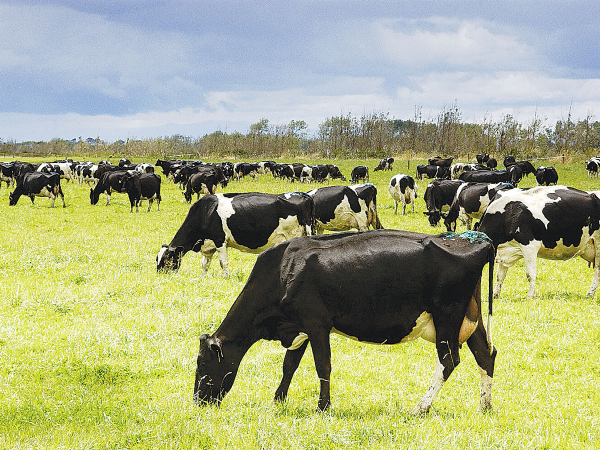 While greenhouse gas emissions are up, according to the latest statistics, agriculture, forestry and fishery saw a significant decrease in emissions.
As farmers and tractors took to New Zealand’s motorways, towns and cities to protest the pricing of agricultural emissions, Stats NZ released the country’s quarterly greenhouse gas emissions figures.
The figures, which track the March 2022 quarter (January 2022 – March 2022), revealed the seasonally adjusted greenhouse gas (GHG) emissions had increased 1.7% on the previous quarter.
Agriculture, forestry and fishing saw the largest decrease, however, in emissions, down 0.8%.
Meanwhile, Stats NZ says electricity generation and manufacturing were the main culprit for the rise.
“One of the main sources of fluctuation in New Zealand’s total emissions is the variation in the energy sources used for electricity generation,” says Stats NZ environmental-economic accounts manager Stephen Oakley.
“The increase and then decrease in renewable share of electricity generation over the last two quarters has continued to create volatility in New Zealand’s overall production of emissions,” Oakley says.
As the cost-of-living crisis continues to put pressure on household grocery budgets, new figures show pork remains one of the most affordable fresh meat options for New Zealand families.
OPINION: In the 1980s, concern was expressed in West Germany about the falling birth rate. Some simple analysis was performed by Professor Helmut Sies, physician and biochemist at Dusseldorf University. His letter ‘A new parameter for sex education’ was published in Nature in 1988:
OPINION: According to media reports, the eye-watering price of butter has prompted Finance Minister Nicola Willis to ask for a 'please explain' from her former employer Fonterra.
OPINION: The Financial Times, a major international newspaper, featured New Zealand on its front page at the beginning of June. It wasn't for the right reasons.
OPINION: It's not happening as fast as the greenies would like - they actually want all livestock other than Muscovy ducks and Tibetan Llamas to disappear entirely - but it is happening.



Alliance is calling for final applications for its 2027 Graduate Programme, with applications closing on Sunday 25 October.
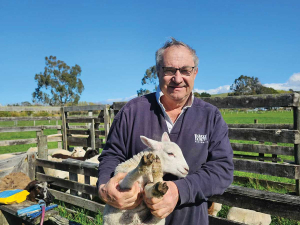
Decades piloting planes has ensured vet and farmer David Hayes is focused on safety. So, after a serious accident while welding on farm, he is sharing his experience so others can learn from it.
Canterbury milk processor, Synlait Milk has confirmed Leon Fung as its chief executive officer.
OPINION: Making it easier to collect rainwater and use it to grow crops and livestock is a no brainer.
As part of its Election 2026 coverage, Rural News asked political parties how they would help pull the arable sector out of the doldrums. Here's what they said:
Farmers are being encouraged to rethink how they manage waste on farm with the launch of ruralwastesorted.co.nz, a new website bringing together practical tips, real farmer experiences and resources.




OPINION: The same mainstream media muppets that brought you Jacindamania in 2017 have been flat out pimping for the Opportunities…
OPINION: Your old mate reckons the atrocious way farmers in the UK are treated by their lords and masters in…




