Maui Milk achieves grass-fed certification in NZ
Sheep milk processor Maui Milk has achieved grass-fed certification of milk supply against the AsureQuality Grass-Fed Scheme.




 increase font size
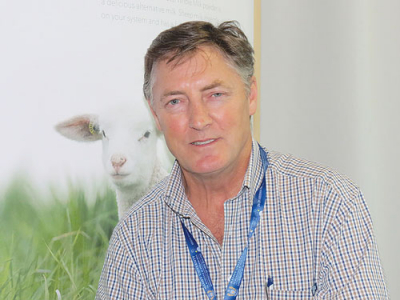 Maui Milk’s Peter Gatley.
The sheep milk industry has seen a breakthrough in getting semen from European milking sheep approved for entry to New Zealand.
Involved in this is Maui Milk, a large Maori-owned farm with 4000 ewes, partnering with Chinese businessmen to produce sheep milk products. The farm, Waituhi Kuratau, is located on the western shores of Lake Taupo.
General manager Peter Gatley says genetics hold the key to ramping up NZ sheep milk production, which is still relatively low by world standards.
Last year, Maui Milk bought 1000 straws of semen from Lacaune rams in the hope that MPI would grant approval, which it has now done, Gatley says. The straws have been stored in France pending import approval.
The Lacaune is a milking sheep breed, commonly located in southern France and regarded as among the world’s highest yielding milk sheep breeds. It is popular in the Roquefort area which is famous for sheep cheeses.
“The straws are frozen and in quarantine; they have semen from 45 different rams so they are genetically diverse,” Gatley told Rural News. “They have now all passed their disease tests, so the semen could be on a plane within the next couple of weeks.”
He says the semen will be put across the ‘F1 first cross’ -- a Coopworth East Friesian animal -- yielding a sheep half Lacaune, quarter East Friesian and quarter Coopworth.
“We have detailed plans to inseminate 4000 ewes onfarm during April and May, a big job because every one of those inseminations involves laproscopic surgery,” Gatley explains.
“It’s not simple AI like on a cow; it’s a big project. But we have that all nailed down and mapped day by day and provided the semen arrives safely it looks like we’ll have Lacaune genes on the ground in spring.”
Gatley says around Roquefort, where some 800,000 Lacaune sheep are located, there is a sizable industry base with lots of knowledge and technology Maui hopes to tap into.
Maui Milk plans to import a specially designed sheep milking rotary platform which will be the only one of its kind in NZ.
The purpose of importing the genetics is to show that Maui Milk can create a viable farm system others can see, Gatley says. The company will help others and provide knowledge to them on the basis that they will also share information with Maui. Information sharing is well recognised within the industry; big players do this regularly.
Despite the Lacaune sheep originating in a cheese making area of France, Maui Milk does not now intend going into cheese production, Gatley says.
“We have supplied milk to local cheese makers and we may continue to do that, but the bulk of our product is dried milk – a whole milk powder. Later on it could be a range of products in dried form. There could even be infant formula, but for now WMP is the bulk of what our milk is used for.”
Gatley hopes the new genetics will make for greater production and by yielding more milk will allow the company to produce larger batches and help reduce overall production costs.
Sheep milk processor Maui Milk has achieved grass-fed certification of milk supply against the AsureQuality Grass-Fed Scheme.

Sheep infant nutrition maker Blue River Dairy is hoping to use its success in China as a springboard into other markets in future.
Sheep milk processor Maui Milk is on track to record average ewe production of 500 litres by 2030, says outgoing chief executive Greg Hamill.
Sheep milk powder and products exporter Maui Milk is partnering with one of China’s biggest dairy players to boost its market presence.
Dairy sheep and goat farmers are being told to reduce milk supply as processors face a slump in global demand for their products.


The first major update to the Dairy Cattle Code of Welfare in more than a decade has been released, marking what DairyNZ describes as an important step in ensuring animal welfare standards continue to evolve alongside scientific evidence and on-farm realities.

Ravensdown shareholders have elected Jane Montgomery and Kate Acland to the Ravensdown Board for three-year terms, following a closely contested director election.
Federated Farmers says new legislation replacing the Resource Management Act will cut red tape, unlock investment and help grow New Zealand's export-led economy, after the Planning Bill and Natural Environment Bill passed their third reading in Parliament yesterday.
Leading figures from the major political parties will be questioned on their primary sector policies at the Rural Issues Debate at Mystery Creek Events Centre, Hamilton, on 30 September.
OPINION: Have a plan in place now!
Beef + Lamb New Zealand (B+LNZ) says it welcomes the passage of the Natural Environment Bill and Planning Bill, calling the bills a positive step for sheep and beef farmers.


OPINION: The same mainstream media muppets that brought you Jacindamania in 2017 have been flat out pimping for the Opportunities…
OPINION: Your old mate reckons the atrocious way farmers in the UK are treated by their lords and masters in…