Federated Farmers Urges Farmers to Vote on November 7
With less than a week to go before voters choose the next government, Federated Farmers has a simple message to its members - get out and vote.




 increase font size
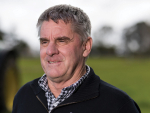
 Chris Allen, Federated Farmers’ water spokesman.
Farmers are unhappy with Greenpeace’s latest attempt to protest against intensive dairying.
Federated Farmers says a report released last week by the lobby group titled ‘Sick of too many cows’ is another “misguided attack” on the primary sector.
“This is Greenpeace doing a good job of what they do best -- plenty of headlines and hyperbole”, says Chris Allen, Federated Farmers’ water spokesman.
“Particularly disturbing is their accusation that irrigation and farming causes cancers and infectious diseases.”
Allen says the latest Greenpeace attack smacks of desperation, “and leaves little room for constructive dialogue with no concrete language throughout the report”.
The Federation also finds it ironic that the Havelock North water contamination outbreak is raised, yet it had nothing to do with dairy farming nor so-called industrial farming or irrigation.
“It’s unfortunate they have not researched basic facts about irrigation and proposed schemes. For example, the businesses signed up to the Ruataniwha scheme are horticultural enterprises, arable and sheep and beef farmers.
“There are no new dairy conversions among the 190 farmers signed up, and only one irrigator will expand an existing dairy farm by a mere 100ha.”
With less than a week to go before voters choose the next government, Federated Farmers has a simple message to its members - get out and vote.
Federated Farmers has welcomed new rural policies released by ACT, saying they align closely with its own election priorities.
A farmgate milk price of $10/kgMS this season is firming up as milk powder prices soar and the New Zealand dollar weakens.
Federated Farmers is backing Feilding High School’s call to keep Agriculture and Horticultural Science as a standalone subject in Year 11.
National’s pledge to introduce 19 new national standards shows the party is serious about getting Wellington out of farming, Federated Farmers says.
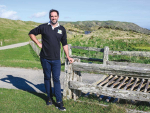


Will drones be the answer to tackling the problem of wasp and hornet nests high up in trees and other inaccessible places?
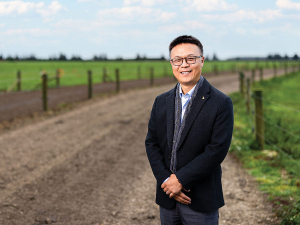
Canterbury milk processor Synlait has come through tough times and is now ready to scale up from a stable base, says its newly confirmed CEO Leon Fung.
NZPork says a ham made in New Zealand is not necessarily made from New Zealand pork.
Rural Contractors NZ says proposed changes to land transport rules for agricultural vehicles are a welcome response by the Government to out-of-date regulations which have seen members hit with huge fines.
With New Zealand’s greenhouse gas emissions in the spotlight, Auckland scientist Nathan Balasingham says there’s a better way to tackle the problem than shrinking cow numbers or fertiliser usage.
Massey University vice chancellor Pierre Venter says his institute is moving from a period of austerity into a growth phase, based on their new strategy.




OPINION: The same mainstream media muppets that brought you Jacindamania in 2017 have been flat out pimping for the Opportunities…
OPINION: Your old mate reckons the atrocious way farmers in the UK are treated by their lords and masters in…




