
NZ Food Safety Boss on Balancing Speed and Risk in Approvals
Striking a balance between meeting the needs of industry to speed up approval time for products but on the other hand ensuring that risks are properly assessed.




 increase font size
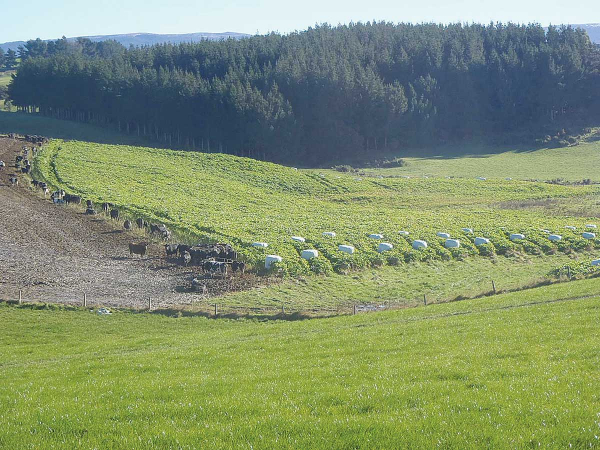 The 2020-21 compliance monitoring report, presented this month to Environment Southland summarised compliance monitoring, enforcement and technical teams’ activities.
Southland farmers are being praised for maintaining high environmental compliance during the 2020-21 monitoring year.
The 2020-21 compliance monitoring report, presented this month to Environment Southland summarised compliance monitoring, enforcement and technical teams’ activities.
Environment Southland general manager integrated catchment management Paul Hulse said that once again Covid restrictions led to significant disruption of the inspection programme, and therefore, inspection numbers.
“It has been another challenging year, however, the compliance team has managed the programme extremely well.”
There were 960 on-site and aerial dairy shed effluent discharge consent inspections completed during the 2020/21 season.
Of these, 747 were fully compliant, 200 were graded low risk or moderate non-compliance, while 13 were graded significant non-compliance – equating to about 1.3% significant non-compliant inspections.
The 2020-21 year saw a slight drop in the number of incidents reported to the compliance division on the previous year.
There were 888 reported incidents in 2020/2021 compared to 964 reported incidents in the 2019/2020 year.
“When a farm is graded as significantly non-compliant there is a range of follow-up actions available. Not all of these actions result in enforcement. Other actions can include re-inspection, diversion, letters of direction and warnings, infringement notices or abatement notices,” Hulse said.
The vast majority of consent holders across dairying, industry, territorial authorities and other organisations performed well in their environmental monitoring and reporting, he said.
Regulatory Committee chairman Neville Cook said it was pleasing to see the dairy industry with low significant non-compliance, but that the compliance monitoring report also reported on compliance relating to commercial enterprises.
Striking a balance between meeting the needs of industry to speed up approval time for products but on the other hand ensuring that risks are properly assessed.

For 50 years, Tasman's Mel Ewers has been helping the apple sector navigate through compliance issues and training.
Environment Southland is calling on residents to be vigilant and check their properties after a new Old Man's Beard site was discovered near Dipton.
Southland farmers staring down a May deadline to submit freshwater farm plans under current regional plan rules have been given an 18-month reprieve by the Government.
Southland farmers are being encouraged to get ahead of the winter grazing season by attending a practical field day in Pukerau next week.


Dairy processors are ready to further boost New Zealand’s export earnings but want the incoming government to match their ambition with good policy.
Massey University is best placed to solve the “problems” facing the dairy industry, says vice chancellor, Pierre Venter.
Synlait's longest serving employee – a man who joined the Canterbury-based milk processor even before it began processing milk – is now its newest executive.
A dairy industry leader believes eradicating the common and costly disease, Bovine Viral Diarrhoea (BVD) is within reach.
A farmgate milk price of $10/kgMS this season is firming up as milk powder prices soar and the New Zealand dollar weakens.
Federated Farmers has welcomed new rural policies released by ACT, saying they align closely with its own election priorities.

OPINION: The same mainstream media muppets that brought you Jacindamania in 2017 have been flat out pimping for the Opportunities…
OPINION: Your old mate reckons the atrocious way farmers in the UK are treated by their lords and masters in…




