
Massey VC Says University Best Placed to Support Dairy
Massey University is best placed to solve the “problems” facing the dairy industry, says vice chancellor, Pierre Venter.




 increase font size

A SOFTENING in dairy farmer sentiment and rising interest rates have led overall New Zealand rural confidence to a significant slide in the past quarter.
But beef and sheep farmers have bucked the trend, with their confidence levels rising to three-year highs.
The latest Rabobank Rural Confidence Survey – completed in June – has shown a sizeable dampening in overall farmer confidence, with just 25% of the country's primary producers now having a positive outlook on the performance of the agricultural economy in the next 12 months. This was down from 42% with that expectation in the previous survey.
A total of 24% expected conditions to worsen (climbing from 13% with that view previously), while 50% expected the agricultural economy to remain the same in the coming year.
Much of the softening in confidence was driven by dairy farmers, who reported a significant decline in sentiment, primarily because of falling commodity prices – a reason given by 63% of dairy farmers who had a pessimistic outlook.
Dairy is now the least confident of all the New Zealand agricultural sectors in terms of future outlook, reflecting the reduction in milk payout expectations for the 2014-15 season compared with the record high prices from 2013-14.
Sheep and beef farmer sentiment, on the other hand, recorded a healthy surge, with 57% of farmers in this sector reporting a positive outlook (up for 37% in the previous quarter). Just 7% expected conditions to worsen in the next 12 months, down from 10% previously.
Rabobank New Zealand CEO Ben Russell says the results reflected the strengthening being seen in sheep and beef prices, on the back of lower supply due to high slaughter levels in the past 12 to 18 months.
Russell says the slump in dairy farmer sentiment had been driven by lower dairy commodity prices, as well as the strengthening New Zealand/US dollar exchange rate.
Overall, New Zealand farmers were also concerned about rising interest rates – 22% who had a negative outlook on the 12 months ahead nominated interest rates as reason for their pessimism.
Russell says sheep and beef farmers have the highest expectations of their own businesses since July 2011. "And it is the first time they have been ahead of dairy farmers on this measure since December 2011," he said.
Interestingly, New Zealand farmers' investment intentions remain unchanged since last quarter with 93% of farmers intending to increase or maintain the level of investment in their farm business.
Russell says while the measure was stable, the sector composition was different. "Sheep and beef farmers have increased their investment intentions, while dairy farmers have lowered their expectations in this regard," he says.
Massey University is best placed to solve the “problems” facing the dairy industry, says vice chancellor, Pierre Venter.
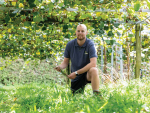
Twenty-eight emerging leaders from across the horticulture sector spent two days last month learning valuable skills and connecting with industry experts.
A 'tsunami' of milk from key exporting countries is winding down and this may be good news for New Zealand dairy farmers.
Will the good times last? That's one of the key issues to come out of the latest Federated Farmers confidence survey.
OPINION: Succession and long-term planning are perennial topics because it is perpetually sidelined on busy farms.


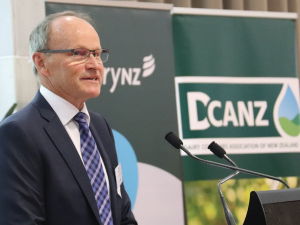
Dairy processors are ready to further boost New Zealand’s export earnings but want the incoming government to match their ambition with good policy.
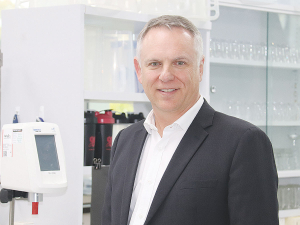
Massey University is best placed to solve the “problems” facing the dairy industry, says vice chancellor, Pierre Venter.
Synlait's longest serving employee – a man who joined the Canterbury-based milk processor even before it began processing milk – is now its newest executive.
A dairy industry leader believes eradicating the common and costly disease, Bovine Viral Diarrhoea (BVD) is within reach.
A farmgate milk price of $10/kgMS this season is firming up as milk powder prices soar and the New Zealand dollar weakens.
Federated Farmers has welcomed new rural policies released by ACT, saying they align closely with its own election priorities.





OPINION: The same mainstream media muppets that brought you Jacindamania in 2017 have been flat out pimping for the Opportunities…
OPINION: Your old mate reckons the atrocious way farmers in the UK are treated by their lords and masters in…




