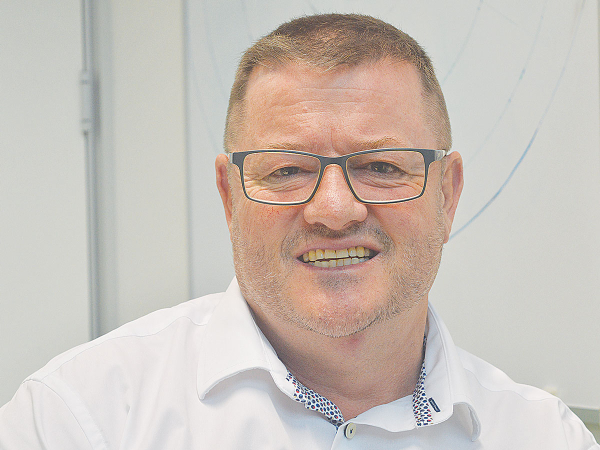
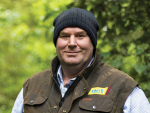
DairyNZ's new chief executive Campbell Parker says the dairy sector should take lessons from the stalled primary sector climate action partnership He Waka Eke Noa (HWEN) and move forward.
Parker, who took up his role this month, believes there is no need to start from scratch.
HWEN was a collaboration between the agriculture sector organisations, the Federation of Maori Authoritie, and the outgoing Government to set up a framework by 2025, allowing farmers to measure, manage and reduce on-farm emissions and include an appropriate pricing mechanism.
However, the process stalled and no agreement was reached before the end of this month's general election.
The incoming National-led Government has signalled working more closely with farmers on emissions pricing and mitigation.
Parker told Rural News that a lot of really good work has gone into the HWEN process and he believes the intent was good.
"There was good alignment with industry and trying to shape with Government what the ouctome should be," he says. "Unfortunately, it stalled for a period. Then there was late engagement around it and now it's sitting in limbo.
"I think what's really important is that we take the learnings from that process and move forward: we don't want to start from scratch."
Parker says from his early observation at DairyNZ, many people put a lot of effort into HWEN to try and get the engagement right.
However, farmers - both dairy and sheep and beef - have expressed opposition to the outgoing Government's proposal around the pricing mechanism and entry into the NZ Emissions Trading Scheme.
Parker says farmers are looking for more clarity "around what the guardrails are and the timeframes and the mechanisms." He expects DairyNZ and other industry-good bodies will continue to work with the incoming government on emissions pricing.
With the formation of the new government still being worked out, farming groups are preparing to engage with whoever will hold the key agriculture, climate change and environment portfolios.
With the formation of the new government still being worked out, farming groups are preparing to engage with whoever will hold the key agriculture, climate change and environment portfolios.
"We are already working on a plan on how we engage with the government on important issues," says Parker.