
NZ Beef’s US Opportunity and the Dairy Beef Initiative
Good medium to long term prospects for NZ beef, especially in the US, has heighted the focus on various initiatives to capitalise on this situation.




 increase font size
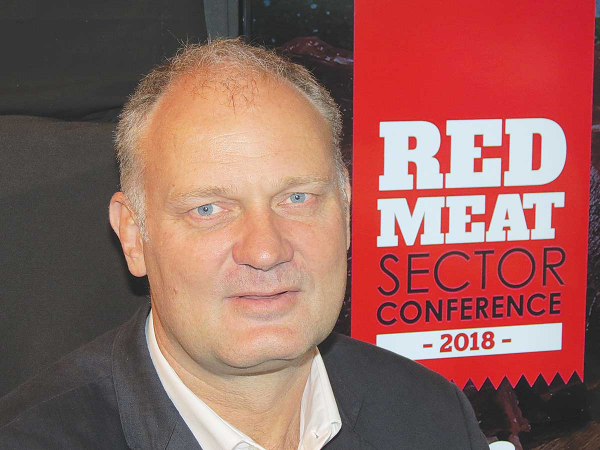 SFF chief executive Simon Limmer says current labour shortages mean that the company's processing plants will not be able to operate at full capacity this season.
A critical lack of workers in New Zealand is pushing the meat industry to plead with the Government to urgently allow in more overseas staff.
Major meat processor and exporter Silver Fern Farms says it's one of the most challenging years to date for accessing skilled labour. It says that the company's plants are not fully manned and warns that livestock may not be able to be killed - especially if it gets dry - risking hard-fought international markets and valuable export revenue for the country.
"We are presently about 550 people short across our processing network. We have a number of initiatives underway to help address this, including raising our minimum productive rate by 10%," SFF chief executive Simon Limmer told Rural News.
"However, we are constrained by the historic low unemployment rate here and the reality is that bringing in overseas workers is going to need to be part of the solution. In particular, we've been asking the Government to allow us to bring in AIP workers from the Pacific Islands. We've had this successful arrangement for 12 years, and it has increased production levels here as well as providing these workers and their family excellent earnings."
Limmer says current labour shortages mean that SFF's chains will not be able to operate at full capacity this season, and in some instances the company will need to prioritise throughput versus value capture.
"Shortages are already impacting South Island lamb processing with wait times around 10-15% more than last season," he says.
"We can be thankful that feed covers have been favourable to date this season, with this additional feed on farm helping to alleviate the pressure of any processing delays for farmers."
However, Limmer warns that the recent hot weather across the country is quickly undoing these favourable feed conditions and pressure to move animals off farm is growing.
"The kill profile is late this season and any significant dry period from this point on, coupled with labour-related capacity reductions, will create livestock pressure on farm."
Alliance Group's general manager of manufacturing Willie Wiese told Rural News that NZ's meat processing and exporting sector has a chronic labour shortage and this has been exacerbated by the Covid-19 pandemic.
"Without sufficient labour, we cannot run our plants at the desired capacity," he says. "The border closure, as well as the limited managed isolation spots, have prevented us from employing seasonal workers from overseas to help make up the shortfall in numbers we can recruit locally."
Wiese says Alliance Group is currently between 200-300 workers short during what is an extremely busy processing period, in particular for the Easter chilled programme for the UK and Europe.
"Importantly, we require additional halal butchers. Over 90% of animals are processed in the halal manner because that provides f greater flexibility to send different parts of the same carcass to various markets.That means fewer opportunities for hardworking Kiwis and fewer value-add products going to our markets."
Wiese says Alliance is currently providing priority processing to shareholders and encouraging suppliers who aren't shareholders to become shareholders.
Limmer says while global demand for red meat is generating healthy farmgate pricing at present, there are medium-to-long term risks from the current worker shortage.
"Building valuable relationships with customers takes time and is underlined by consistently delivering on a commitment to supply product to customer specifications. These relationships are hard won but easily lost when customers have many global choices for supply, and when we don't have the labour capacity to enable us to deliver to customers' needs and return greater value to farmers."
Limmer says Halal processing in particular is an important part of SFF's business.
"It gives us the optionality to match cuts to customer needs worldwide. As this is ultimately a religious consideration, it's not something you can simply upskill other workers to undertake."
No Jab, No Job?
Meanwhile, the meat industry is also currently working through the ramifications of mandating Covid-19 vaccinations for its workforce.
A SFF spokesman told Rural News that the company is consulting with its workforce on the issue, but as yet no decision had been made.
Alliance Group says it too is yet to make a final decision on mandatory vaccinations for staff. Group communications manager Renee Walker told Rural News that the health and wellbeing of its people is paramount to the co-operative.
"Like other processors, Alliance Group is implementing protocols, which define a strict set of rules and requirements to ensure the sector's continuing operations do not contribute to the spread of Covid-19," she says.
"Currently, all visitors to Alliance Group's premises and staff travelling between sites must be fully vaccinated."
Good medium to long term prospects for NZ beef, especially in the US, has heighted the focus on various initiatives to capitalise on this situation.
As dairy farmers lock in plans for the upcoming mating season, a partnership between Fonterra and Silver Fern Farms has been formed with the aim of making it simpler to create additional value from calves not entering the replacement herd.
Applications for Silver Fern Farms Co-operative's next board-appointed farmer director are open.
Silver Fern Farms has tackled the ongoing war-induced shipping challenges to mideast markets by airlifting 90 tonnes of chilled New Zealand lamb and beef to the United Arab Emirates.
Silver Fern Farms has successfully produced and delivered 90 tonnes of premium chilled New Zealand lamb and beef to the United Arab Emirates via airfreight.


Mark Hooper has been appointed the new chair of NZPork, the industry organisation representing New Zealand pig farmers.

As the India-New Zealand free trade agreement enters into force, New Zealand’s apple industry has reaffirmed its commitment to the long-term development of India’s apple sector.
Fonterra shareholders can begin voting on Tuesday 20 October in the 2026 Board of Directors’ election, a Co-operative Council election in one Ward, and seven Annual Meeting resolutions.
National’s pledge to introduce 19 new national standards shows the party is serious about getting Wellington out of farming, Federated Farmers says.
The National Party’s policies to make it easier to grow fresh vegetables, secure reliable water and energy and simplify farm planning are practical changes that will give growers the confidence to invest, according to Horticulture New Zealand (HortNZ).
Fonterra Co-operative Group chief financial officer Andrew Murray has resigned to take up a role outside the dairy giant.




OPINION: The same mainstream media muppets that brought you Jacindamania in 2017 have been flat out pimping for the Opportunities…
OPINION: Your old mate reckons the atrocious way farmers in the UK are treated by their lords and masters in…




