Friday, 03 February 2023 09:55

M. bovis cases fall

Written by  Staff Reporters
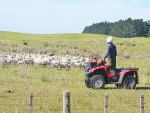
The current number of confirmed M. bovis properties is five. The current number of confirmed M. bovis properties is five.

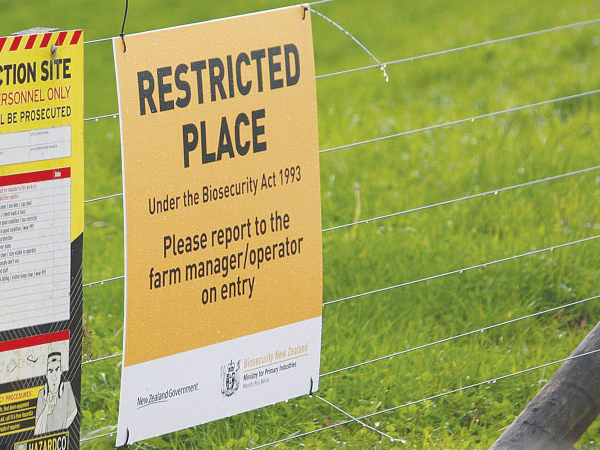
The Mycoplasma bovis Programme claims to be making good progress towards the eradication of the disease from New Zealand.

The programme was set up in May 2018 in reaction to an outbreak of M. bovis and is jointly funded by the Government, DairyNZ and Beef+Lamb NZ.

All properties in the high-risk area in Wakanui, Mid Canterbury, which is under a Controlled Area Notice (CAN), have now been cleared of cattle. Testing will be underway shortly on the properties in the surrounding area with the CAN on track to be lifted in mid-March.

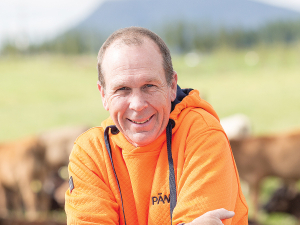
The Ministry for Primary Industries (MPI) says the number of active confirmed properties has decreased. M. bovis programme director Simon Andrew says the current number of confirmed properties is five, compared to 40 at the height of the outbreak. He adds that the programme expects all of the confirmed properties to be cleared within the first half of 2023.

“While this progress is great news for farmers, there is still work to be done before New Zealand can transition to the next stage of the eradication effort, which will primarily focus on bulk tank milk, and beef and drystock cattle surveillance,” he says.

“Over time, this will provide us with the necessary information for us to be confident the country is absent of the disease. It is expected that more infected properties may be identified before this shift.”

Andrew says the programme continues to find instances of poor NAIT practices, which he says is disappointing.

“Good NAIT records mean we can trace animal movements a lot faster, which in turn reduces the residual risk of infection and protects what we’ve all achieved to date.”


More like this

BVD Control in Dairy Herds: How to Find & Remove PI Animals

Bovine Viral Diarrhoea (BVD) is estimated to cost New Zealand's dairy and beef industries more than $150 million every year, yet many of the tools needed to control it are already well understood. After more than 25 years in veterinary practice, Andrew Weir, animal health technical specialist at LIC, has seen firsthand the impact BVD can have on herd performance. We asked him about the role of persistently infected (PI) animals and the practical steps farmers can take to reduce their risk.

Transition Period: The Make-or-Break Window for Dairy Cows

The transition period is the make-or-break window for your entire season. If this period is poorly managed, you don't just see a few downer cows, you see a downward spiral that affects the cow's health, production and reproduction long into the season.

Managing Light Ewes at Scanning: Wormwise Advice

Scanning is a great time to start identifying and managing groups of ewes based on feeding priorities. Wormwise's Mary Bowron discusses some of the possible reasons ewes lose condition in early winter - and it's not necessarily internal parasites.

Scour Prevention in Calves

Healthy, well-grown calves are the building blocks of any future dairy herd. Giving them the best start to life is crucial, and the primary strategy to reduce the burden of disease caused by rotavirus infection is vaccination.

Featured

National

Machinery & Products


» Latest Print Issues Online

The Hound

Great Idea!

OPINION: Central Hawke's Bay farmer Mark Warren recently told the Hawke's Bay Times it's time for a conversation about allowing…

No Choice

OPINION: A nation that relies as heavily as NZ does on functional global shipping lanes will have to do its…

» Connect with Rural News

» eNewsletter

Subscribe to our weekly newsletter