Automatic jetting races (AJRs) were developed for rapid application of flystrike preventative treatments to the back and breech of sheep. To be effective, the sheep must be wet to skin level along the backline, over the rump and around the crutch area.
The terms pour-on and spray-on are essentially interchangeable – both are applied by hand-held manually operated apparatus delivering 10-50mL per dose. Only the treated area will be protected, so target the back and crutch regions. Treatments are best applied about four weeks after shearing.
Hand jetting involves the use of a specially designed hand wand, attached to a tractor tank/ pump with the wand combed individually through each animal’s fleece. Treatments target the most flystrike prone areas – i.e. along the backline, from the back of the neck to the rump, and around the breech.
Shower and plunge dipping are saturation methods of dipping. Shower dipping involves diluting and pumping dip wash from a sump through an overhead boom and bottom spray nozzle, while plunge dipping is essentially a large capacity bath filled with dip wash. Saturation dipping is arduous and faulty technique is usually to blame for poor results.
The best and most cost-effective approach to preventing flystrike is to use a combination of strategies that keep sheep as unattractive to flies as possible. This is called Integrated Pest Management (IPM).
IPM aims to keep pressure on a pest throughout all stages of its lifecycle and involves both chemical and non-chemical tools.
A preventative approach is strongly recommended (i.e. treating at-risk classes of stock with an effective product just before the annual risk period
Moisture is the critical parameter for strikes to develop. For eggs to hatch and larvae to establish, they need at least 24 hours of moist conditions in the fleece.
Effective internal parasite control and use of specialist high tannin crops or clean pasture result in less dags, which in turn, makes sheep less attractive to flies. Footrot, pizzle rot, urine stain, blood, fleece rot and lumpy wool are also major fly attractants that provide moist conditions in the fleece.
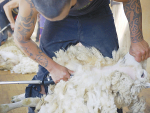
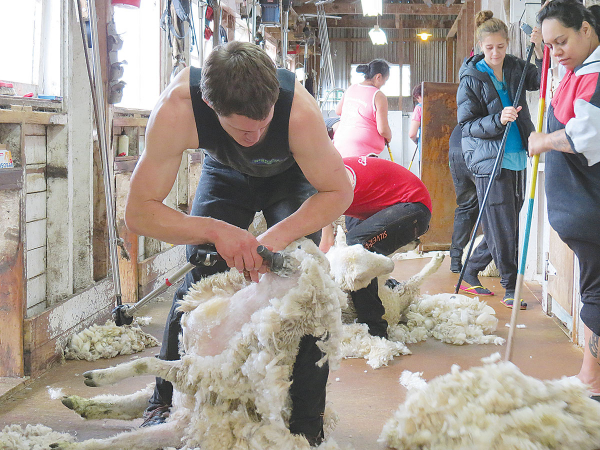
Shearing and crutching are partially effective flystrike preventatives, because they reduce fleece moisture and contaminants. Tails which are either too short or too long increase the risk of flystrike.
Dead stock carcasses of all types will support a maggot population. Because strike flies normally only attack a carcasses in the three days after death, these should be buried, put down an offal pit, or burned as soon as they are discovered.
Increased resistance to body strike and breech strike can be gained by selecting fine wool breeds for resistance to fleece rot and for less skin wrinkle. Cull sheep that get flystrike. Sheep with a naturally bare breech should be considered in breeding programmes. B+LNZ Genetics has incorporated DagScore into its ram selection tools.
Anticipation is the key to good flystrike management. Adopt a preventative rather than a reactive approach. Monitor fly traps, either purchased ready-made or home-made are an excellent way to predict the onset of blowfly activity.
• Information gleaned from the Beef+LambNZ factsheet on flystrike