Beef + Lamb New Zealand (B+LNZ) has launched a powerful new tool to help commercial beef farmers select the best bulls for their farm businesses.
The launch of nProve Beef dominated the recent Beef Breeder Forum 2025 in Christchurch with speakers outlining the development of the tool and the new breeding indexes it depends on.
Hands-on workshops showed farmers how to use the online interface.
nProve Beef is described as a key component of the B+LNZ-funded Informing New Zealand Beef (INZB) programme.
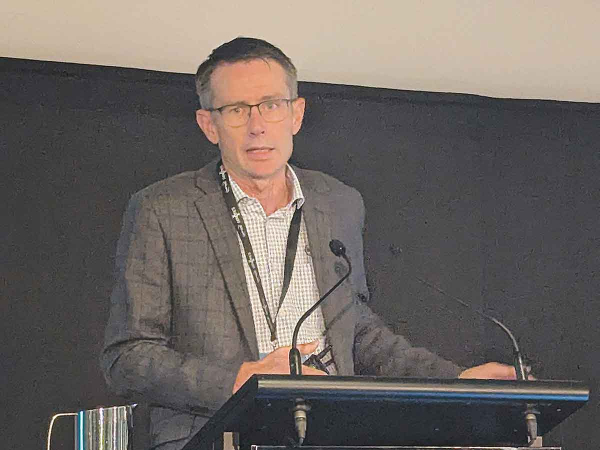
Dan Brier, B+LNZ's general manager farming excellence, says the tool has been built in collaboration with commercial farmers for use by commercial farmers.
"nProve has been designed to enable farmers to quickly and easily refine their bull selection based on their specific needs.
"By using simple sliders and filters, farmers can customise what they are looking for in their bull team. With the click of a button, nProve generates a tailored list of stud breeders offering bulls that best match their breeding objectives.
"The launch is timed with bull buying season approaching, ensuring farmers can make informed decisions that will deliver better productivity, efficiency, and profitability for their businesses."
The tool is essentially a front-end to a database of bulls available to buy, based on the catalogues supplied by the various breed societies.
Fundamental to its worth is the development of New Zealand-designed beef breeding indexes which assign an economic value to key genetic traits.
The Maternal (NZ$Maternal), Terminal (NZ$Terminal), and Beef-on-Dairy (NZ$BeefxDairy) indexes help farmers select bulls that align with their specific breeding objectives, whether they are breeding replacements, finishing cattle, or supplying beef genetics to the dairy industry.
Brier said it had been a collaborative effort with farmers, Angus NZ, NZ Herefords, Simmental NZ, the NZ Beef Shorthorn Association, Performance Beef Breeders and AbacusBio.
With almost all the major breed societies on board, the tool is already believed to cover around 75% of the beef bull market. That will rise to about 90% with the expected inclusion of the Australian-affiliated AngusPRO association.
Brier said the tool was similar to the existing nProve for sheep, and the user data for that showed the worth of the model.
The sheep version had 4,000 users in the last 12 months, in 17,000 separate sessions, which showed a lot of “repeat customers,” said Brier.
They were also averaging seven minutes per visit.
“So, people aren’t just dropping in and saying ‘that’s a waste of my time’ and dropping out. People are going back and getting real value from it.”
Brier said tools were still being developed, such as through the low-methane sheep program, which would allow farmers to track genetics across the industry or within their farm.
“That’s going to be valuable for people who want to prove to their customers or whatever that they’ve got low methane credentials on their flock.
“But also, this is the same for any trait. So, as soon as we’ve done the methane, if we choose to, we’ll be able to roll it over to meat quality or facial eczema, or anything else.”
The beef tool is not intended to compare animals across different breeds but Brier said they were working on a multibreed capability.
“Commercial farmers, when we survey them, this comes up that they want us to do this. So we’re still working on a fair and cost-effective way to achieve it.”