The Hawke’s Bay and Tairawhiti horticulture industries say they urgently need more Government direction and support if they are to recover to pre-cyclone levels of growth within the next decade.
Over the weekend, the Government announced $100 million in flood protection funding and additional support for rural communities.
“Our rural communities are not only the backbone of our economy, but they’re also a support network in times of crisis,” Rural Communities Kieran McAnulty says.
“We saw the strength of our rural communities during the response to Cyclone Gabrielle with people going above and beyond to check on their neighbours, using whatever they could to keep each other safe,” he says.
$35.4 million will go towards supporting the safety of farmers and growers and stock in cyclone-damaged areas through the scaling up of on-farm technical, scientific, and financial advice.
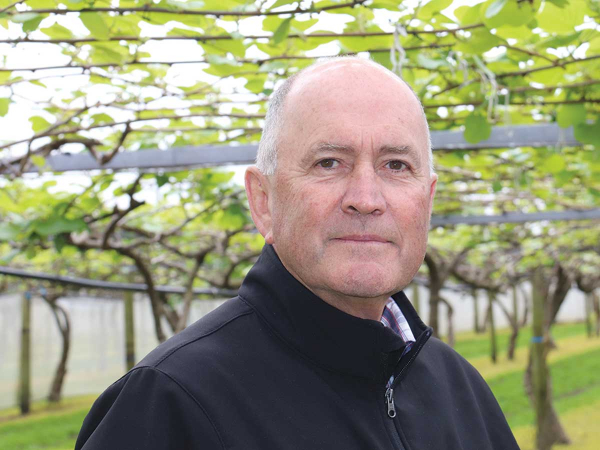
HortNZ president Barry O’Neil says the organisation applauds the investment from the Government.
“However, Hawke’s Bay and Tairawhiti fruit and vegetable growers urgently need more Government direction and support… if the industry is to fully recover,” O’Neil says.
O’Neil says that while HortNZ is encouraged by statements from the Government, work with communities and industry needs to happen as soon as possible.
“If the recovery doesn’t speed up, we will lose more businesses from our industry – businesses that pump upwards of a billion dollars year into the Hawke’s Bay and Tairawhiti economies,” he says.
O’Neil says it is not as if the Government is alone in spending heavily on the recovery.
“Growers have invested millions in the recovery too, so they do not lose uninsurable biological assets like trees and vines, as well as talented and committed staff,” he says.
“What growers need now is more direction, for example, on land use, and alternative funding options if the horticulture industry is to get back to pre-cyclone and Covid growth levels, and not lose what it has built up over decades.
“Our industry’s focus is on the long-term. We do not want to see the Hawke’s Bay and Tairawhiti horticulture industries needlessly lose their competitive advantage as that will cost the regions and the country billions in lost jobs and export revenue.”